Liquid Cooling System Flowmeter Technology Comparison
1. Overview of Flowmeter Technologies in Liquid Cooling Systems
With the explosive growth of AI computing power, rack power density in data centers has exceeded 20 kW, 30 kW, and even higher. Liquid cooling has become the key solution for efficient heat dissipation in high-density data centers. Flow measurement, as a core monitoring parameter in liquid cooling systems, directly impacts system safety and energy efficiency management.
Common flowmeter types used in liquid cooling systems include electromagnetic flowmeters, vortex flowmeters, turbine flowmeters, rotameters, Coriolis mass flowmeters, thermal mass flowmeters, and ultrasonic flowmeters. Each type operates on different measurement principles and exhibits distinct advantages and disadvantages in liquid cooling applications.
2. Comparative Analysis of Flowmeters in Liquid Cooling Systems
2.1 Electromagnetic Flowmeters
|
Evaluation Dimension
|
Advantages
|
Disadvantages
|
|
Measurement Principle
|
Based on electromagnetic induction, using Faraday’s law to measure conductive liquid flow
|
—
|
|
Suitability for Liquid Cooling
|
• No moving parts, low maintenance
• No pressure loss
• High accuracy (±0.5%)
|
• Only measures conductive liquids; cannot measure non-conductive fluids such as electronic fluorinated liquids
• Limited performance with deionized water (low conductivity)
• Not suitable for liquids with high bubble content
|
|
Installation & Maintenance
|
• Wide range of pipe sizes available
• Suitable for corrosive fluids
|
• Requires full pipe installation and straight pipe sections
• Relatively high cost
|
2.2 Vortex Flowmeters
|
Evaluation Dimension
|
Advantages
|
Disadvantages
|
|
Measurement Principle
|
Based on the Karman vortex street principle, measuring flow by detecting vortex frequency
|
—
|
|
Suitability for Liquid Cooling
|
• Simple and robust structure with no moving parts
• Suitable for liquids, gases, and steam
• Pulse frequency output, easy for digital integration
|
• Not suitable for low Reynolds number (low flow velocity) applications
• Requires long straight pipe sections (10D upstream, 5D downstream)
• Sensitive to vibration and has a lower meter coefficient
• Limited experience in pulsating or multiphase flows
|
|
Installation & Maintenance
|
• Low pressure loss
• Wide turndown ratio
|
• Accuracy decreases in small pipe diameters
• Sensitive to pipeline vibration
|
2.3 Turbine Flowmeters
|
Evaluation Dimension
|
Advantages
|
Disadvantages
|
|
Measurement Principle
|
Measures flow based on the rotation speed of turbine blades driven by the fluid
|
—
|
|
Suitability for Liquid Cooling
|
• High accuracy (up to ±0.2%) with excellent repeatability
• No zero drift and strong anti-interference capability
• Wide turndown ratio
• Compact structure
|
• Contains moving parts (turbine blades) that are prone to wear
• Cannot maintain calibration characteristics over long periods
• Strongly affected by fluid properties (viscosity, density)
• Not suitable for fluids containing solid particles or high-viscosity coolants
• Requires regular maintenance and cleaning
|
|
Installation & Maintenance
|
• Relatively low manufacturing cost
|
• Requires a filter to prevent damage from impurities
• Moving parts need periodic replacement<br>• Installation orientation requirements
|
2.4 Rotameters (Variable Area Flowmeters)
|
Evaluation Dimension
|
Advantages
|
Disadvantages
|
|
Measurement Principle
|
Based on the principle of a float rising and falling in a tapered tube according to flow rate
|
—
|
|
Suitability for Liquid Cooling
|
• Simple structure and easy to use
• Low pressure loss
• Suitable for small pipe diameters and low flow rates
• Intuitive visual reading
|
• Low pressure resistance; glass tube poses breakage risk
• Only suitable for low flow measurement
• Low accuracy (typically ±2% to ±5%)
• Difficult to transmit remote signals
• Sensitive to installation orientation (must be installed vertically)
|
|
Installation & Maintenance
|
• Low cost
• No external power required (mechanical type)
|
• Must be installed vertically
• Float may get stuck
• Not suitable for automated monitoring systems
|
2.5 Coriolis Mass Flowmeters
|
Evaluation Dimension
|
Advantages
|
Disadvantages
|
|
Measurement Principle
|
Based on the Coriolis force principle, directly measuring mass flow
|
—
|
|
Suitability for Liquid Cooling
|
• Highest accuracy (up to ±0.2%)
• Direct mass flow measurement, unaffected by temperature, pressure, viscosity, or density
• No obstructions or moving parts inside the pipe
• Simultaneous density measurement
• No straight pipe section required
|
• Expensive (3–5 times the cost of other flowmeters)
• Limited pipe size range (maximum DN150)
• Sensitive to vibration, not suitable for vibrating environments
• Cannot measure low-density media or low-pressure gases
• Relatively high pressure loss
|
|
Installation & Maintenance
|
• Easy to clean
• Simple routine maintenance
|
• Must avoid vibration sources
• Strict installation orientation requirements
• High maintenance demands over time
|
2.6 Thermal Mass Flowmeters
|
Evaluation Dimension
|
Advantages
|
Disadvantages
|
|
Measurement Principle
|
Measures flow based on heat exchange between the fluid and a heat source using constant temperature difference or constant power methods
|
—
|
|
Suitability for Liquid Cooling
|
• Direct mass flow measurement
• High sensitivity at low flow velocities
• Zero pressure loss
• Not prone to clogging
|
• Primarily suitable for gas measurement; limited application for liquids
• Easily affected by fluid composition
• Limited temperature tolerance
• Sensitive to thermal properties of the coolant
• Slow response time
|
|
Installation & Maintenance
|
• Simple measurement method
• Low restriction on fluid velocity
|
• Requires regular calibration
• Sensors may be affected by contamination
• Not suitable for mainstream liquid cooling applications
|
3. XY-TEK Ultrasonic Flowmeters Advantages
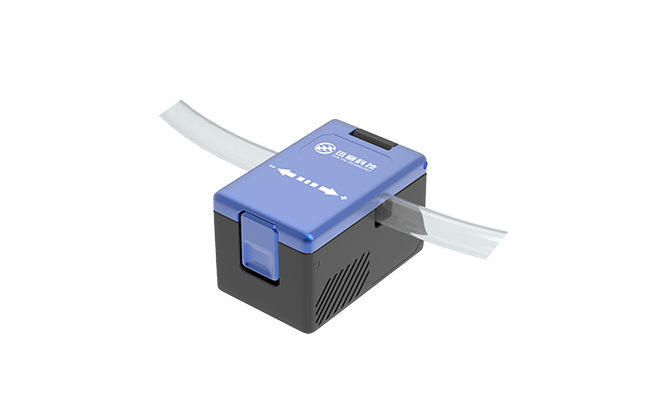
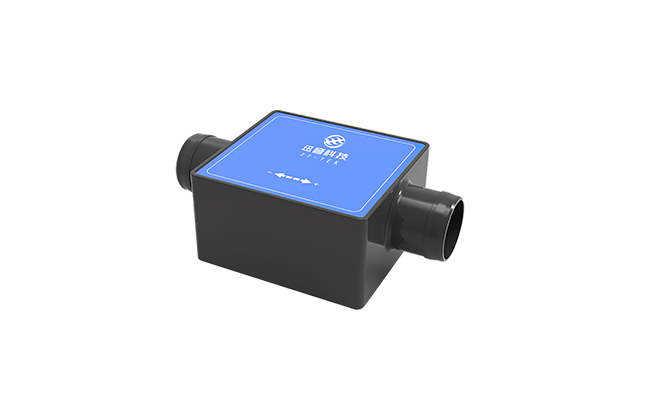
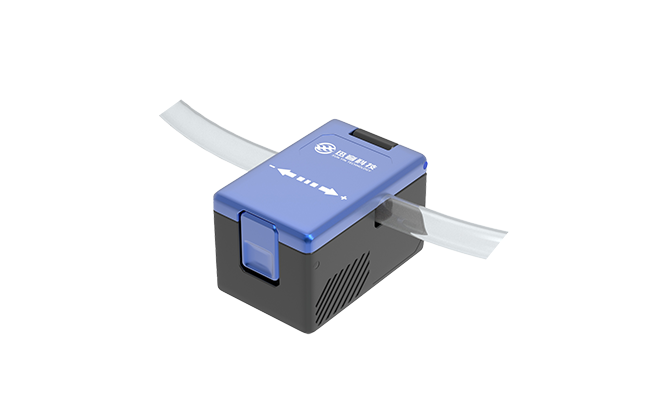
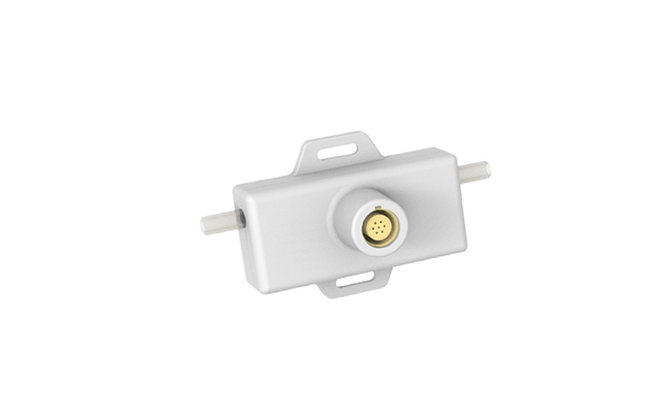
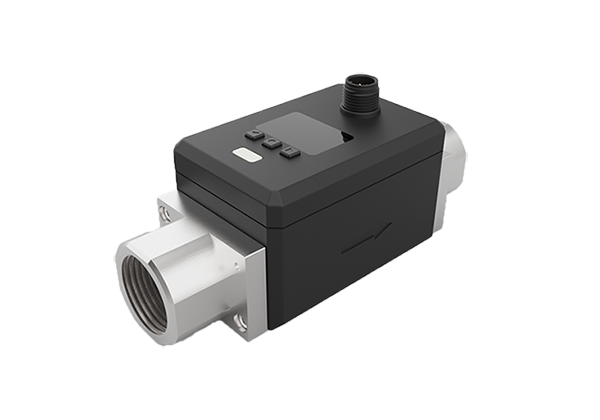
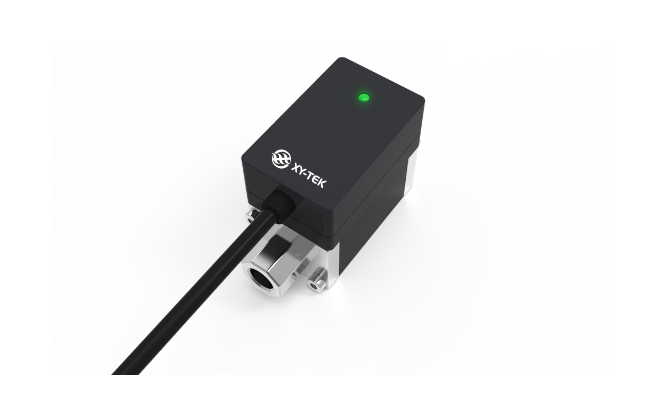
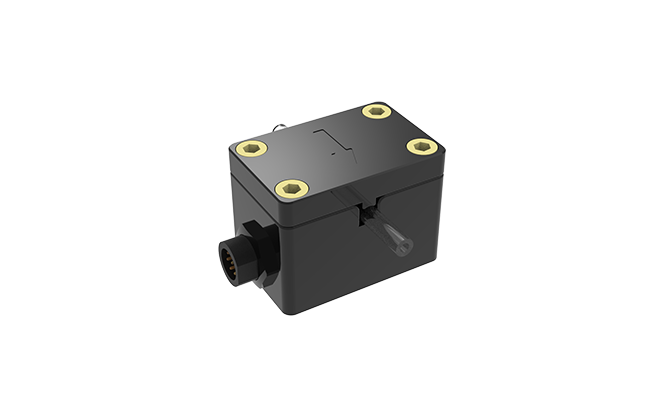
3.1 XY-TEK ultrasonic flowmeters operate on the ultrasonic transit-time (time-difference) principle. They are available in two installation types:
3.2 Core Advantages of Ultrasonic Flow Sensors / Flowmeters
|
Advantage Dimension
|
Key Benefits
|
|
Measurement Principle
|
Based on ultrasonic transit-time technology with no mechanical moving parts, ensuring stable and reliable measurement
|
|
Fluid Compatibility
|
• Measures both conductive and non-conductive fluids, perfectly compatible with electronic fluorinated liquids, deionized water, and various coolants
• Unaffected by fluid conductivity, solving the limitation of electromagnetic flowmeters with non-conductive coolants
• Can measure fluids containing small amounts of bubbles or impurities
|
|
Installation
|
• Clamp-on: No pipe cutting or system shutdown required, ideal for retrofitting existing systems
• In-line: Compact size, suitable for integration into CDUs and other equipment
• Lower straight pipe section requirements
|
|
System Impact
|
• Zero pressure loss, no increase in pumping energy consumption
• Clamp-on type has no contact with the medium, eliminating contamination risk
• Does not alter flow path structure
|
|
Accuracy & Performance
|
• Accuracy of ±1% to ±2%, meeting liquid cooling monitoring requirements
• Excellent repeatability and long-term stability
• Wide turndown ratio
|
|
Maintenance Cost
|
• No moving parts, virtually maintenance-free
• Clamp-on sensors can be replaced online without system shutdown or leakage risk
• Low long-term operating cost
|
|
Intelligence
|
• Supports 4-20mA, RS485, Modbus, and other output signals
• Easy integration with BMS and PLC systems for intelligent monitoring
• Supports remote diagnostics and parameter adjustment
|
4. Key Highlights of XYTEK Ultrasonic Flowmeters---TPD series and TPK series in-line Flow Sensors / Flow Meters
4.1 Electromagnetic Flowmeters
Electromagnetic flowmeters cannot measure non-conductive fluids such as electronic fluorinated liquids.
Ultrasonic Flow Sensor Advantages : Full fluid compatibility — ultrasonic flow sensor works with all coolants.
Ultrasonic flowmeters can measure any liquid, whether conductive or non-conductive. A single unit handles deionized water, electronic fluorinated liquids, or specialized coolants, protecting customer investment against future coolant changes.
4.2 Vortex and Turbine Flowmeters
Vortex flowmeters are sensitive to low flow and vibration; turbine flowmeters suffer from mechanical wear.
Ultrasonic Flow Sensor Advantages : Zero wear, zero pressure loss, lifetime maintenance-free.
With no moving parts, ultrasonic flowmeters eliminate mechanical wear entirely. 0 pressure loss ensures no additional system energy consumption. Clamp-on models offer true lifetime maintenance-free operation, significantly reducing Total Cost of Ownership (TCO).
4.3 Compared with Coriolis Mass Flowmeters
High cost, vibration sensitivity, and limited pipe size range.
Ultrasonic Flow Sensor Advantages : High accuracy at a fraction of the cost — the best value choice.
4.4 Rotameters
Low accuracy, inability to provide remote monitoring, and risk of glass tube breakage.
Ultrasonic Flow Sensor Advantages : No mechanical part.
5. Ultrasonic Flow Sensor / Flowmeters: The Ideal Next-Generation Solution for Liquid Cooling Systems
|
Customer Type
|
Current Situation
|
Conversion Angle
|
|
Data Center Operators
|
Mostly use electromagnetic flowmeters (water-based cooling)
|
Emphasize electronic fluorinated liquid compatibility and future scalability
|
|
CDU Equipment Manufacturers
|
Use turbine/vortex flowmeters
|
Emphasize maintenance-free operation, long service life, and low TCO
|
|
Liquid Cooling System Integrators
|
Select different types per project
|
Emphasize standardization, simplified selection, and reduced inventory costs
|
|
Server Manufacturers
|
Use small built-in flowmeters in cold plates
|
Emphasize compact size, high accuracy, and digital connectivity
|
Ultrasonic Flow Sensor Key Value Propositions:
1.Ultrasonic Flow Meters Vs. Electromagnetic Flowmeters
Electromagnetic flowmeters only work with conductive liquids and fail with electronic fluorinated liquids. Ultrasonic flowmeters measure both conductive and non-conductive fluids — one solution for all coolants.
2.Ultrasonic Flow Meters Vs. Turbine/Vortex Flowmeters
Turbine flowmeters have blades that wear out, and vortex meters are sensitive to vibration. Ultrasonic flowmeters have no moving parts and no contact with the fluid, delivering lifetime maintenance-free performance.
3.Ultrasonic Flow Meters Vs. Coriolis Mass Flowmeters
Coriolis flowmeters offer high accuracy but cost 3–5 times more and are vibration-sensitive. Ultrasonic flowmeters deliver near-Coriolis accuracy at electromagnetic pricing — the best cost-performance ratio.
Choosing an ultrasonic flowmeter means choosing:
1.Full fluid compatibility — works with water today and fluorinated liquids tomorrow without equipment replacement
2.Zero maintenance cost — no moving parts; clamp-on models are lifetime maintenance-free
3.Zero system impact — no pressure loss and no increase in pumping energy consumption
4.Digital upgrade — full 4-20mA/RS485 / Modbus interface support for intelligent monitoring
Ultrasonic flow sensors / flow meters are rapidly becoming the new standard for flow measurement in liquid cooling systems worldwide. With superior fluid compatibility, minimal maintenance requirements, negligible system impact, and advanced digital capabilities, they perfectly meet the evolving demands of liquid cooling technology.
6. TPD Ultrasonic Flowmeters : The Ideal Next-Generation Flow Sensor AI Datacenter Liquid Cooling
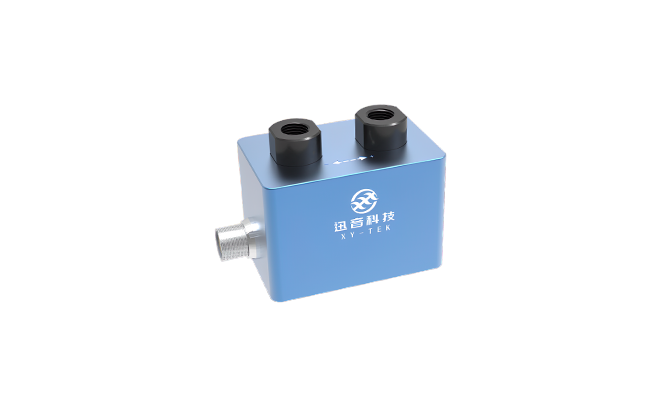
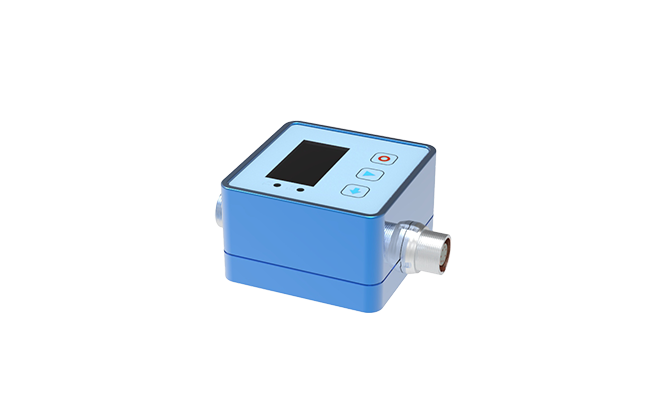
The TPD series inline ultrasonic flow sensors/flow meters feature an integrated design with a built-in circuitry, support direct flow rate measurement and intuitive flow data monitoring, ideal for industrial automation, battery manufacturing equipment, water treatment, and liquid cooling flow rate measurement.
The TPD series inline ultrasonic flow sensors/flow meters can be integrated into the existing fluid systems through internationally standardized tubing fittings, with an accuracy of up to ±2%.
TPD series inline ultrasonic flow sensors/flow meters consist of straight tubing with no moving parts and dead spots, making it resistant to wear and scaliness, easy to clean, and with minimal pressure loss.
For more information, please visit XY-TEK TPD series inline ultrasonic flow sensors/flow meters at https://xy-tek.com/Products/show?id=22
Contact XY-TEK at global@xy-tek.cn for more information.










 Pre-Sale
 After-Sale