XY-TEK | Ultrasonic Flow Sensors

Blog

瓣膜返流测试(1)

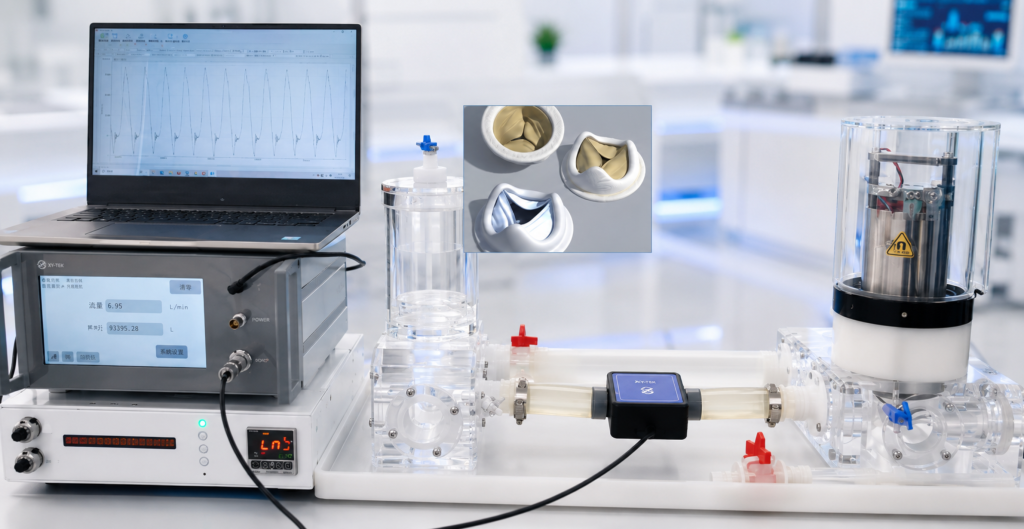
Capturing Millisecond-Level Hemodynamic Transients: Applications of Ultrasonic Flow Meters in Medical Pulsatile Flow Testing

In the human circulatory system, blood flow differs significantly from the steady-state flow found in industrial pipelines. Driven by the rhythmic contractions and relaxations of the heart, blood flow naturally exhibits pronounced pulsatile characteristics, with its velocity, pressure, and flow rate undergoing periodic changes at the millisecond level. In the research, development, and validation of medical devices such as artificial heart pumps, heart valves, extracorporeal circulation (ECMO) systems, and hemodynamic simulation tests, the ability to accurately replicate and precisely measure these dynamic pulsatile waveforms is crucial for evaluating the device’s hydraulic performance and safety. However, traditional mechanical sensors often possess significant rotational inertia and damping effects, making it difficult for them to track the rapidly changing instantaneous signals of pulsatile flow.
Capturing Millisecond-Level Hemodynamic Transients: Applications of Ultrasonic Flow Meters in Medical Pulsatile Flow Testing Read More »

chatgpt image 2026年9月16日 16 15 46

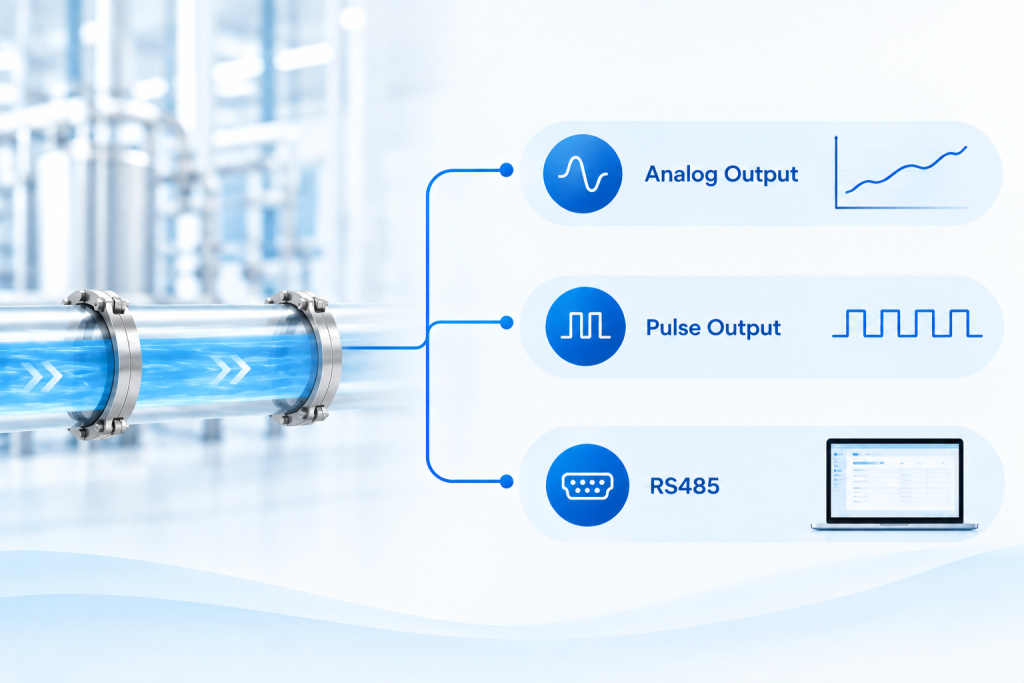
From Sensor to Control System: Data Output Modes and Industrial Integration Considerations for Ultrasonic Flow Meters

In industrial settings, whether a flow sensor performs well depends not only on measurement accuracy and long-term stability, but also on a frequently underestimated dimension — data output capability. Once a sensor measures flow, the data must ultimately be transmitted to a PLC, DCS, or host computer to participate in logic control, trend recording, and alarm interlocks. If the output interface is mismatched or the communication protocol is incompatible, even the most accurate sensor becomes difficult to use in a project. Ensuring that sensors can efficiently, reliably, and seamlessly integrate into a customer’s existing system architecture is a critical consideration for equipment manufacturers.

From Sensor to Control System: Data Output Modes and Industrial Integration Considerations for Ultrasonic Flow Meters Read More »

chatgpt image 2026年9月11日 17 25 54

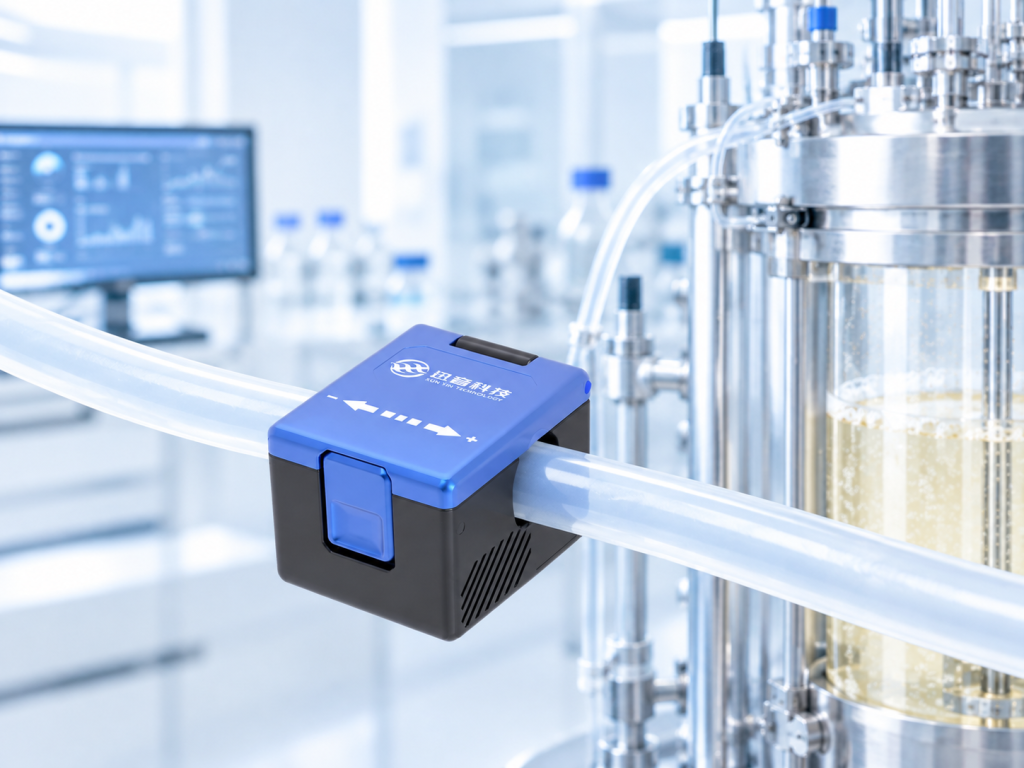
Fluid Control and Process Monitoring in Biological Fermentation

In biopharmaceuticals, fermentation and cell culture represent the upstream core of the entire process chain. Subsequent downstream purification and formulation steps rely heavily on upstream operations to deliver consistent, qualified harvest fluids. The fermentation process itself is a dynamic biochemical reaction system requiring continuous substrate feeding, precise pH and dissolved oxygen (DO) control, and timely discharge of metabolic waste. Fundamentally, these critical operations translate into fluid flow control: the initial volume of culture media, the continuous addition rate of nutrients during the feeding phase, the drip rate of acid/base adjustment fluids, and the discharge flow of waste liquids. The accuracy of flow data directly impacts the substance concentration and cell growth environment within the bioreactor, thereby affecting batch consistency and product yield.

Fluid Control and Process Monitoring in Biological Fermentation Read More »

808c18d1 40f6 4494 b980 c029a02c666a

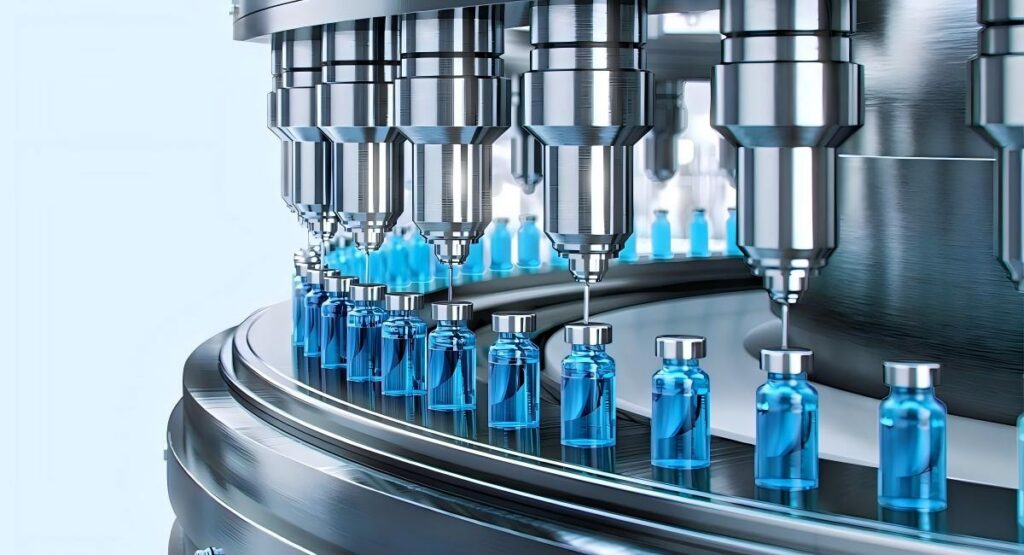
Guarding the “Last Mile” of Biopharma: Ultrasonic Flow Monitoring in Aseptic Filling Processes

In the long biopharmaceutical manufacturing chain, aseptic filling is often called the “last mile.” For products such as monoclonal antibodies, recombinant proteins, and vaccines, the highly purified drug substance—after upstream processing and downstream purification—must ultimately be dispensed into vials, pre-filled syringes, or cartridges with extreme precision and under sterile conditions.

Guarding the “Last Mile” of Biopharma: Ultrasonic Flow Monitoring in Aseptic Filling Processes Read More »

工业 化学加药系统

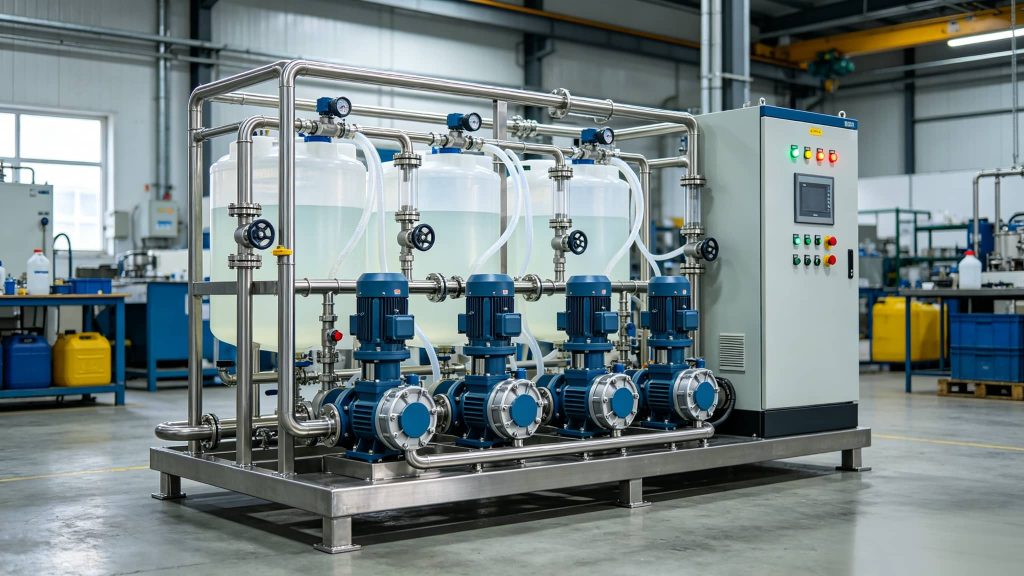
Precision Control and Predictive Maintenance: Ultrasonic Flow Sensors in Automated Dosing Systems

Blog XY-TEK is a high-tech company specializing in the development, manufacturing, and sales of accurate and reliable ultrasonic flow sensors/flow meters. We specialize in flow rate measurement for small tubing and low flow rates in medical devices, bioprocessing, beverage and drink filling, industry automation, etc. XY-TEK also offers ultrasonic flow sensors, vortex flow meters, and

Precision Control and Predictive Maintenance: Ultrasonic Flow Sensors in Automated Dosing Systems Read More »

ess lc compact with sensor tad

Building a Safety Defense for ESS Thermal Management: Applications of Ultrasonic Flow Sensors in Liquid Cooling Systems

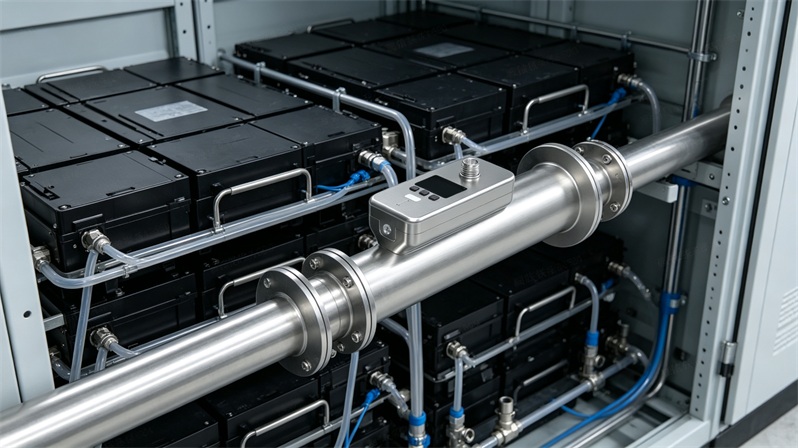
Against the backdrop of the global energy transition towards clean and low-carbon structures, electrochemical Energy Storage Systems (ESS) are experiencing large-scale deployment. As the energy density of individual battery cells and overall systems continues to rise, thermal management during charge and discharge cycles has become a core factor impacting system lifespan and safety.

Building a Safety Defense for ESS Thermal Management: Applications of Ultrasonic Flow Sensors in Liquid Cooling Systems Read More »

实验室流体测量场景

Demand-Driven and Technology Integrated: The Design Philosophy Behind XY-TEK Ultrasonic Flow Sensors

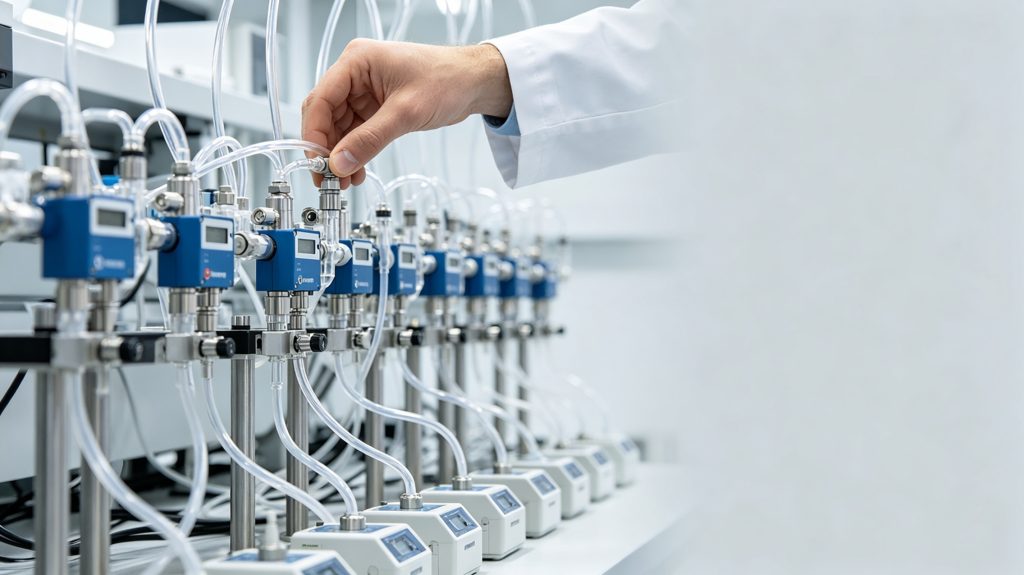
In the field of precision fluid measurement and control, a sensor must not only provide accurate data but also adapt to the specific integration requirements and environmental constraints of its application. An effective product design ensures measurement performance while minimizing any additional impact on the customer’s existing system. This not only tests a company’s technical execution capabilities but also reflects its deep understanding of diverse application scenarios and its core design strategy.

Demand-Driven and Technology Integrated: The Design Philosophy Behind XY-TEK Ultrasonic Flow Sensors Read More »

瓣膜返流测试

Safeguarding the Flow of Life: The Crucial Application of Ultrasonic Flow Sensors in ECMO and Extracorporeal Circulation Systems

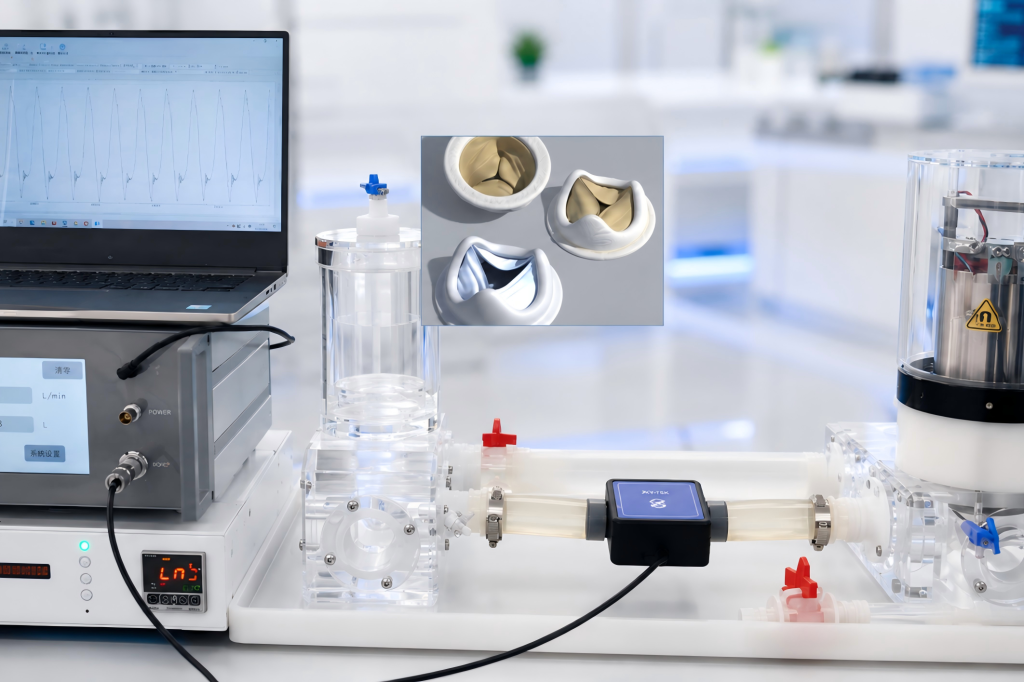
Extracorporeal Membrane Oxygenation (ECMO), often referred to as an artificial heart-lung machine, is an emergency medical technology used to support or completely replace the function of the heart and/or lungs. In high-risk cardiac procedures like Transcatheter Aortic Valve Replacement (TAVR), as well as in the resuscitation of Intensive Care Unit (ICU) patients suffering from severe respiratory or circulatory failure, ECMO serves as the ultimate line of defense for life.

Safeguarding the Flow of Life: The Crucial Application of Ultrasonic Flow Sensors in ECMO and Extracorporeal Circulation Systems Read More »

8.18

Optimizing Downstream Purification Efficiency in Biopharmaceutical Manufacturing: The Application of Ultrasonic Flow Sensors in Tangential Flow Filtration (TFF) Systems

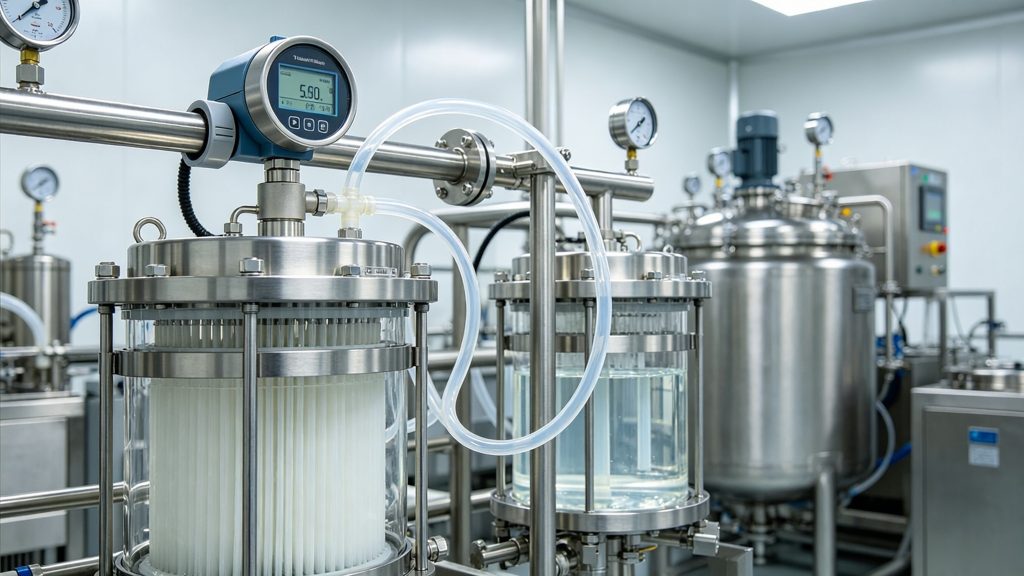
With the rapid expansion of the biopharmaceutical industry, the manufacturing processes for high-value biologics—such as recombinant proteins, monoclonal antibodies (mAbs), and vaccines—have reached unprecedented levels of precision. In downstream processing, Tangential Flow Filtration (TFF), also known as Cross-Flow Filtration (CFF), has established itself as an indispensable core technology.

Optimizing Downstream Purification Efficiency in Biopharmaceutical Manufacturing: The Application of Ultrasonic Flow Sensors in Tangential Flow Filtration (TFF) Systems Read More »

电子

Beyond the Spec Sheet: Evaluating Flow Sensor Partners by Capability, Not Just Specs

The ultrasonic flow meter market is projected to grow from USD 1.52 billion in 2025 to USD 2.28 billion by 2031 (Mordor Intelligence). As demand surges across fields such as liquid cooling and battery manufacturing, buyers face a crowded field of suppliers. The question is no longer just about accuracy or price—it is about which partner can deliver reliable performance in real-world applications.

Beyond the Spec Sheet: Evaluating Flow Sensor Partners by Capability, Not Just Specs Read More »