
In industrial settings, the maintenance issues associated with flow meters are often underestimated. Many equipment managers may have had similar experiences: after a period of use, the bearings of a turbine flow meter wear out, leading to measurement deviations; the electrodes of an electromagnetic flow meter become fouled, requiring disassembly …
With the rapid expansion of the biopharmaceutical industry, the manufacturing processes for high-value biologics—such as recombinant proteins, monoclonal antibodies (mAbs), and vaccines—have reached unprecedented levels of precision. In downstream processing, Tangential Flow Filtration (TFF), also known as Cross-Flow Filtration (CFF), has established itself as an indispensable core technology.
The stable and efficient operation of a TFF system directly impacts product yield, purity, and overall quality. Within this critical unit operation, real-time, precise liquid flow monitoring and control serve as the lifeline of the entire process.
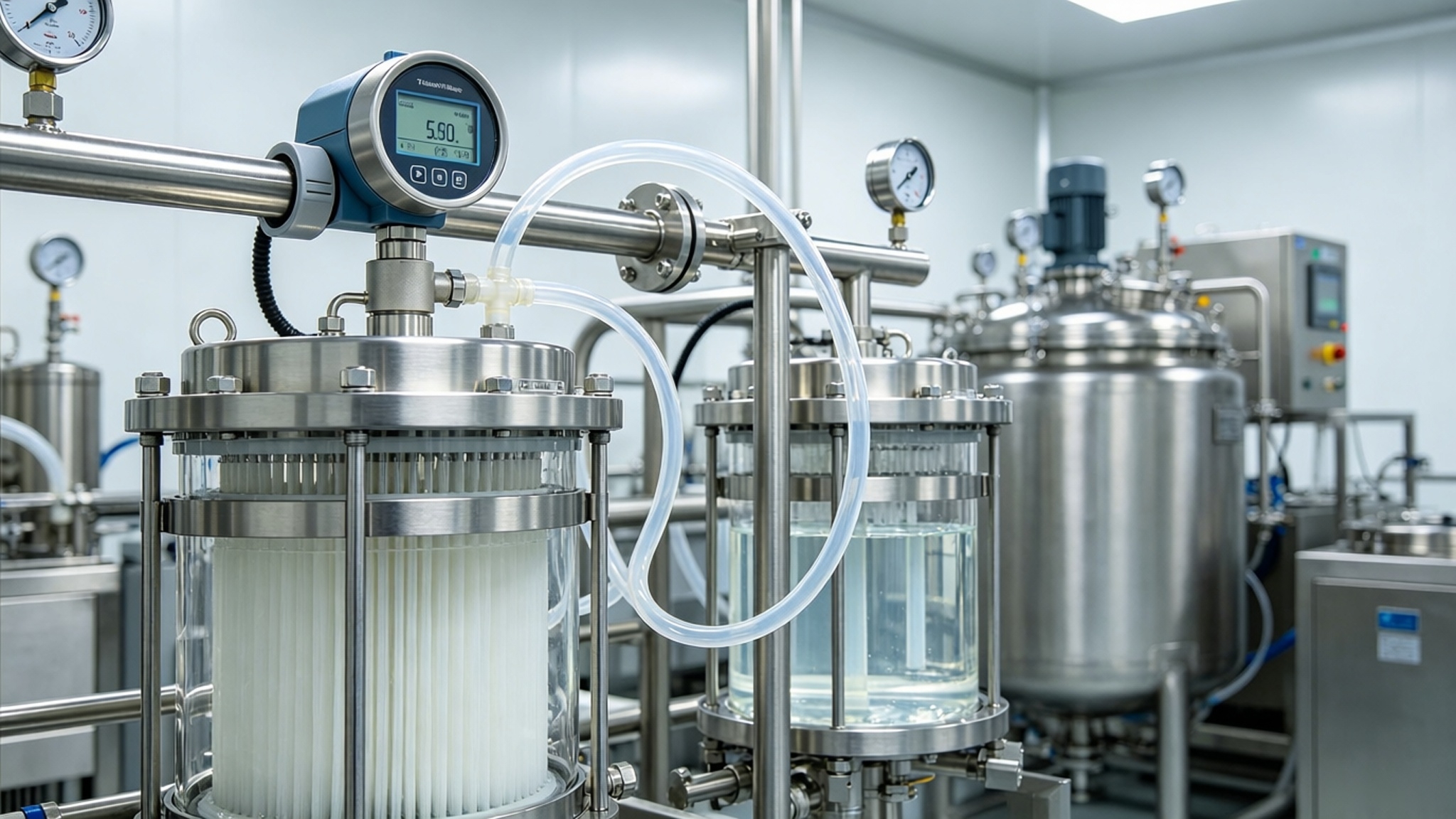
- TFF Systems: The Precision Engine of Downstream Purification
Tangential Flow Filtration is a highly efficient membrane separation technique. Unlike conventional Dead-End Filtration, where the feed stream passes perpendicularly through the filter, the fluid in a TFF system flows parallel (tangential) to the membrane surface at a controlled velocity. This cross-flow motion generates a sweeping shear force across the membrane, effectively minimizing cake layer buildup and concentration polarization caused by high-density macromolecules.
Under applied pressure, the feed stream enters the TFF cassette or hollow fiber module. Solvent and small solute molecules below the Molecular Weight Cut-Off (MWCO) pass through the membrane pores to form the Permeate (or Filtrate). Meanwhile, target biological macromolecules are retained and swept along the membrane surface, returning to the feed vessel as the Retentate.
By precisely controlling the permeate flow rate and retentate recirculation, TFF systems perform efficient concentration, diafiltration, and buffer exchange.
In mAb purification and protein isolation, maintaining a stable flow rate is a fundamental prerequisite for controlling the Transmembrane Pressure (TMP). Proper flow control ensures the process operates within its optimal design space, preventing irreversible shear damage to sensitive biomolecules while maximizing product recovery.
- Industry Challenges with Traditional Flow Monitoring
In bioprocessing environments where sterility, stability, and biocompatibility are paramount, traditional flow measurement technologies face severe limitations:
- Contamination and Cross-Contamination Risks:
Traditional wetted flow meters (such as inline turbines) require direct contact with the process fluid. This introduces potential microbial contamination risks and complicates Clean-in-Place (CIP) and Steam-in-Place (SIP) validation. Any residual material between batches poses a risk of cross-contamination.
- Shear-Induced Biomolecule Degradation:
Mechanical flow meters feature internal moving parts (e.g., impellers) that subject delicate proteins to localized high shear stress, leading to protein aggregation, denaturation, and activity loss.
- Pressure Drop and Flow Field Disturbance:
Invasive sensors disrupt the fluidic profile within the piping, introducing unwanted pressure drops that interfere with precise TMP regulation and lower filtration flux.
- Low-Flow Measurement Limits:
Benchtop R&D systems or analytical setups often operate at micro-flow rates (mL/min scale). At these low volumes, conventional sensors struggle to maintain stable, accurate readings due to tubing wall thickness interference and signal attenuation.
- Clamp-on Ultrasonic Flow Sensors: The Ideal Solution for TFF
Ultrasonic flow sensors eliminate these operational bottlenecks. Operating on the Transit-Time ultrasonic principle, a pair of transducers is mounted on the exterior of the tubing to alternately transmit and receive acoustic signals. By measuring the minute time difference between ultrasonic waves traveling upstream and downstream, the sensor calculates the precise fluid velocity and volumetric flow rate.
As an expert in ultrasonic fluid sensing technology, XY-TEK offers two complementary technical solutions tailored for different bioprocess scales:
CG Series Clamp-On Ultrasonic Flow Sensor
Optimized for flexible tubing (e.g., Silicone, TPE, PVC, PTFE) commonly used with peristaltic pumps in TFF systems. Featuring a compact, clip-on design, it allows rapid installation without cutting the fluid path.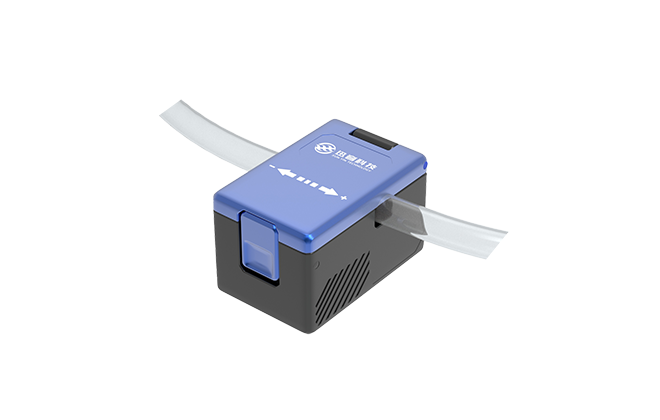
It has Integrate processing electronics directly inside the sensor body—eliminating external converter boxes. It provide non-Invasive measurement, standard industrial signal outputs (RS485 Modbus, 4-20mA, Pulse), and integrated air-bubble detection to protect systems against signal disruption.
TGU Series Low-Flow Ultrasonic Flow Sensor
For laboratory-scale filtration units where flow rates are too low for clamp-on sensors to detect reliably, the TGU Series provides an ultra-precise alternative.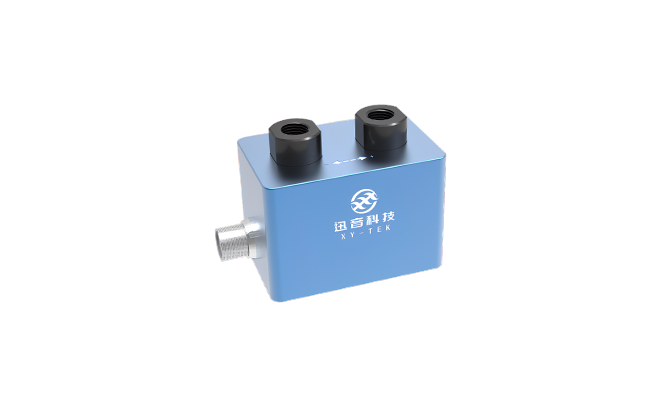
The TGU series features a specialized internal U-path design that optimizes ultrasonic signal transmission efficiency, enabling stable and accurate measurements down to 1 mL/min. The fluid tube is crafted from biocompatible, chemically inert PEEK material, guaranteeing purity and against the liquid.
On the path of striving for outstanding efficiency and ultimate safety in biopharmaceuticals, precise flow data serves as the foundation for optimization. XY-TEK is dedicated to assisting global customers in achieving a seamless transition across the entire process from research and development to production through a variety of ultrasonic sensing solutions.
The best specification sheet is a track record in similar conditions. Selecting a flow sensor supplier is a strategic decision that impacts yield, uptime, and long-term maintenance cost. The suppliers that invest in application-specific engineering and hold verifiable intellectual property are the ones most likely to deliver consistent results beyond the first shipment.
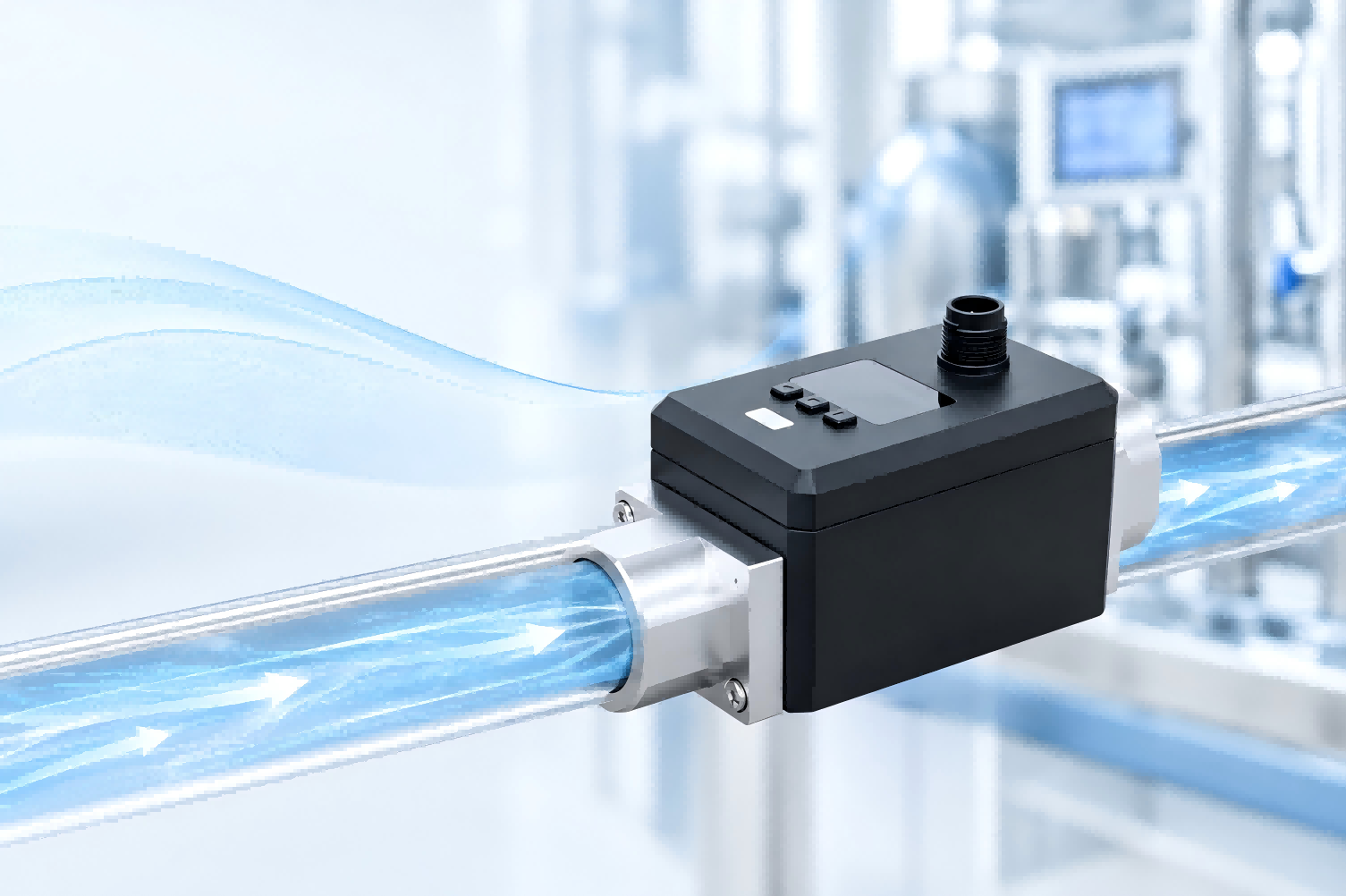

XY-TEK has been committed to serving both domestic and international markets since its inception. Over the years, we have built strong, long-term partnerships with clients worldwide, continuously adapting our fluid measurement solutions to diverse international markets and demanding operational scenarios.
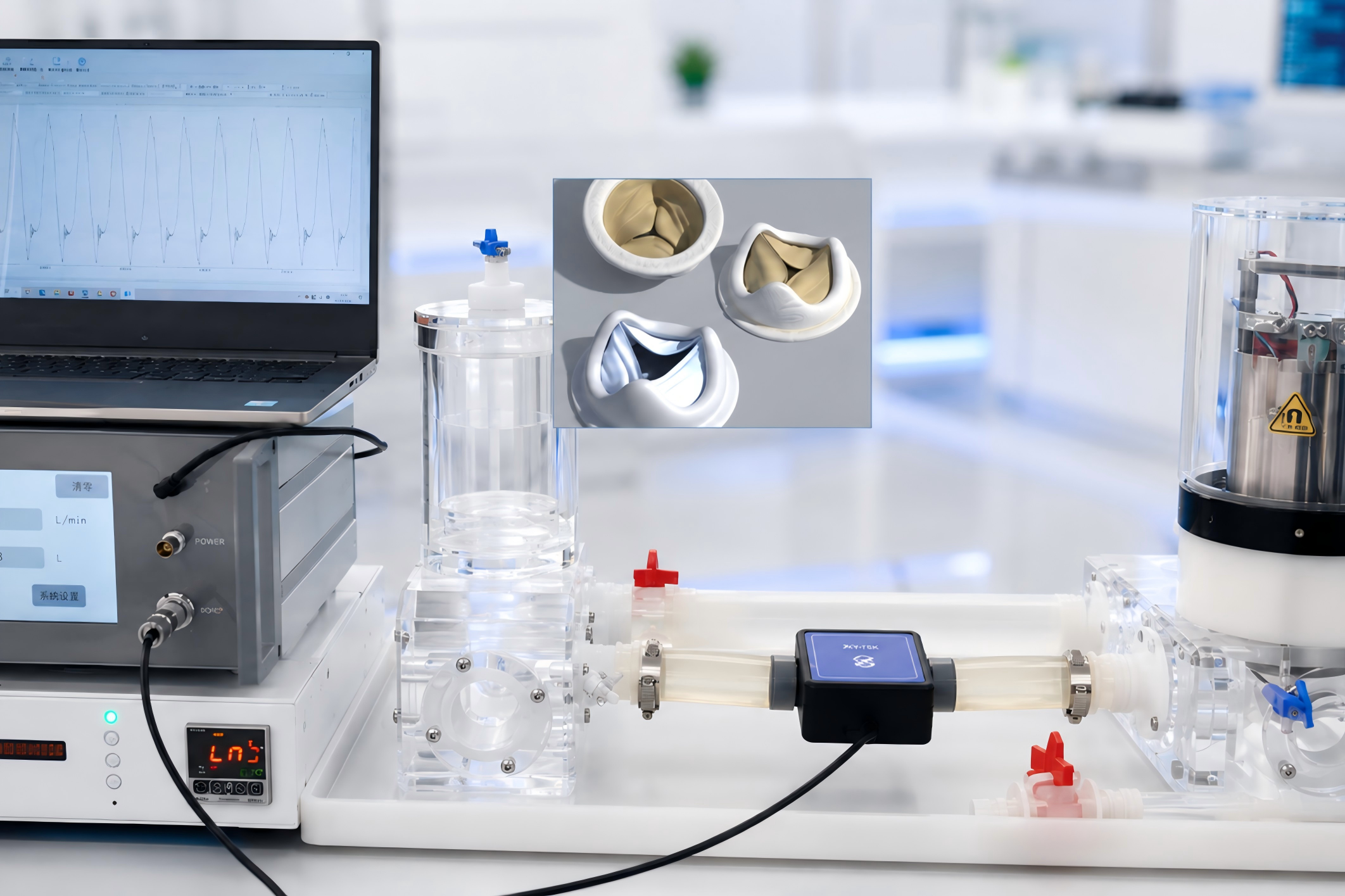
In the human circulatory system, blood flow differs significantly from the steady-state flow found in industrial pipelines. Driven by the rhythmic contractions and relaxations of the heart, blood flow naturally exhibits pronounced pulsatile characteristics, with its velocity, pressure, and flow rate undergoing periodic changes at the millisecond level. In the …
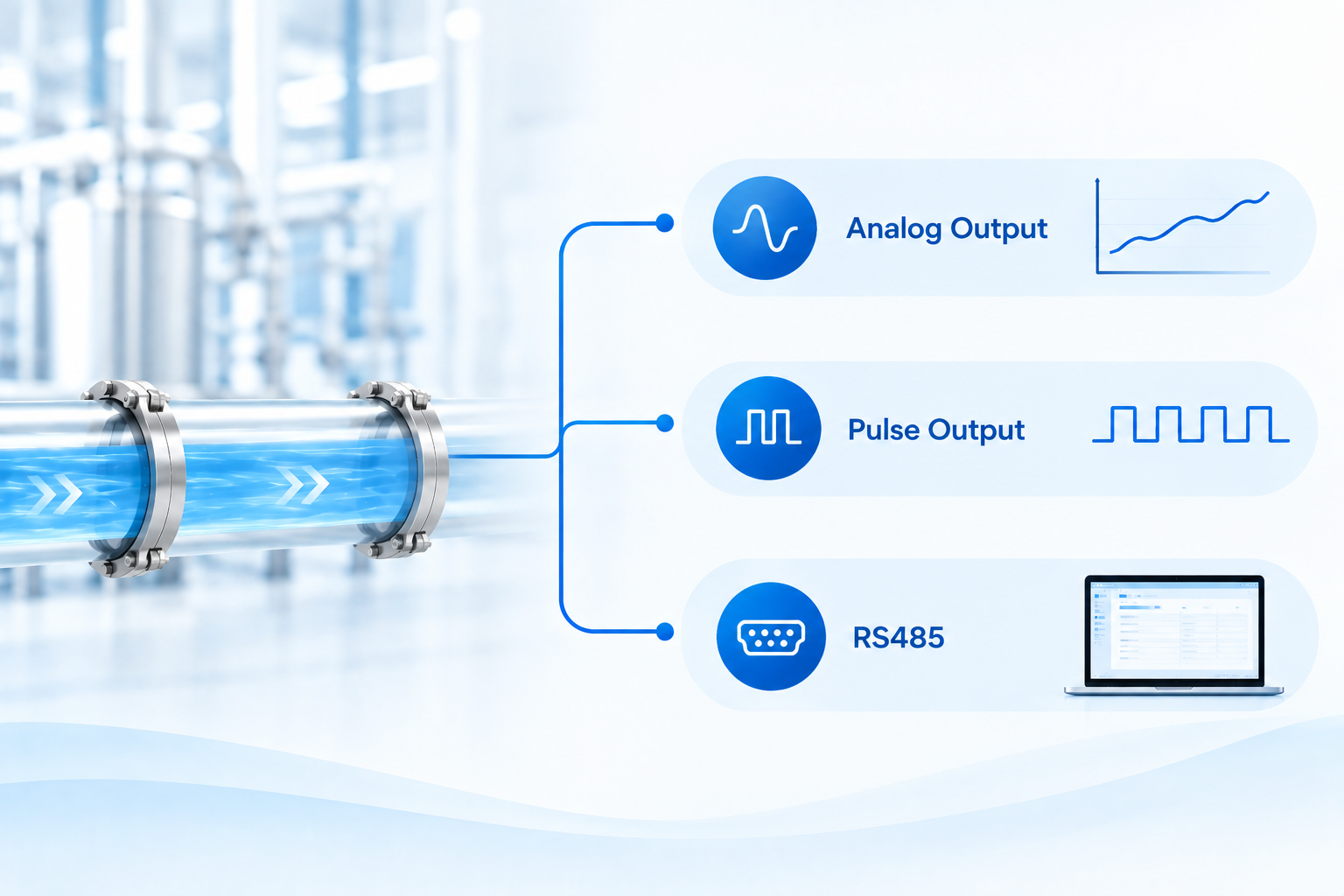
In industrial settings, whether a flow sensor performs well depends not only on measurement accuracy and long-term stability, but also on a frequently underestimated dimension — data output capability. Once a sensor measures flow, the data must ultimately be transmitted to a PLC, DCS, or host computer to participate in …
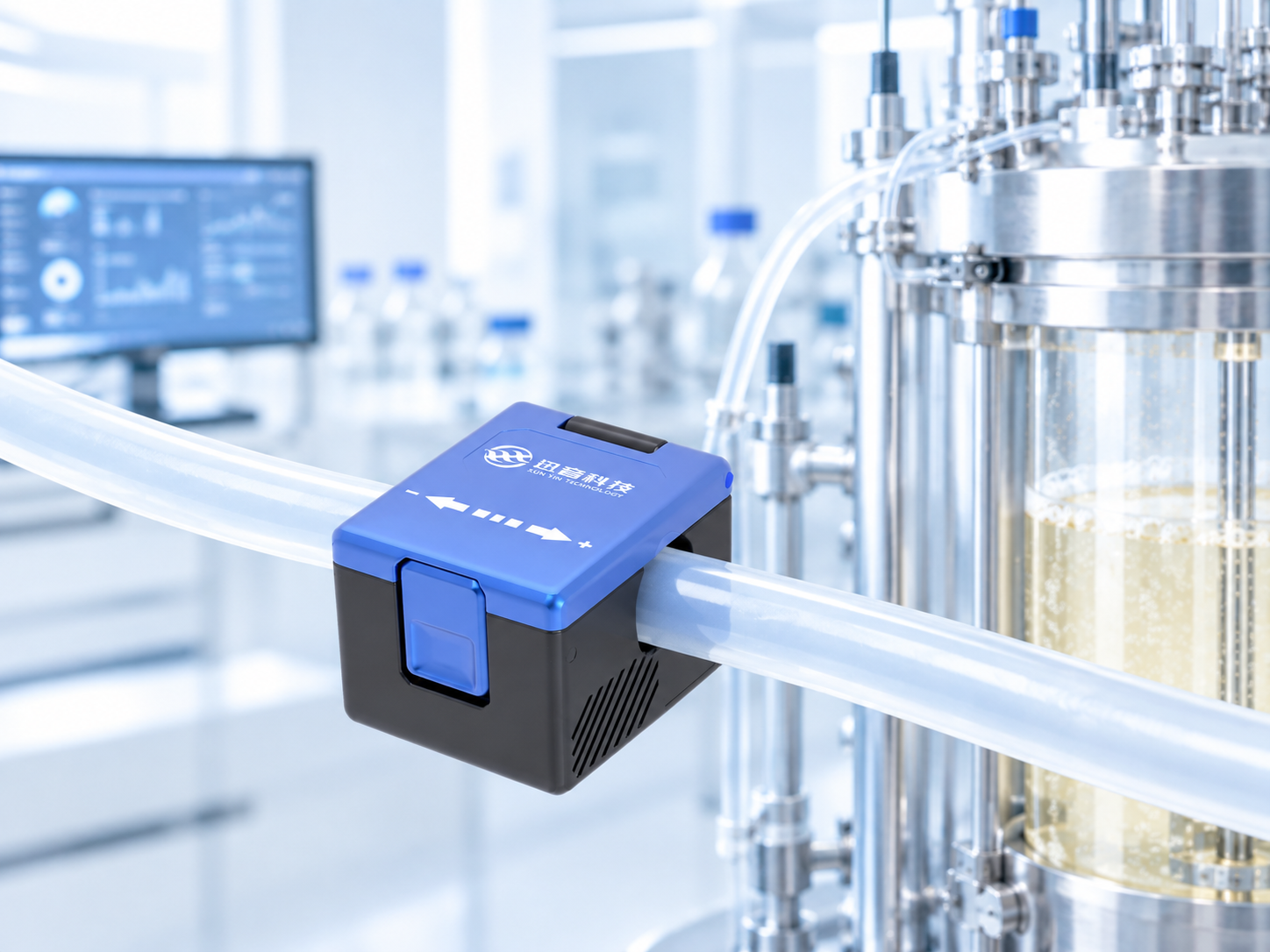
In biopharmaceuticals, fermentation and cell culture represent the upstream core of the entire process chain. Subsequent downstream purification and formulation steps rely heavily on upstream operations to deliver consistent, qualified harvest fluids. The fermentation process itself is a dynamic biochemical reaction system requiring continuous substrate feeding, precise pH and dissolved …
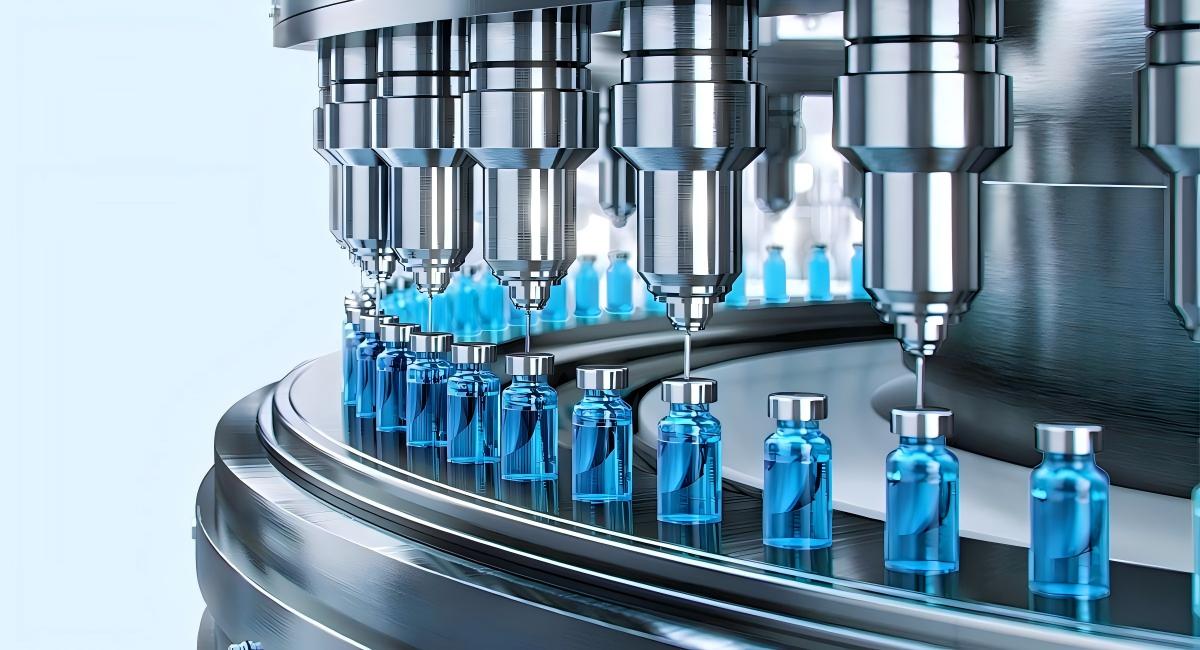
In the long biopharmaceutical manufacturing chain, aseptic filling is often called the “last mile.” For products such as monoclonal antibodies, recombinant proteins, and vaccines, the highly purified drug substance—after upstream processing and downstream purification—must ultimately be dispensed into vials, pre-filled syringes, or cartridges with extreme precision and under sterile conditions.