
In industrial settings, the maintenance issues associated with flow meters are often underestimated. Many equipment managers may have had similar experiences: after a period of use, the bearings of a turbine flow meter wear out, leading to measurement deviations; the electrodes of an electromagnetic flow meter become fouled, requiring disassembly …
The ultrasonic flow meter market is projected to grow from USD 1.52 billion in 2025 to USD 2.28 billion by 2031 (Mordor Intelligence). As demand surges across fields such as liquid cooling and battery manufacturing, buyers face a crowded field of suppliers. The question is no longer just about accuracy or price—it is about which partner can deliver reliable performance in real-world applications.
The Evaluation Gap
Most procurement teams benchmark specifications: accuracy, range, output type. But in emerging applications—like non-conductive coolant monitoring in data centers or electrolyte injection in lithium-ion battery lines—real-world performance diverges from the datasheet. A supplier’s ability to adapt to corrosive media, detect bubbles without contamination, or integrate seamlessly into an existing control system often matters more than a ±0.1% accuracy advantage.
What Proven Capability Looks Like
XY-TEK has deployed clamp-on and in-line ultrasonic flow sensors in multiple demanding environments:
– Liquid cooling systems across the US, China, Germany, Japan, and Korea: non-invasive coolant monitoring, leak/blockage detection, and bidirectional flow measurement. The result was stable cooling performance, reduced energy consumption, and extended equipment life over 2–4 years of service.

– Lithium-ion battery manufacturing in 10–30 production lines globally: non-contact electrolyte flow monitoring without pipe cutting, high compatibility with corrosive media, and early bubble detection. Customers achieved improved battery consistency and lower rejection rates over 2–3 years of stable operation.
– Electronics manufacturing (SMT/EMS, wave soldering): real-time control of pulsed micro-flux flow down to 1 mL/min with ±1% accuracy. The outcome was higher soldering yield, reduced flux waste, and less rework.

These are not isolated wins—they represent repeatable engineering maturity. When a supplier holds multiple invention patents (including one granted June 2025 by CNIPA for liquid flow sensing technology) and offers customization options (communication protocol, housing material, sensor size, interface), the threshold for trust is significantly higher.
The Trend That Matters
Asia Pacific already commands 38.6% of the ultrasonic flow meter market (Fortune Business Insights), and the clamp-on segment alone is growing at 7.4% CAGR. Suppliers who combine regional manufacturing scale with proven cross-industry applications are better equipped to support long-term OEM partnerships and reduce total cost of ownership.
A Practical Lens for Evaluation
When you receive a sample or visit a factory, look beyond the PDF. Ask:
– Can the supplier show you a reference case in your exact fluid type (corrosive, non-conductive, high-purity)?
– How quickly can they adapt the sensor’s output protocol to your PLC?
– What patent protection backs the measurement principle?
– What is their MOQ and lead time for a customized version? (XY-TEK: MOQ 50 units, lead time 1–2 months, 100% pre-shipment testing)
The best specification sheet is a track record in similar conditions. Selecting a flow sensor supplier is a strategic decision that impacts yield, uptime, and long-term maintenance cost. The suppliers that invest in application-specific engineering and hold verifiable intellectual property are the ones most likely to deliver consistent results beyond the first shipment.
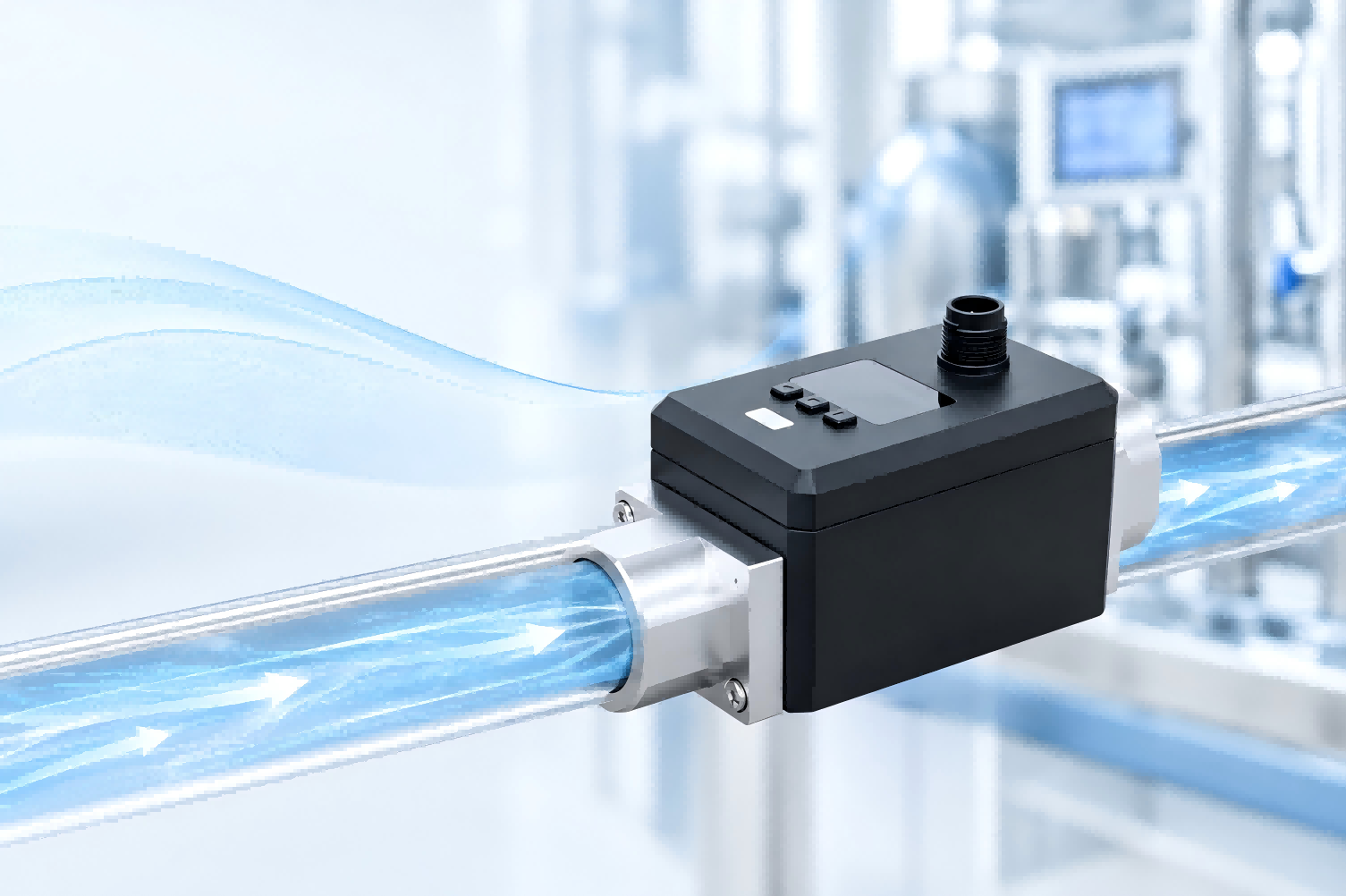

XY-TEK has been committed to serving both domestic and international markets since its inception. Over the years, we have built strong, long-term partnerships with clients worldwide, continuously adapting our fluid measurement solutions to diverse international markets and demanding operational scenarios.
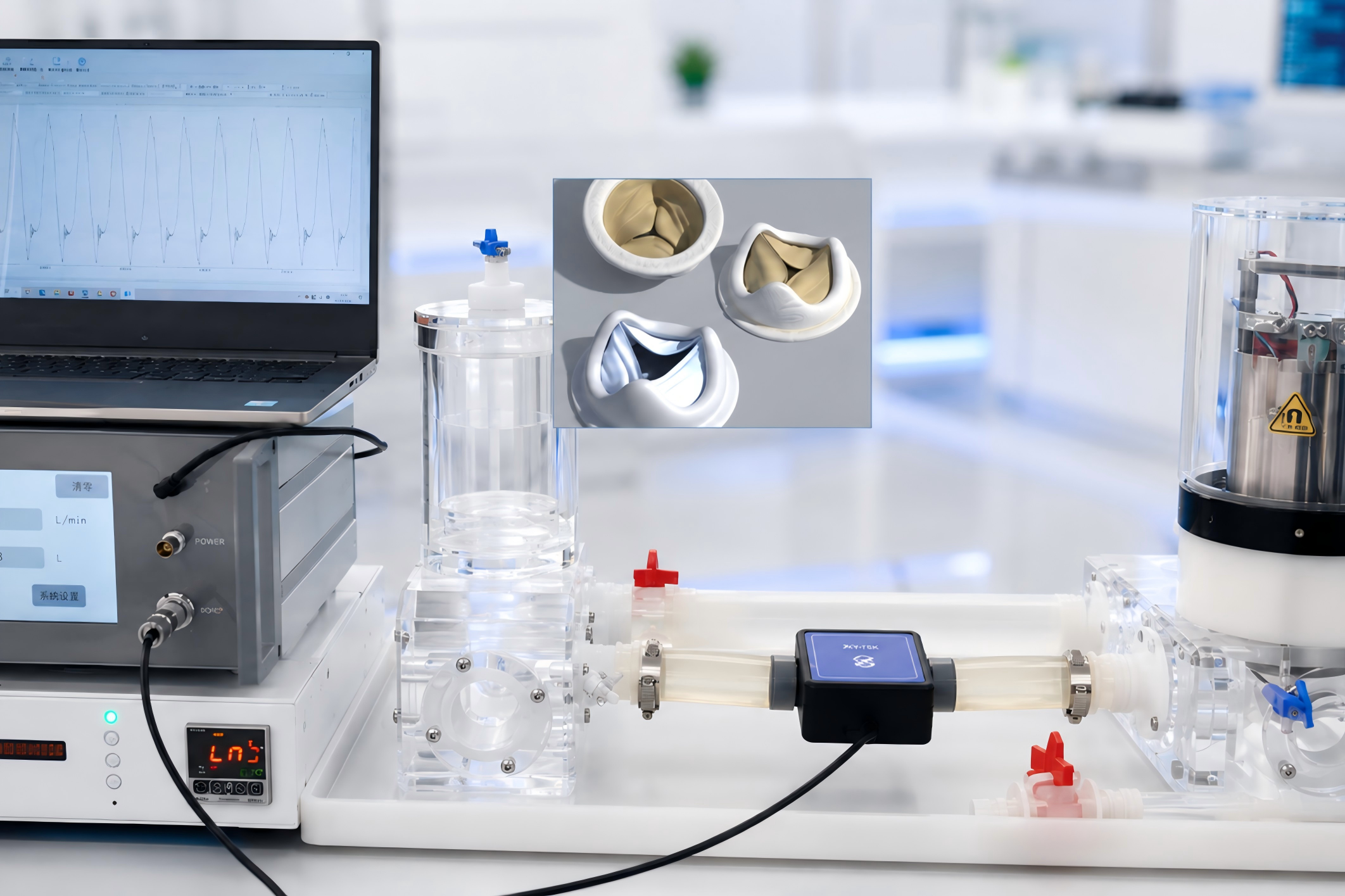
In the human circulatory system, blood flow differs significantly from the steady-state flow found in industrial pipelines. Driven by the rhythmic contractions and relaxations of the heart, blood flow naturally exhibits pronounced pulsatile characteristics, with its velocity, pressure, and flow rate undergoing periodic changes at the millisecond level. In the …
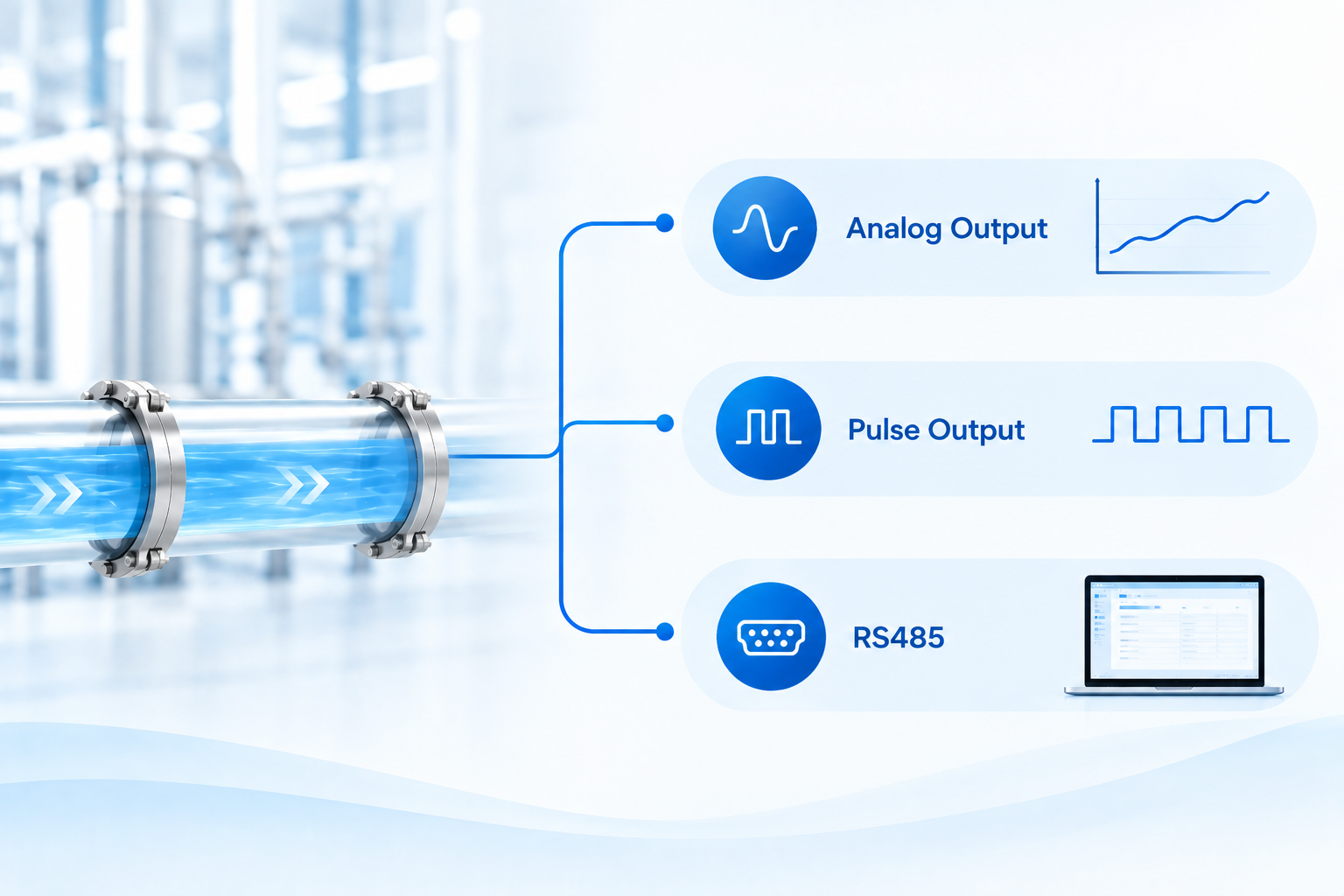
In industrial settings, whether a flow sensor performs well depends not only on measurement accuracy and long-term stability, but also on a frequently underestimated dimension — data output capability. Once a sensor measures flow, the data must ultimately be transmitted to a PLC, DCS, or host computer to participate in …
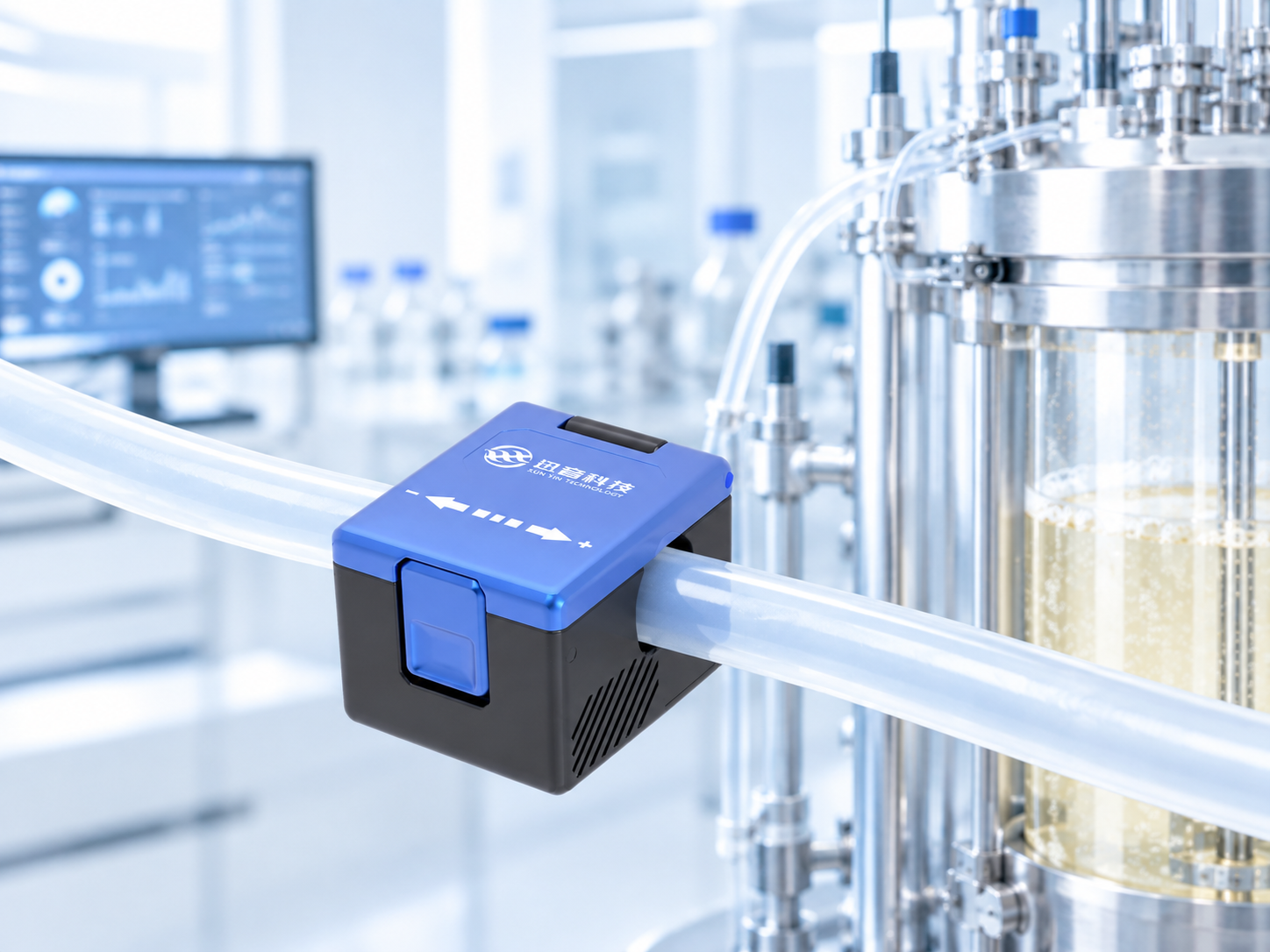
In biopharmaceuticals, fermentation and cell culture represent the upstream core of the entire process chain. Subsequent downstream purification and formulation steps rely heavily on upstream operations to deliver consistent, qualified harvest fluids. The fermentation process itself is a dynamic biochemical reaction system requiring continuous substrate feeding, precise pH and dissolved …
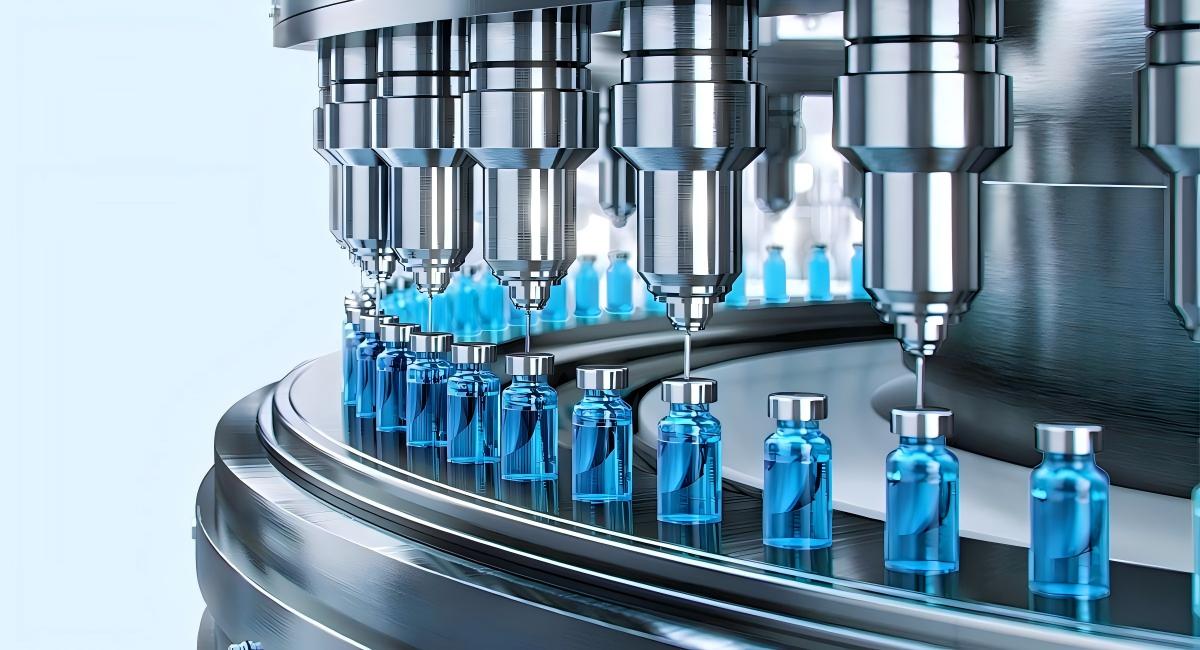
In the long biopharmaceutical manufacturing chain, aseptic filling is often called the “last mile.” For products such as monoclonal antibodies, recombinant proteins, and vaccines, the highly purified drug substance—after upstream processing and downstream purification—must ultimately be dispensed into vials, pre-filled syringes, or cartridges with extreme precision and under sterile conditions.