
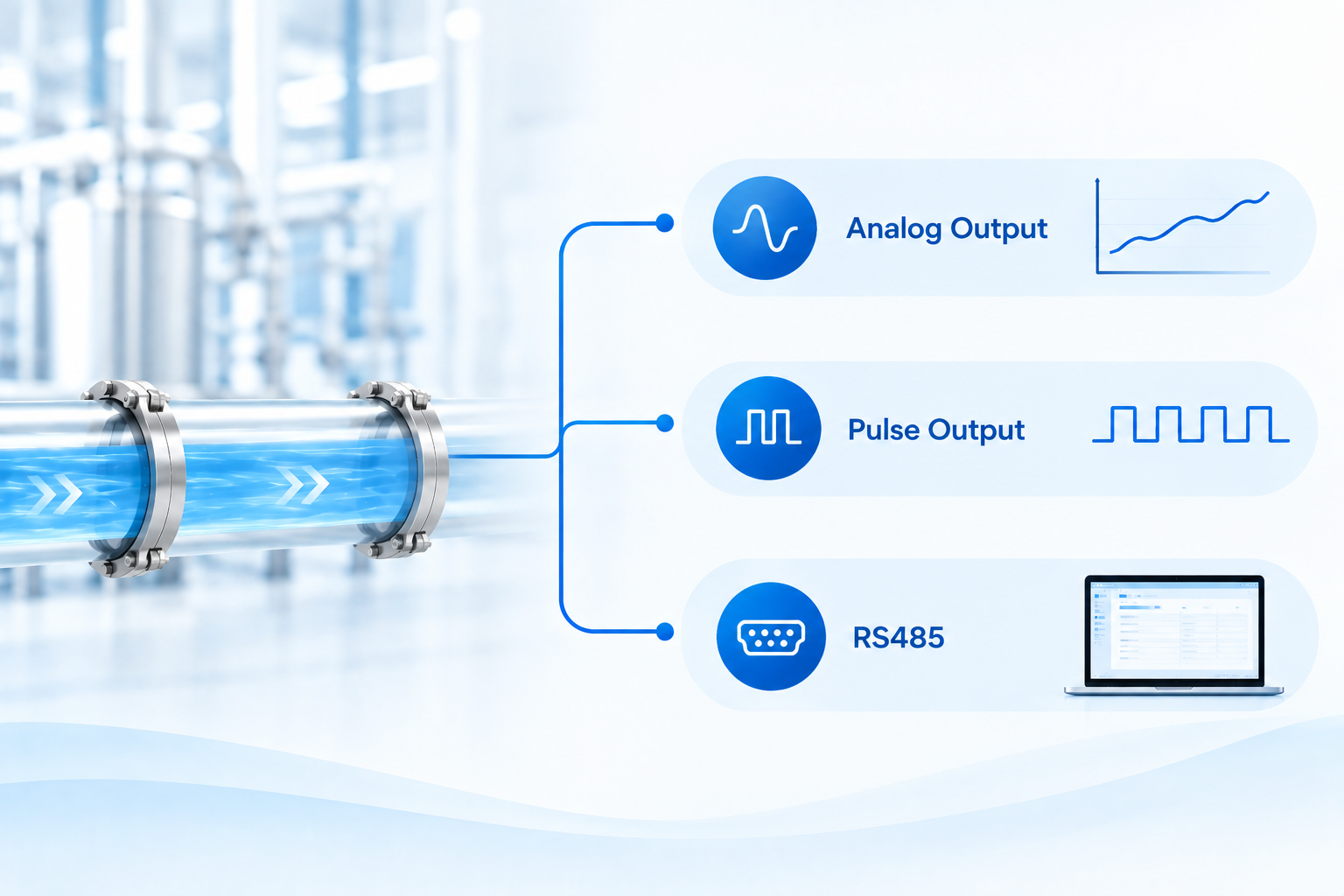
In industrial settings, whether a flow sensor performs well depends not only on measurement accuracy and long-term stability, but also on a frequently underestimated dimension — data output capability. Once a sensor measures flow, the data must ultimately be transmitted to a PLC, DCS, or host computer to participate in …
In the human circulatory system, blood flow differs significantly from the steady-state flow found in industrial pipelines. Driven by the rhythmic contractions and relaxations of the heart, blood flow naturally exhibits pronounced pulsatile characteristics, with its velocity, pressure, and flow rate undergoing periodic changes at the millisecond level. In the research, development, and validation of medical devices such as artificial heart pumps, heart valves, extracorporeal circulation (ECMO) systems, and hemodynamic simulation tests, the ability to accurately replicate and precisely measure these dynamic pulsatile waveforms is crucial for evaluating the device’s hydraulic performance and safety. However, traditional mechanical sensors often possess significant rotational inertia and damping effects, making it difficult for them to track the rapidly changing instantaneous signals of pulsatile flow.
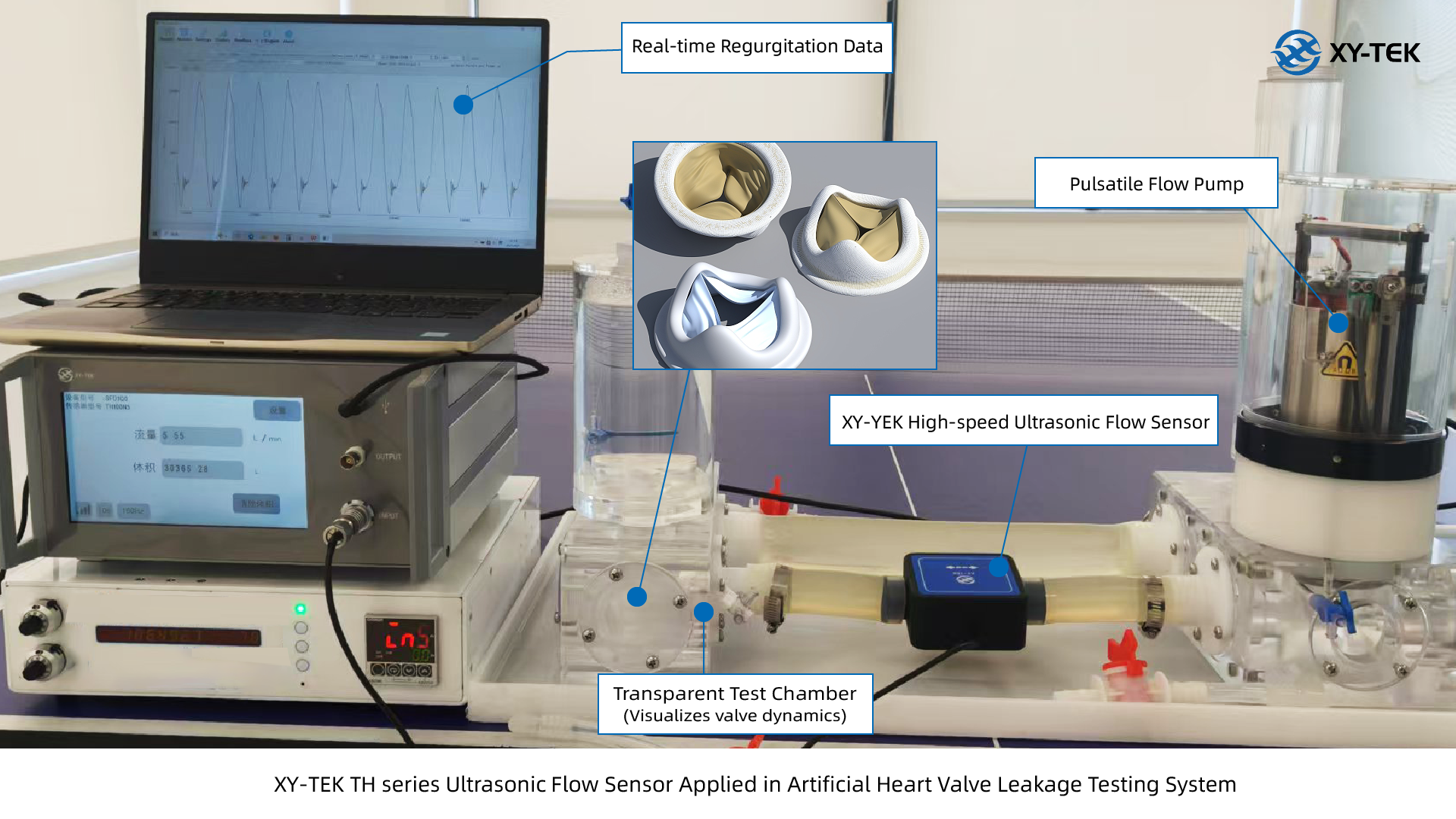
To obtain authentic pulsatile flow data, a measurement pipeline with minimal fluid disturbance is essential. The TH series ultrasonic flow sensors are designed with a straight-through pipe structure. The internal flow path of the sensor is smooth, containing no moving parts, abrupt constrictions, or measurement dead zones. This design preserves the original flow field to the greatest extent, ensuring that as the test medium passes through the sensor, its velocity profile and flow state experience almost no additional perturbation, thus maintaining the inherent hydrodynamic characteristics of the pulsatile flow. For medical testing scenarios that require frequent cleaning, sterilization, or the use of biological simulation fluids, the straight-tube structure with no dead zones not only significantly reduces the risk of fluid residue and cross-contamination but also substantially minimizes the possibility of measurement deviations caused by particle accumulation or scaling during long-term experiments. This provides a reliable physical foundation for high-reproducibility pulsatile flow testing.
In the monitoring of dynamic pulsatile flow, while preserving the physical characteristics of the fluid is vital, the system’s ability to capture transient changes and the efficiency of human-machine interaction are core to the testing experience. The TH series sensors, based on the ultrasonic Transit-Time Method, accurately calculate instantaneous flow velocity by alternately transmitting and receiving high-frequency ultrasonic signals on both sides of the flow channel and utilizing the propagation time difference between the upstream and downstream signals. Due to the high temporal resolution of ultrasonic signal acquisition and processing, the system achieves millisecond-level sampling, enabling real-time capture of instantaneous fluid dynamic changes. To provide engineers with an intuitive grasp of the test status, the TH series host unit is equipped with a high-sensitivity touchscreen display. Engineers can directly configure parameters on the terminal screen without relying on complex computer-based software, and view the complete dynamic pulsatile waveform plotted from high-frequency data in real-time, allowing for intuitive analysis of key data such as maximum flow, minimum flow, and frequency within each pulsatile cycle.
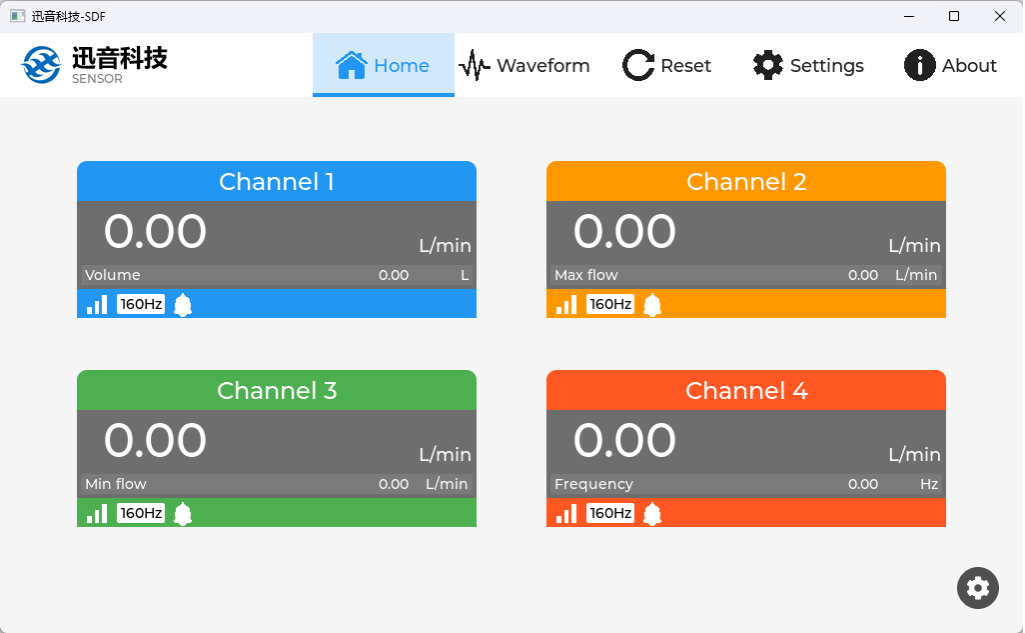
To further meet the demands of complex medical experiments and multi-channel parallel testing, the TH series also boasts good system expandability, with a single host unit supporting up to four channels simultaneously. In scenarios such as multi-branch vascular simulation, multi-channel shunt testing in cardiopulmonary bypass, or parallel comparative experiments on multiple components of the same model, the 4-channel design allows engineers to perform synchronous data acquisition and comparative analysis of multiple fluid streams using a single device. This multi-channel synchronicity not only significantly enhances laboratory testing efficiency but also effectively avoids data phase deviation issues caused by time differences in data acquisition from multiple independent devices.
In addition to high-speed unidirectional response and multi-channel parallel acquisition, complex medical pulsatile flow testing often involves monitoring changes in flow direction and media status. For example, in heart valve regurgitation testing, the minute reverse flow generated at the moment a valve closes is crucial for evaluating its sealing performance. The TH series sensors are capable of sensitive bidirectional flow measurement, enabling them to record and differentiate between the cumulative volumes of forward and reverse flow. This helps test personnel to accurately calculate the regurgitant fraction and net output volume. Concurrently, in extracorporeal circulation and high-precision fluid experiments, the intrusion of micro-bubbles can not only cause temporary anomalies in measurement signals but also potentially damage the test samples or the experimental system. The sensor’s integrated bubble recognition mechanism can, under most operating conditions, perceive the presence of bubbles in the flow path in real-time without interrupting flow monitoring, adding a necessary safety monitoring dimension to complex fluid dynamics experiments.
From the in-vitro hydraulic evaluation of medical devices to laboratory-based hemodynamic simulations, pulsatile flow measurement is not just a breakthrough in technical specifications but an engineering replication of physiological reality. Through its low-resistance flow path design, millisecond-level ultrasonic response speed, and multi-dimensional waveform information outputs, the TH series straight-through ultrasonic sensor provides medical engineering R&D teams with a non-disruptive, high-resolution, and highly reliable dynamic measurement solution. By converting complex instantaneous velocities into precise and readable data graphs, the sensor is helping engineers to better understand the interactions between fluids and medical devices, providing a solid data foundation for the technological iteration of next-generation medical equipment.
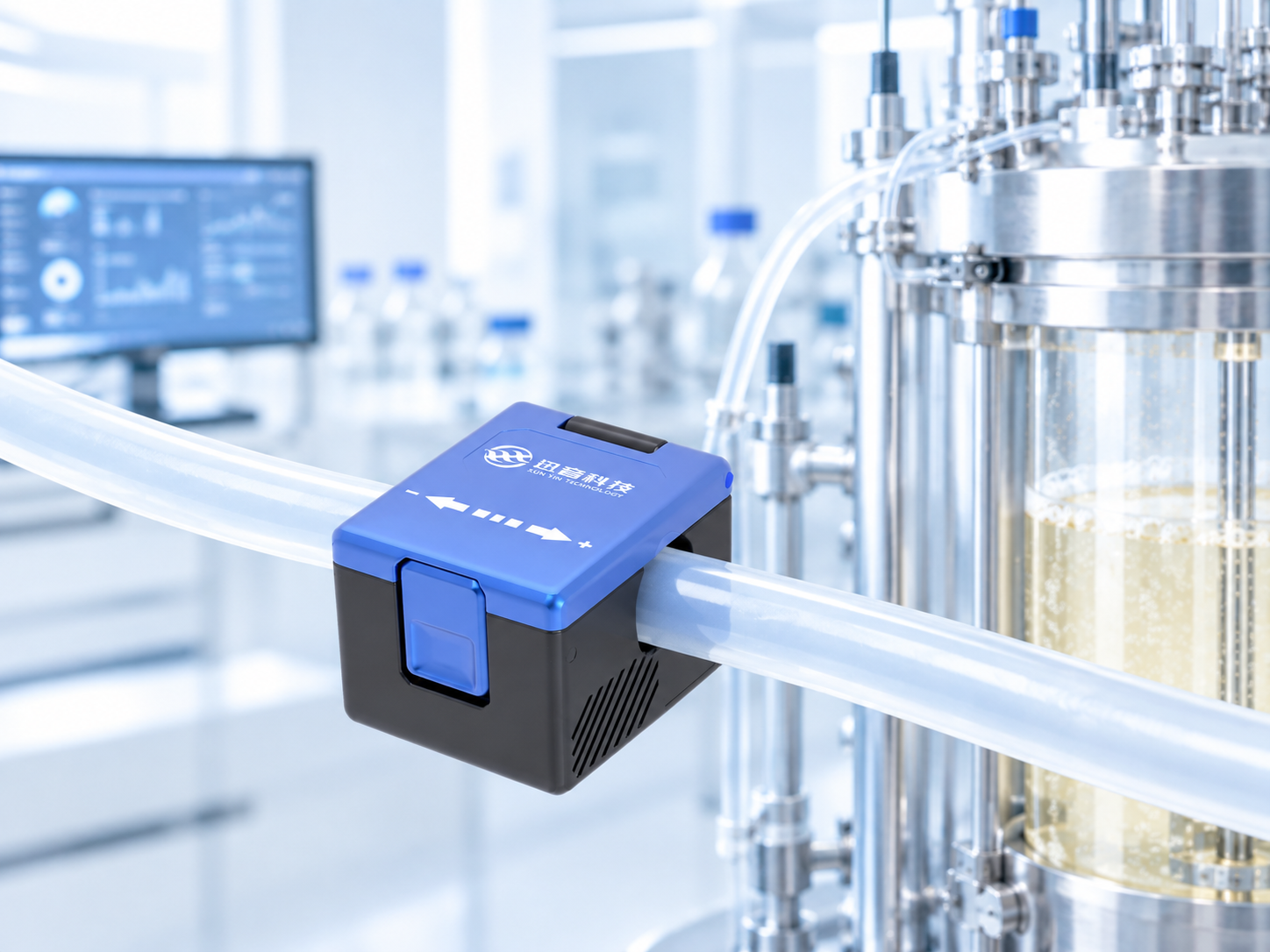
In biopharmaceuticals, fermentation and cell culture represent the upstream core of the entire process chain. Subsequent downstream purification and formulation steps rely heavily on upstream operations to deliver consistent, qualified harvest fluids. The fermentation process itself is a dynamic biochemical reaction system requiring continuous substrate feeding, precise pH and dissolved …
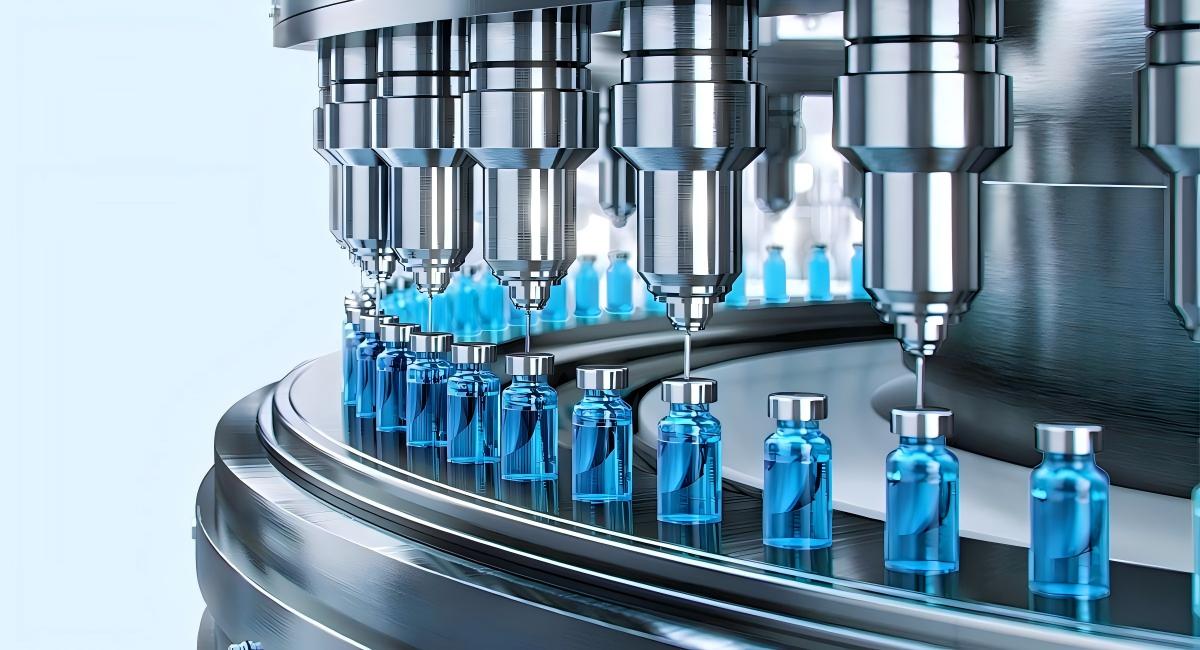
In the long biopharmaceutical manufacturing chain, aseptic filling is often called the “last mile.” For products such as monoclonal antibodies, recombinant proteins, and vaccines, the highly purified drug substance—after upstream processing and downstream purification—must ultimately be dispensed into vials, pre-filled syringes, or cartridges with extreme precision and under sterile conditions.
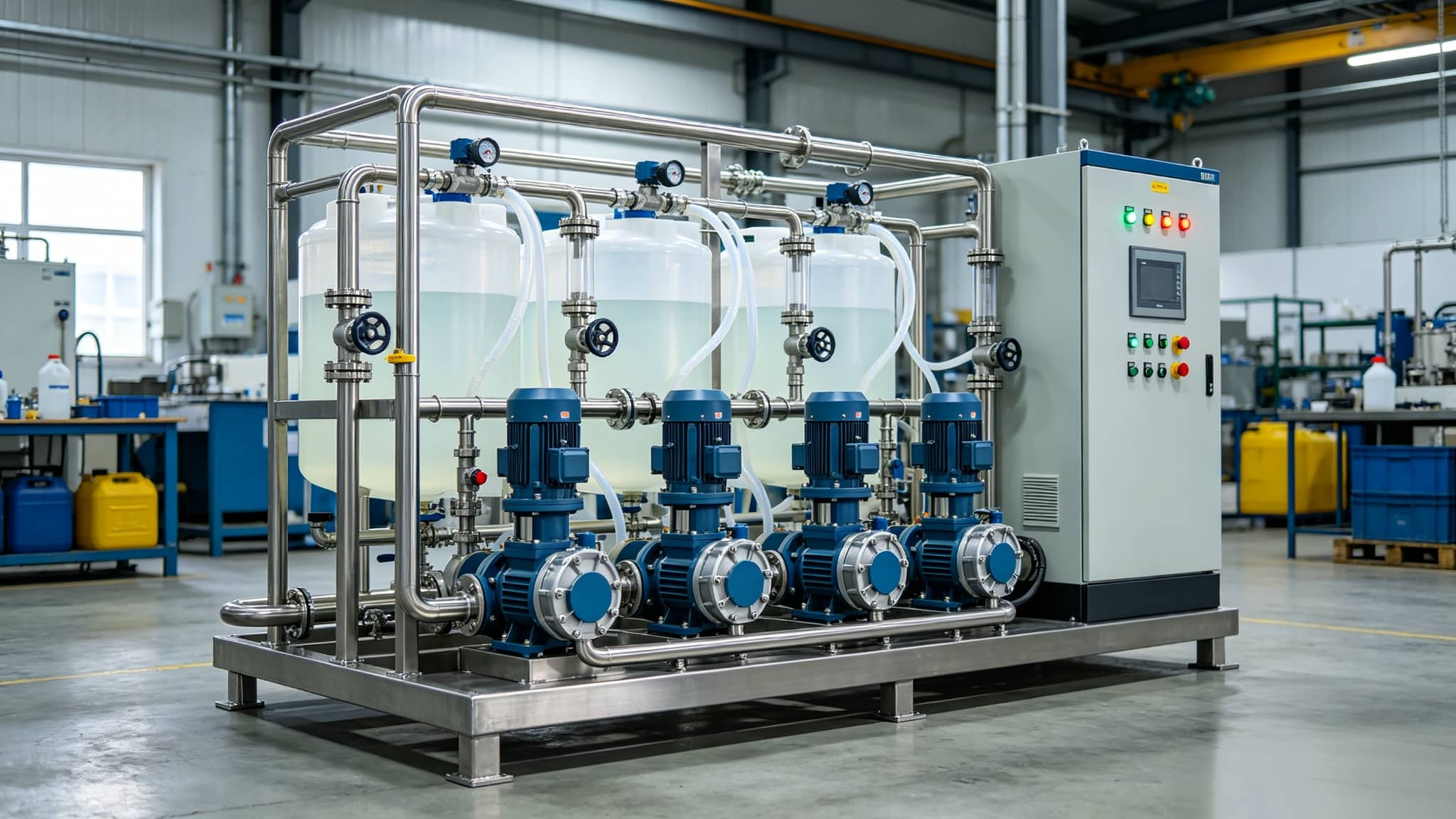
Blog XY-TEK is a high-tech company specializing in the development, manufacturing, and sales of accurate and reliable ultrasonic flow sensors/flow meters. We specialize in flow rate measurement for small tubing and low flow rates in medical devices, bioprocessing, beverage and drink filling, industry automation, etc. XY-TEK also offers ultrasonic flow …
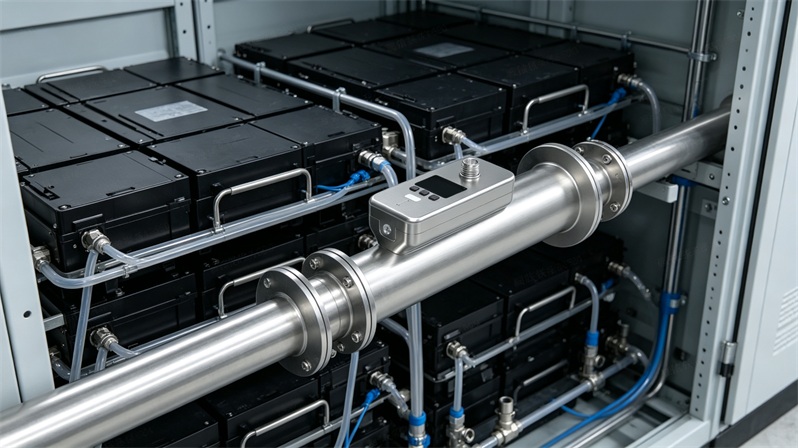
Against the backdrop of the global energy transition towards clean and low-carbon structures, electrochemical Energy Storage Systems (ESS) are experiencing large-scale deployment. As the energy density of individual battery cells and overall systems continues to rise, thermal management during charge and discharge cycles has become a core factor impacting system …