
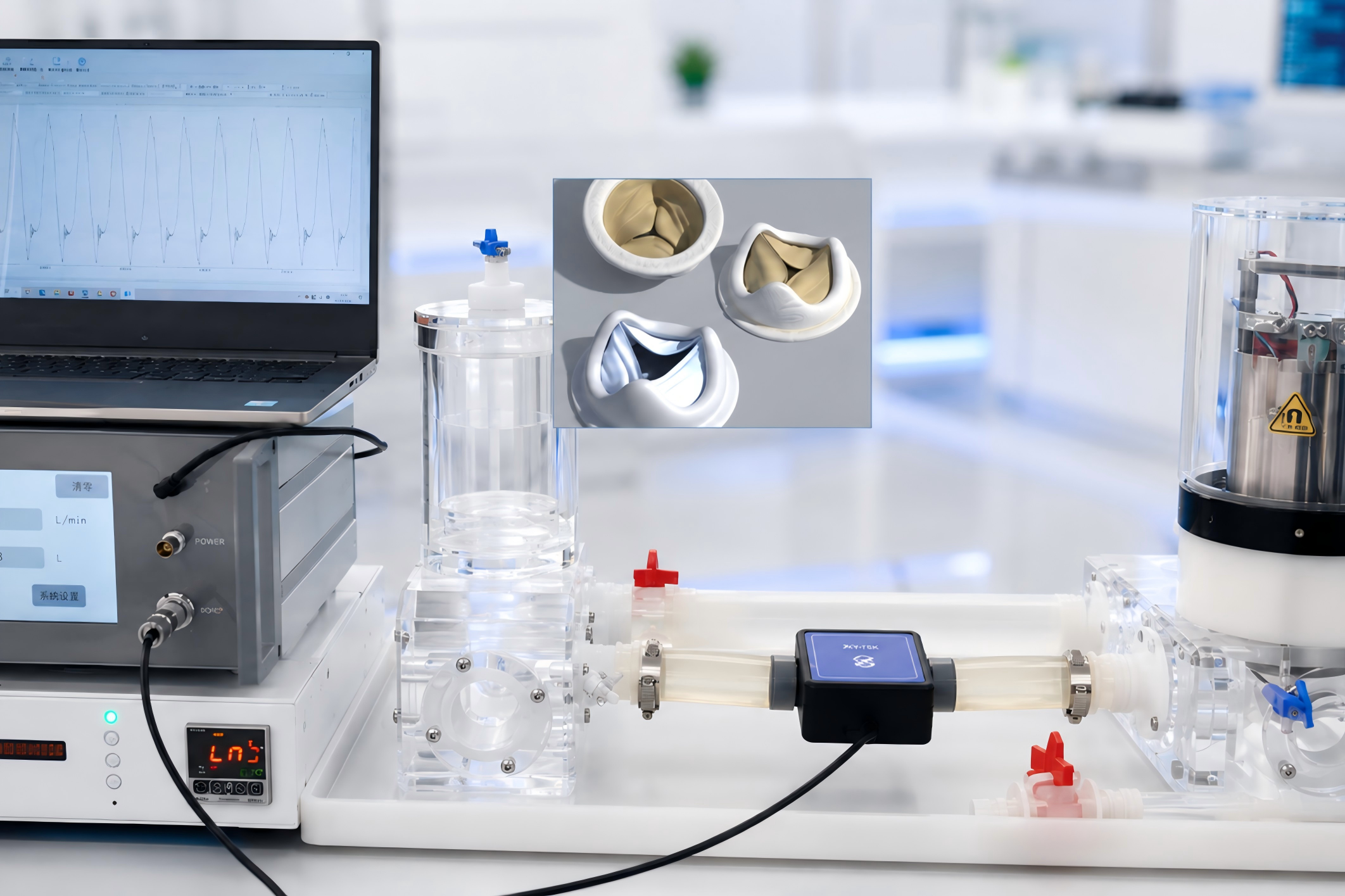
In the human circulatory system, blood flow differs significantly from the steady-state flow found in industrial pipelines. Driven by the rhythmic contractions and relaxations of the heart, blood flow naturally exhibits pronounced pulsatile characteristics, with its velocity, pressure, and flow rate undergoing periodic changes at the millisecond level. In the …
In industrial settings, whether a flow sensor performs well depends not only on measurement accuracy and long-term stability, but also on a frequently underestimated dimension — data output capability. Once a sensor measures flow, the data must ultimately be transmitted to a PLC, DCS, or host computer to participate in logic control, trend recording, and alarm interlocks. If the output interface is mismatched or the communication protocol is incompatible, even the most accurate sensor becomes difficult to use in a project. Ensuring that sensors can efficiently, reliably, and seamlessly integrate into a customer’s existing system architecture is a critical consideration for equipment manufacturers.
XY-TEK deeply understands this. We believe that providing high-performance ultrasonic flow measurement is the foundation, but it is equally important to provide flexible and diverse “data languages,” transforming the sensor into an intelligent terminal capable of “speaking.” This not only simplifies integration and reduces costs but ultimately empowers customers with precise decision-making and efficient operations. All our product series feature standardized electrical connection methods, which serve as the foundation for establishing a reliable digital link between the sensor and the customer’s controller or PC. We also offer a USB Data Converter as an optional accessory, delivered with dedicated software that allows customers to monitor data and configure parameters directly.
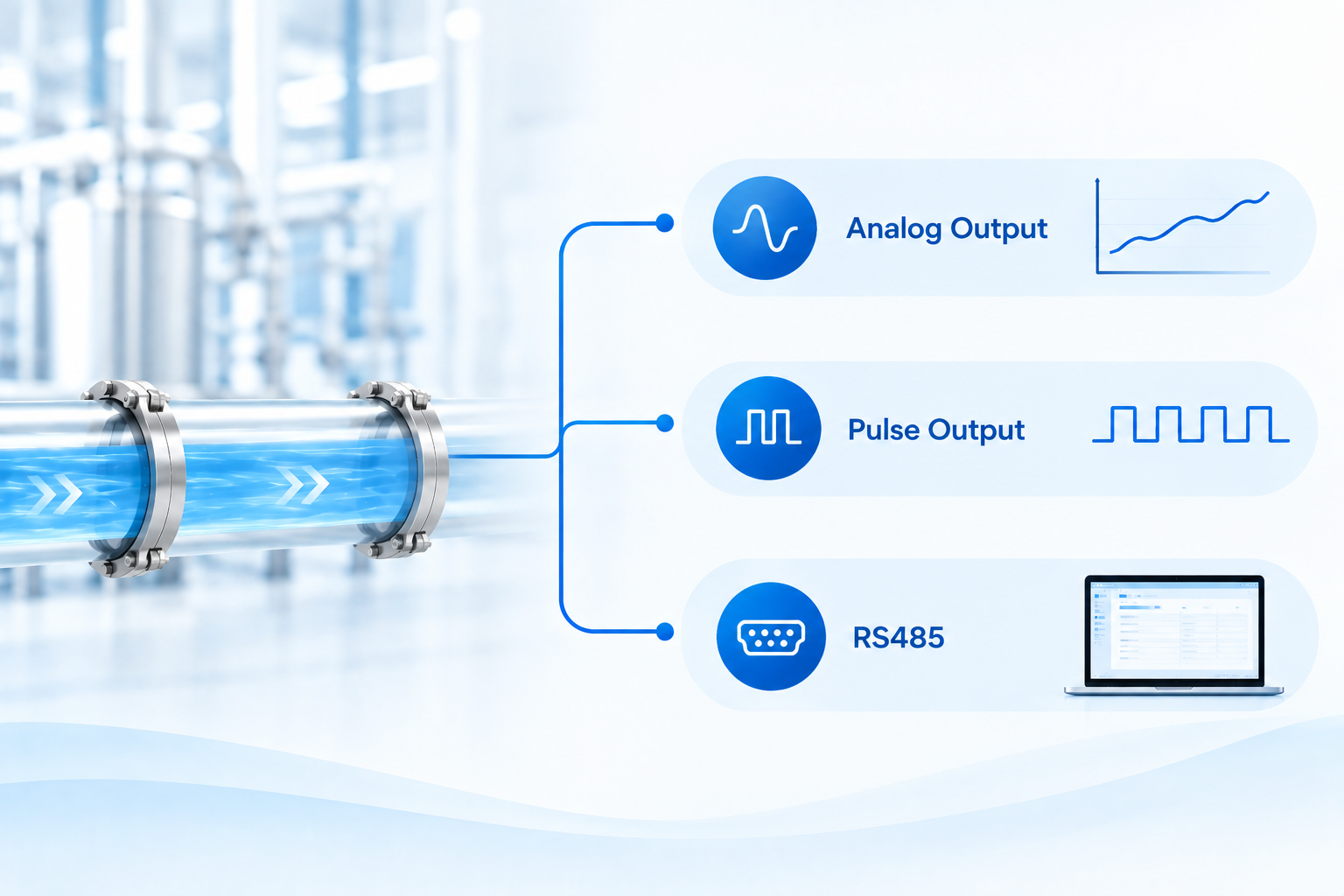
In most conventional automation equipment (such as water treatment skids, chemical dosing systems, and cleaning stations), engineers’ demands for signal interfaces are often diverse. Sometimes continuous linear data is required for closed-loop control, while other times, a crisp, immediate switch signal is needed for limit alarms. XY-TEK’s flagship product lines—including the clamp-on CG, CPD, and CS series, the in-line TPD, TPK, and TAD series, and the micro-flow TGU series—are all equipped with a composite output matrix as standard.
First is the classic analog output (current or voltage signal). In factory environments, current output remains the preferred choice for long-distance transmission of continuously varying flow rate data. Common current signals include 0–20mA, 4–20mA, etc.. Among them, 4–20mA is the process control standard; it features a “live zero” that enables wire-break detection, and its signal value is unaffected by line voltage drops caused by wire resistance. It can be directly connected to the analog input channels of traditional Variable Frequency Drives (VFDs) or analog acquisition cards, facilitating the smooth regulation of pumps and valves.
Digital pulse and switch outputs (NPN, PNP, and Push-Pull outputs) primarily fulfill the requirements for high-speed response and real-time state determination. For batch dosing and millisecond-level filling systems, the controller acquires high-frequency pulse signals from the sensor to calculate cumulative flow, where the steepness of the pulse edges and the signal response delay are critical metrics. The Push-Pull output offers stronger sinking and sourcing current drive capabilities; it requires no external pull-up or pull-down resistors and can actively output both high and low logic levels. XY-TEK’s BG series bubble sensors employ a Push-Pull architecture, allowing for a rapid output state switch the moment a bubble is detected in the pipeline. The CPD, CS, TPD, and TPK series support switching between PNP and NPN output modes, easily adapting to the input circuit conventions of controllers used across different regions, such as Europe and Asia.
With the advancement of Industry 4.0 and distributed equipment architectures, the RS485 bus (running the Modbus-RTU protocol) is becoming increasingly prevalent in multi-node flow monitoring scenarios. Unlike traditional point-to-point analog transmission, RS485 utilizes differential signal transmission, delivering exceptional electromagnetic interference (EMI) suppression. Beyond transmitting instantaneous flow rates, RS485 can simultaneously upload diagnostic metadata such as cumulative flow and bubble alarm status, significantly expanding the perceptual dimensions of supervisory systems. XY-TEK’s CM series clamp-on sensor focuses primarily on RS485 digital output, eliminating redundant analog output circuits to lower single-point hardware costs and power consumption.
In engineering selection, equipment manufacturers should choose the most appropriate output format based on the characteristics of their control architecture and actual application needs. For XY-TEK, providing stable and adaptable interface logic is just as important as delivering high-precision measurement algorithms. We look forward to collaborating with global equipment manufacturers with an open mindset, jointly exploring further possibilities for fluid measurement in the smart era, and driving the iterative upgrade of fluid control systems toward digitalization and intelligence.
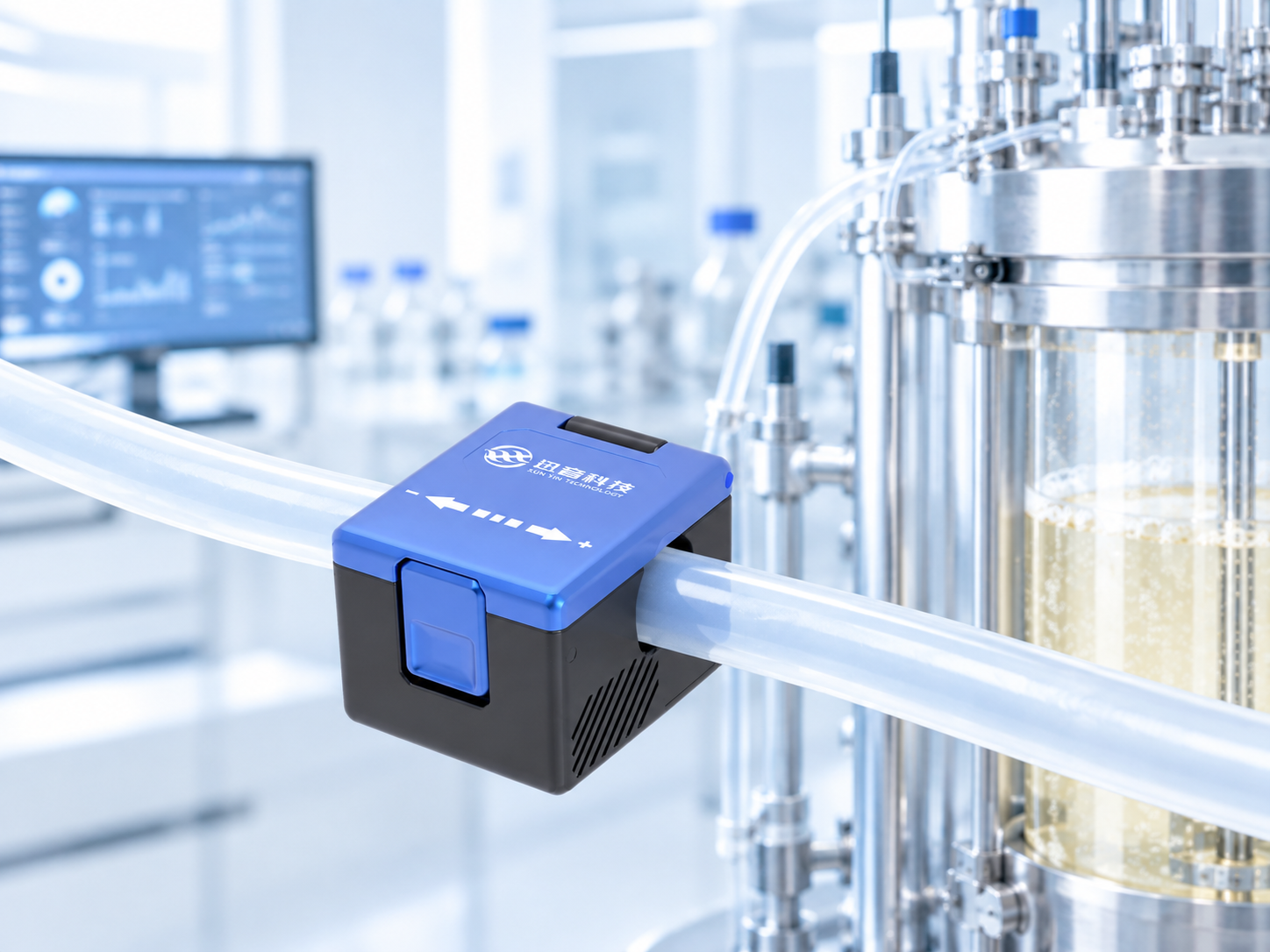
In biopharmaceuticals, fermentation and cell culture represent the upstream core of the entire process chain. Subsequent downstream purification and formulation steps rely heavily on upstream operations to deliver consistent, qualified harvest fluids. The fermentation process itself is a dynamic biochemical reaction system requiring continuous substrate feeding, precise pH and dissolved …
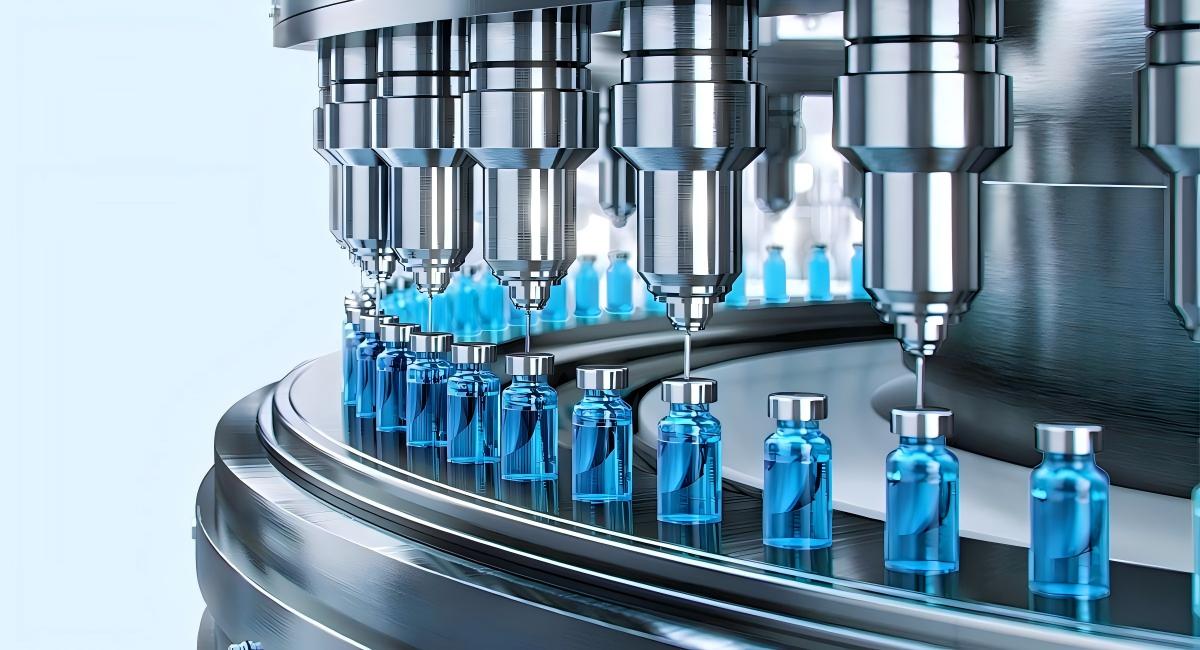
In the long biopharmaceutical manufacturing chain, aseptic filling is often called the “last mile.” For products such as monoclonal antibodies, recombinant proteins, and vaccines, the highly purified drug substance—after upstream processing and downstream purification—must ultimately be dispensed into vials, pre-filled syringes, or cartridges with extreme precision and under sterile conditions.
Blog XY-TEK is a high-tech company specializing in the development, manufacturing, and sales of accurate and reliable ultrasonic flow sensors/flow meters. We specialize in flow rate measurement for small tubing and low flow rates in medical devices, bioprocessing, beverage and drink filling, industry automation, etc. XY-TEK also offers ultrasonic flow …