
For core measurement components like flow sensors, custom development is far more than a simple modification of the housing or software. It tests a supplier's full-chain comprehensive capabilities, from fundamental technology R&D and flexible manufacturing to rigorous quality control. This article will use XY-TEK as an example to explore how …
In the fine chemical industry—whether it is the micro-dosing of flavors and fragrances, the continuous injection of polymer additives, or chemical treatment in industrial water systems—production processes are shifting from “manual valve adjustments based on experience” to “data-driven precision control.”
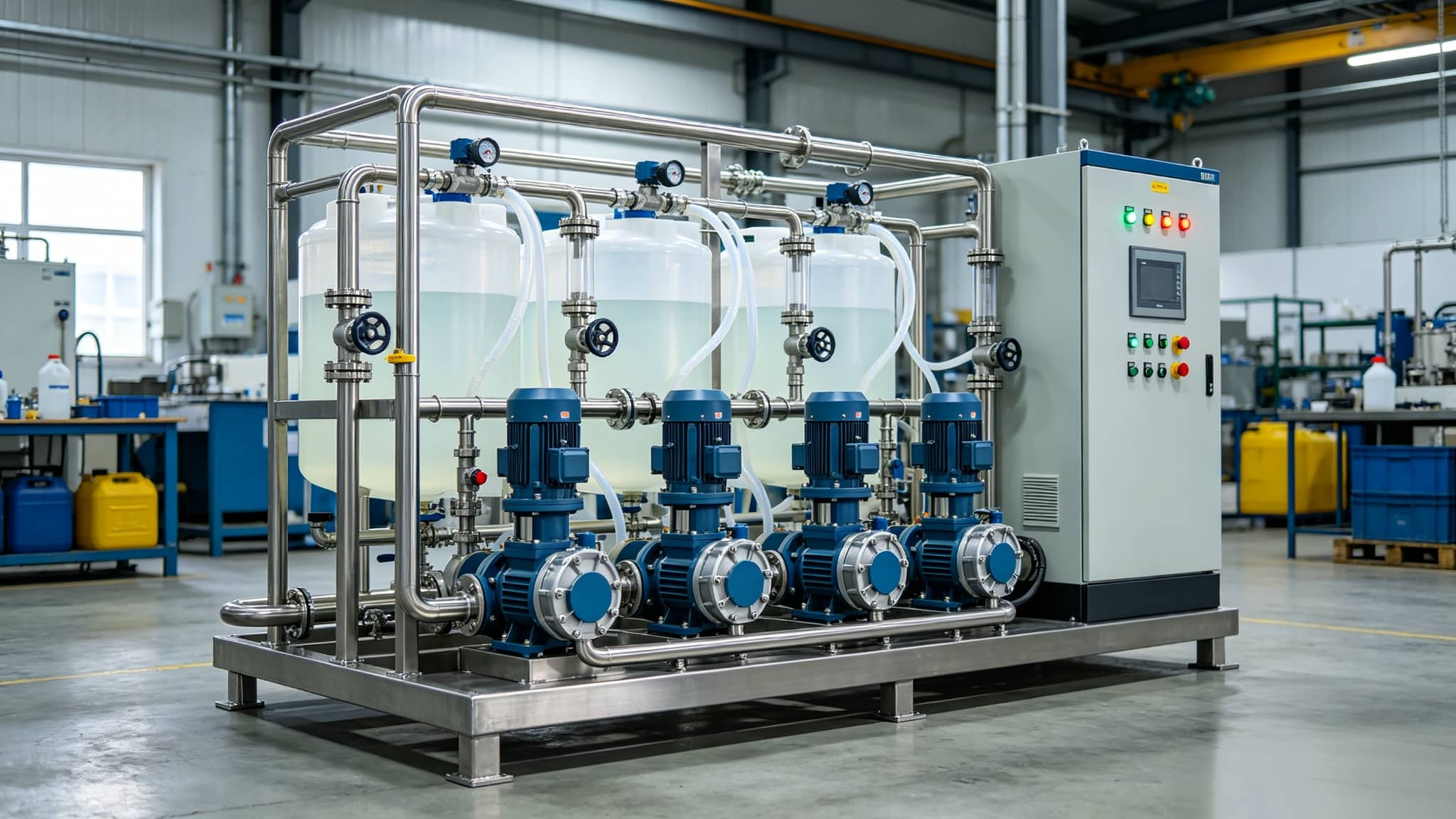
The Automated Dosing System is the cornerstone of this transition. Precision is paramount: under-dosing leads to incomplete chemical reactions or sub-standard water quality; over-dosing not only wastes expensive chemicals but also risks secondary environmental contamination. Therefore, selecting the right flow sensor to capture flow rate stably and in real time under complex field conditions directly determines the automation performance of the dosing skid or system.
- Engineering Challenges in Fine Chemical Dosing
Automated chemical dosing is far more than mere liquid transfer; it is essentially a highly controllable “micro-proportional chemical reaction process.” However, engineers frequently face four major challenges in actual production:
- Capturing “Titration-Grade” Micro-Flows: In laboratory automation or high-value additive injection, flow rates often drop to the mL/min level. Traditional flow meters fail to provide linear readings in this range due to mechanical friction and high minimum startup velocities.
- Media Corrosion and Contamination: Dosing systems handle corrosive media including acids, bases, oxidizing biocides (e.g., sodium hypochlorite), coagulants/flocculants (PAC/PAM), and scale inhibitors. Wetted materials must exhibit superior chemical compatibility.
- Long-Term System Reliability: Pipe blockages caused by chemical crystallization severely interfere with meter accuracy and can even damage sensors.
- Space Constraints and Maintenance Costs: Modern dosing skids are increasingly compact and modular, leaving minimal space for sensor installation while requiring maintenance-free operation to reduce unplanned downtime.
- Why Choose Ultrasonic Flow Measurement?
Ultrasonic technology based on the Transit-Time Method addresses these operational pain points through its non-contact measurement capability and moving-part-free physical architecture:
- High-Responsiveness Closed-Loop Precision Control: Ultrasonic sensors detect micro-changes in fluid dynamics within milliseconds, delivering continuous, high-precision feedback to control systems. This allows metering pumps or control valves to make instantaneous micro-adjustments based on real-time reactor conditions, locking chemical proportions within the optimal range.
- Foundational Data for Predictive Maintenance: Without internal moving parts susceptible to wear, the measurement baseline remains exceptionally stable over time. By monitoring long-term flow data trends (such as abnormal flow velocity attenuation), the system can foresee pump wear or piping scaling tendencies, triggering alerts before failures occur and enabling a shift from “reactive repair” to “predictive maintenance.”
- XY-TEK’s Multi-Dimensional Product Portfolio
To meet varying operational challenges, XY-TEK has developed a comprehensive product line covering both in-line and non-invasive clamp-on designs to suit different nodes within chemical dosing systems.
3.1 Millimeter-Level Micro-Flow Control: TGU Series
For ultra-low flow dosing requirements in laboratory equipment and fine chemical processes, the TGU Series offers a targeted technical solution:
- U-Shaped Flow Channel: At extremely low flow rates, conventional ultrasonic transit-time signals are exceedingly weak. The TGU series incorporates a unique U-shaped internal channel that extends the ultrasonic measurement path through the fluid, successfully pushing the lower measurement limit down to 1 mL/min.
- Anti-Corrosive Materials: The wetted channel and seals are constructed from high-performance materials, featuring exceptional chemical inertness and biocompatibility, ensuring the sensor resists harsh corrosive media without leaching impurities into high-purity chemicals.
3.2 The Non-Invasive Safety Barrier: CPD & CS Series
For highly corrosive media or applications requiring strict hygienic integrity, non-invasive measurement represents the safest solution for preserving system integrity:
- CS Series: Purpose-built for dense cabinet piping (compatible with PFA, PTFE, and various plastic rigid tubes). The clamp-on mechanism requires no pipe cutting, completely eliminating the risk of leakage caused by aging joints. It is the ideal choice for compact dosing cabinets.
- CPD Series: Building upon clamp-on convenience, the CPD series integrates a local LCD display and user interface. Field engineers can directly observe real-time flow rate and totalized volume. Supporting RS485, pulse, and current outputs, it enhances integration efficiency for digital dosing systems.
3.3 Reliable In-Line Solutions: TPK, TPD, and TAD Series
In main circulation loops or high-throughput replenishment points of dosing units, in-line ultrasonic sensors play a vital role thanks to their high repeatability and structural stability:
- TPK / TPD Series: Featuring high-strength ABS or engineering plastic housings, these models offer a lightweight and cost-effective solution. The straight-through round tube design minimizes pressure loss, avoiding unnecessary pump energy consumption. The TPD model includes a built-in display for convenient on-site adjustment.
- TAD Series: With an all-stainless-steel structure, the TAD series provides outstanding pressure resistance and mechanical strength, making it suitable for demanding conditions where system pressure and structural robustness are critical.
As modern industry moves toward greater efficiency, safety, and automation, precise flow measurement is a fundamental building block for process optimization. XY-TEK’s ultrasonic flow sensors—available in multiple form factors and performance levels—help resolve the real-world challenges in dosing systems, including accurate micro-flow measurement, corrosion resistance, and ease of installation in retrofit projects. They provide the reliable flow data that fine chemical and other industrial automation applications depend on.
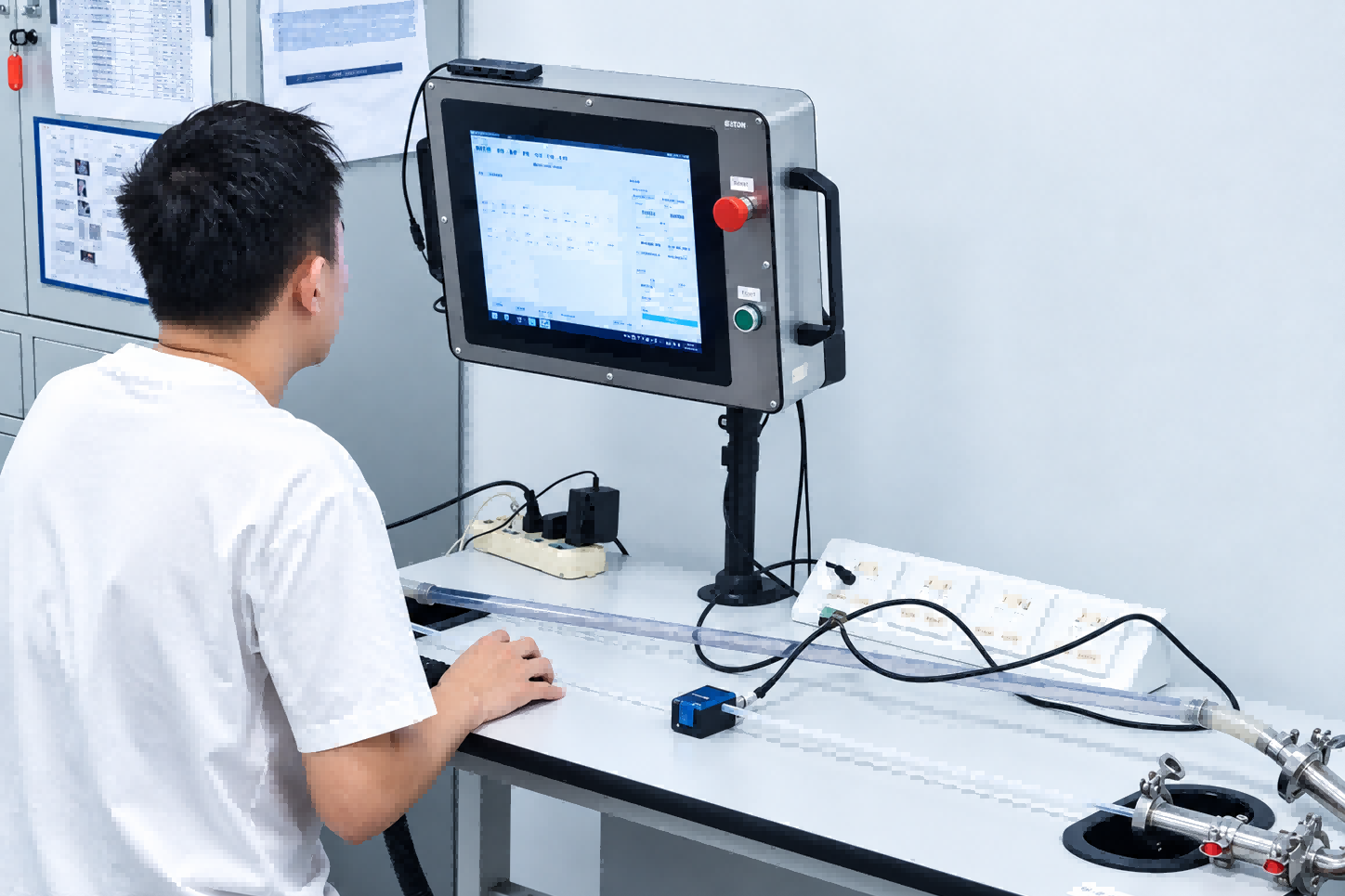

In traditional industrial automation control, flow sensors were once regarded merely as basic measurement terminals. In most engineering scenarios, their primary function was to capture real-time flow readings at specific points on pipelines and transmit the collected signals to host computers for simple logic control or closed-loop regulation. This single-point …
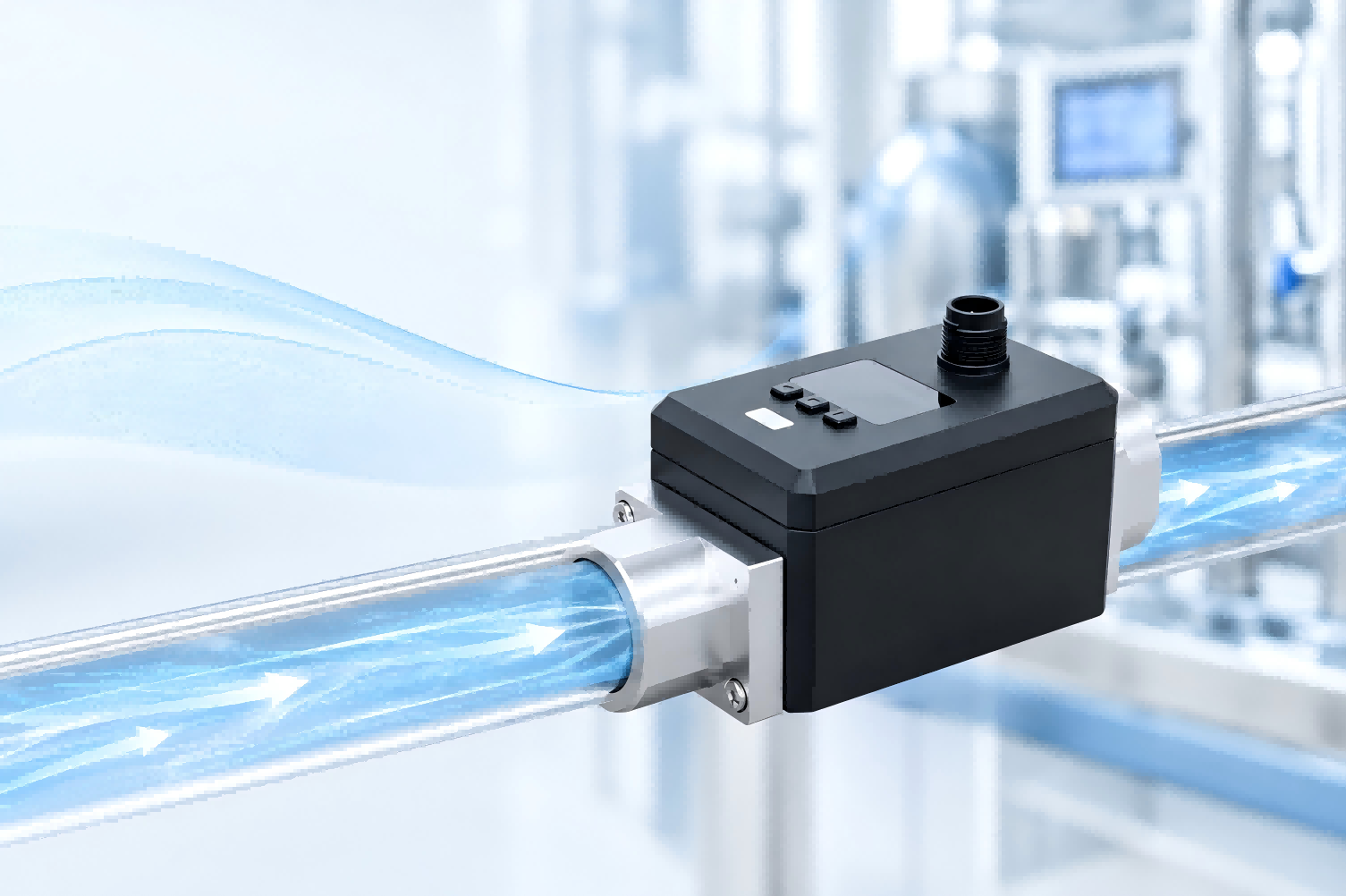
In industrial settings, the maintenance issues associated with flow meters are often underestimated. Many equipment managers may have had similar experiences: after a period of use, the bearings of a turbine flow meter wear out, leading to measurement deviations; the electrodes of an electromagnetic flow meter become fouled, requiring disassembly …

XY-TEK has been committed to serving both domestic and international markets since its inception. Over the years, we have built strong, long-term partnerships with clients worldwide, continuously adapting our fluid measurement solutions to diverse international markets and demanding operational scenarios.
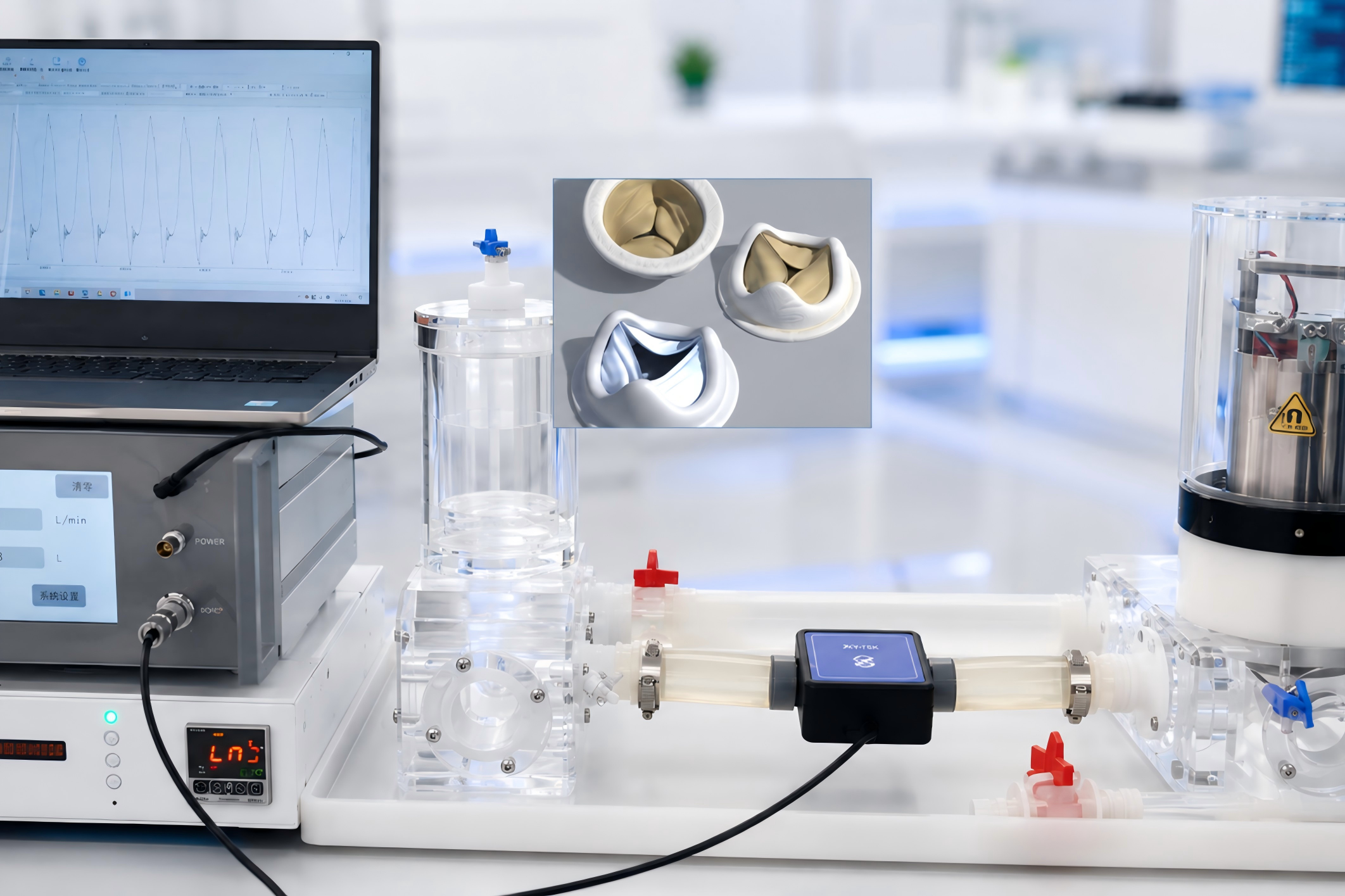
In the human circulatory system, blood flow differs significantly from the steady-state flow found in industrial pipelines. Driven by the rhythmic contractions and relaxations of the heart, blood flow naturally exhibits pronounced pulsatile characteristics, with its velocity, pressure, and flow rate undergoing periodic changes at the millisecond level. In the …