Coolant Types and Flow Sensor Selection
Abstract
As rack power density in data centers exceeds 30 kW, energy storage systems scale toward GWh levels, and EV fast-charging power moves toward 600 kW, liquid cooling has become the core thermal management solution for high-power-density equipment. This report systematically analyzes coolant selection logic and flow sensor compatibility across five major application scenarios: data centers, energy storage, EV battery thermal management, charging stations, and industrial automation. It also examines the unique advantages of ultrasonic flowmeters in liquid cooling systems. The study concludes that ultrasonic flowmeters, with their non-contact measurement, broad medium compatibility, zero pressure loss, and absence of moving parts, are becoming the ideal choice for flow monitoring in liquid cooling applications.
1.Liquid Cooling Technology
Liquid cooling technology is rapidly gaining adoption across high-power-density industries due to its superior heat transfer performance. From traditional data centers to emerging energy storage systems, from electric vehicles to ultra-fast charging stations, liquid cooling has evolved from an “optional solution” to a “mandatory technology.”
1.1 Market Scale and Key Drivers
According to the Panoramic Research on the Liquid Cooling Industry in Intelligent Computing Centers released by the China Academy of Information and Communications Technology (CAICT) in 2025, the penetration rate of liquid cooling in intelligent computing centers is expected to exceed 40% in 2025 and continue to grow rapidly.
Key driving factors include:
1)Explosive growth in AI computing demand: Single GPU chip power consumption has risen from 400 W in 2020 to over 1000 W today
2)Stricter PUE regulations: China’s “East Data, West Computing” policy imposes mandatory energy efficiency requirements on data centers.
3)Upgraded safety standards for energy storage: Liquid cooling systems have become standard in large-scale energy storage stations.
4)Ultra-fast charging technology advancement: 600 kW+ liquid-cooled ultra-fast charging stations are being deployed at an accelerated pace.
2. In-Depth Analysis of Mainstream Coolant
As the core heat transfer medium in liquid cooling systems, coolant selection directly affects system efficiency, safety, and maintenance costs. The following analysis examines the four major coolant types from the perspectives of technical characteristics, application scenarios, and advantages/disadvantages.
2.1 Comparison of Four Mainstream Coolant Types
|
Coolant Type
|
Main Composition
|
Core Advantages
|
Main Disadvantages
|
Typical Applications
|
|
Deionized Water (DI Water)
|
Conductivity <1 μS/cm,
treated by ion exchange resin
|
High specific heat capacity
High thermal conductivity
Very low cost
Non-corrosive
|
Conductivity may increase, risking short circuits
Requires deionization equipment
Freezing point at 0°C
|
Data centers
Cold-plate liquid cooling
Immersion liquid cooling
|
|
Ethylene Glycol Solution (EG)
|
Ethylene glycol +
deionized water (25%–60%)
|
Freezing point as low as -40°C
Inhibits bacterial growth
Moderate cost
|
High viscosity increases pump power
Oxidation produces corrosive acids
Additives require periodic replacement
|
Energy storage systems
Electric vehicles
Industrial cooling
|
|
Propylene Glycol Solution (PG)
|
Propylene glycol + deionized water (30%–50%)
|
Low toxicity, more environmentally friendly
Resistant to oxidation
Food-grade safety
|
Higher cost than ethylene glycol
Higher viscosity
May degrade at high temperatures
|
EV battery cooling
Pharmaceutical & food cooling
Safety-sensitive applications
|
|
Dielectric Coolant
|
Fluorinated liquids, mineral oil, silicone oil, etc.
|
Low/zero
conductivity
No short-circuit risk upon leakage
High electrical safety
|
Lower specific heat capacity
High cost
Some have GWP concerns
|
Immersion liquid cooling
High-voltage electrical equipment
Direct server cooling
|
2.2 Key Considerations for Coolant Selection
In practical engineering applications, coolant selection requires comprehensive evaluation of the following factors:
1)Thermal Performance: Specific heat capacity and thermal conductivity determine heat absorption per unit temperature rise and heat exchange efficiency.
2)Fluid Properties: Viscosity directly affects pump power consumption and pipeline pressure drop; density influences inertial load。
3)Safety Level: Conductivity determines the risk of damage to electronic equipment in case of leakage.
4)Environmental Adaptability: Freezing and boiling points define the applicable temperature range.
5)Material Compatibility: Must be compatible with all wetted materials (pipes, seals, sensors) over the long term.
6)Maintenance Cost: Service life, replacement cycle, and frequency of additive replenishment.
3. In-Depth Analysis of Five Core Application Scenarios
3.1 Data Center Liquid Cooling
Scenario Characteristics and Coolant Selection
Data centers is highly demanding for liquid cooling. With AI computing demand surging, rack power density has increased from the traditional 10–20 kW to 30–50 kW, rendering air cooling insufficient. According to ZTE’s Liquid Cooling Technology White Paper (2022), liquid cooling has become essential for high-density data centers to achieve efficient heat dissipation and carbon neutrality goals.
Cold-plate liquid cooling (indirect): Coolant does not contact servers directly; heat is removed via cold plates.
Immersion liquid cooling (direct): Servers are fully submerged in dielectric coolant.
|
Technical Parameter
|
Cold-Plate Liquid Cooling
|
Immersion Liquid Cooling
|
|
Typical Coolant
|
Deionized water / Ethylene glycol solution
|
Fluorinated liquid / Mineral oil (dielectric)
|
|
Coolant Conductivity
|
Deionized water (non-conductive) / EG (low conductivity)
|
Must use dielectric fluid (completely non-conductive)
|
|
Retrofit Complexity
|
Medium (server modification required)
|
High (custom servers and tanks required)
|
|
Cooling Capacity
|
Up to 500 W+ per chip
|
Up to 1000 W+ (two-phase evaporation)
|
|
Safety
|
Medium (water leakage may cause short circuits)
|
High (dielectric fluid leakage poses no risk)
|
Flow Sensor Selection Considerations
According to VEGA’s 2025 sensor selection guide, key requirements include high measurement accuracy, low pressure loss, digital communication (IO-Link), and material compatibility (316L stainless steel).
3.2 Energy Storage System Liquid Cooling
Large-scale electrochemical energy storage stations have extremely stringent thermal management requirements. Lithium-ion batteries perform optimally at 25–35°C with temperature differences controlled within 5°C. Liquid cooling systems, primarily using ethylene glycol solutions (25%–50%), have become the standard configuration. Typical flow rates range from 2–8 L/min per battery cluster, with total system flow reaching hundreds of L/min.
3.3 EV Battery Thermal Management
Liquid cooling has become the mainstream technology for EV battery thermal management, with penetration exceeding 60%. Key coolant requirements include low toxicity, wide temperature range (-40°C to 60°C), long service life (8–10 years), and low conductivity. Typical flow rates are 1–5 L/min per module and 4–20 L/min for the system.
3.4 Charging Station Liquid Cooling
Liquid-cooled ultra-fast charging (400–600 kW+) uses specialized dielectric coolants (oil-based or synthetic esters) to keep charging gun and connector temperatures below 50°C. Flow monitoring is critical to prevent cooling failure.
3.5 Industrial Automation Liquid Cooling
Applications include CNC machines, laser processing, welding equipment, industrial robots, and injection molding machines. Coolants are used for cutting fluid monitoring, hydraulic oil flow, lubrication systems, and high-power laser cooling.
4. Comparison of Flow Sensor / Flow Meter Technologies
4.1 Comparison of Mainstream Flow Sensor / Flow Meter Technologies
|
Technology Type
|
Measurement Principle
|
Core Advantages
|
Main Limitations
|
Suitability for Liquid Cooling
|
|
Ultrasonic Flowmeter
|
Ultrasonic transit-time method
|
Non-contact, no obstruction, measures non-conductive media, zero pressure loss, no moving parts
|
Requires proper installation and acoustic coupling
|
Excellent (Recommended) – compatible with all coolants
|
|
Electromagnetic Flowmeter
|
Faraday’s law of electromagnetic induction
|
Independent of medium properties, no moving parts, high accuracy
|
Only measures conductive liquids
|
Suitable for DI water/EG, not for dielectric fluids
|
|
Turbine Flowmeter
|
Impeller rotation generates pulse signals
|
High accuracy, fast response
|
Moving parts wear out, may cause pressure loss
|
Suitable for clean media, higher maintenance
|
|
Coriolis Flowmeter
|
Coriolis force effect
|
Direct mass flow measurement, very high accuracy, measures density
|
Expensive, high pressure loss, installation sensitive
|
Suitable for high-precision needs; not recommended for cost-sensitive applications
|
|
Vortex Flowmeter
|
Karman vortex street principle
|
No moving parts, easy installation
|
Insensitive to low flow, pressure loss, fluid-dependent
|
Limited use in liquid cooling
|
4.2 Impact of Coolant Conductivity on Flow Sensor Selection
|
Coolant Type
|
Conductivity Range
|
Recommended Sensor
|
|
Deionized Water
|
<1 μS/cm (non-conductive)
|
Ultrasonic flowmeter (preferred)
|
|
Ethylene/Propylene Glycol Solutions
|
10–100 μS/cm (weakly conductive)
|
Ultrasonic flowmeter (recommended)
|
|
Fluorinated / Dielectric Coolants
|
<0.1 μS/cm (completely non-conductive)
|
Ultrasonic flowmeter (only choice)
|
|
Mineral / Synthetic Oil
|
Non-conductive
|
Ultrasonic flowmeter (recommended)
|
5. Unique Advantages of Ultrasonic Flowmeters in Liquid Cooling Systems
Ultrasonic flow sensors / flow meters demonstrate significant advantages in liquid cooling applications due to their unique measurement principle. They are compatible with deionized water, ethylene glycol, and non-conductive fluids.
5.1 Ultrasonic Flow Sensor / Flow Meter Technical Advantages
1.Capability to Measure Non-Conductive Coolants
Ultrasonic flowmeters operate on the transit-time difference technology and are independent of fluid conductivity, making them an ideal option for dielectric fluids flow rate measurement in immersion cooling.
2.Wide Temperature Range
Industrial-grade models typically support 0°C to 90°C, with some specialized versions covering -40°C to 200°C.
3.Non-Contact Flow Rate Measurement – Zero Leakage Risk
The CPD Clamp-on flow sensors / flow meters can be installed externally on the rigid plastic tubing wall, requiring no tube cutting or system shutdown and introducing no new leakage points.
4.Extremely Low Pressure Loss – Energy Efficient
No obstruction in the flow path, helping reduce pump energy consumption and improve PUE.
5.No Moving Parts – Long-Term Reliability
Eliminates wear-related drift, ideal for 24/7 continuous operation in data centers and energy storage systems.
6.Flexible Installation – Ideal for Retrofit Projects
Clamp-on flow sensor / flow meters enable deployment without disrupting existing pipelines, particularly valuable in “air cooling to liquid cooling” retrofit projects.
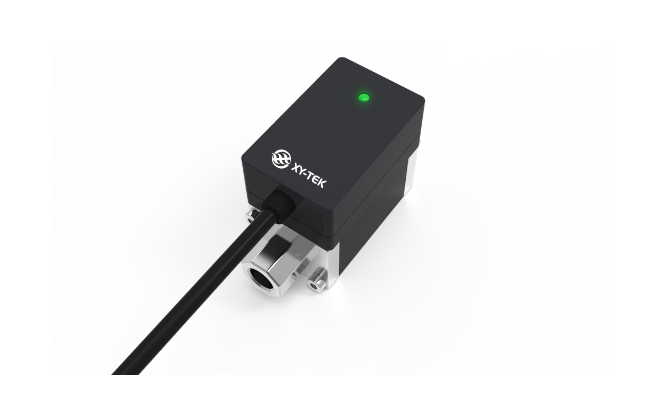
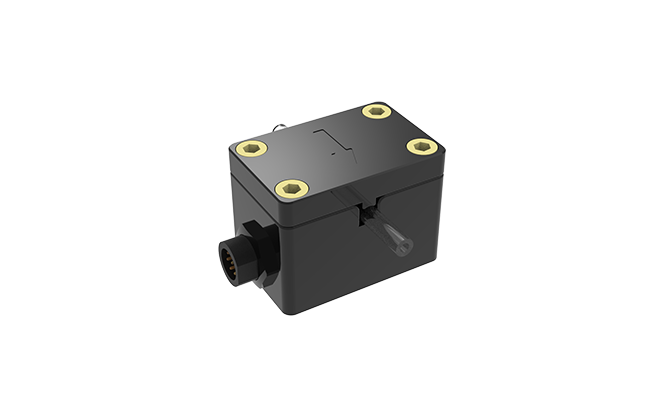
5.2 XY-TEK Ultrasonic Flow Sensor / Flow Meter for Liquid Cooling
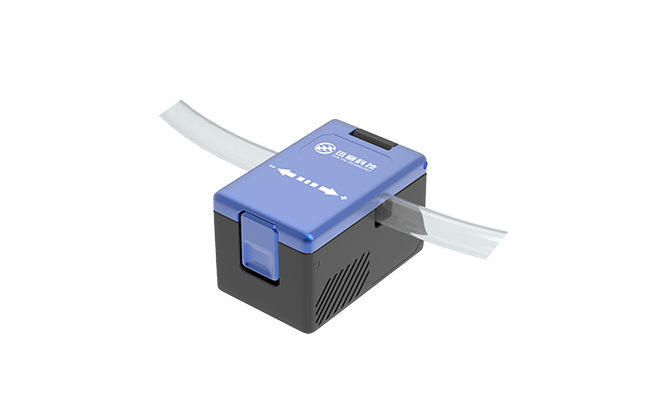
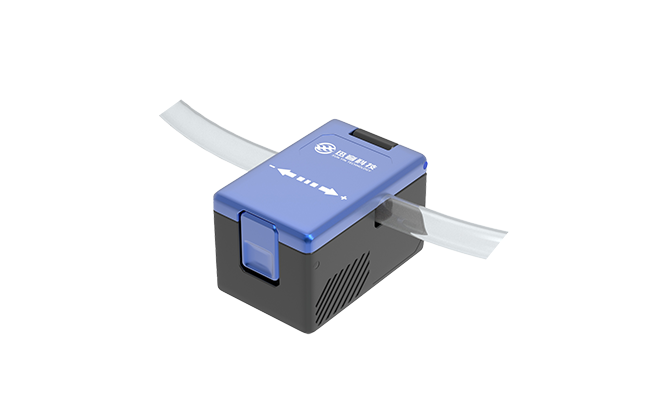
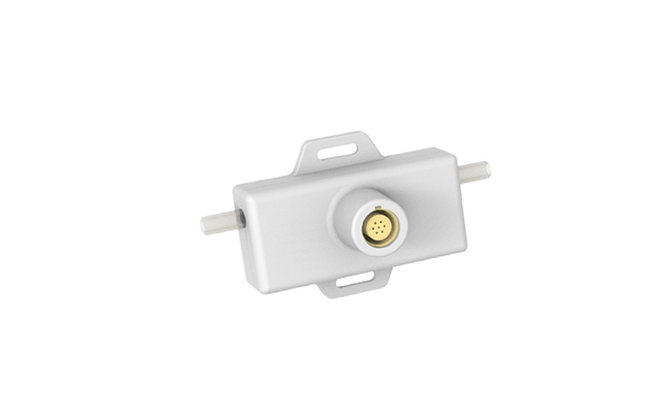
CPD series Clamp on Flow Sensor / Flow Meter
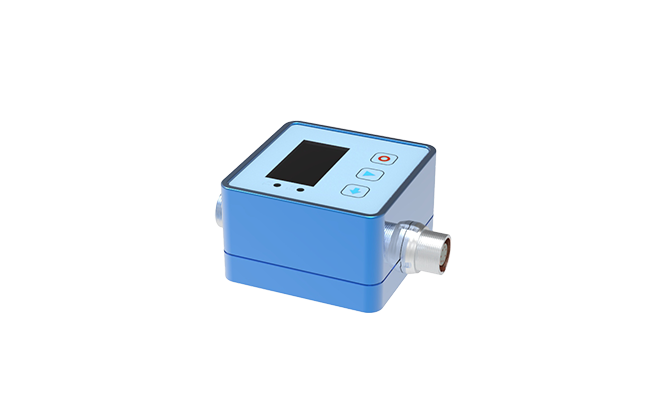
The CPD series clamp-on ultrasonic flow sensor/flow meters boast a compact design with an integrated display and circuit system, facilitating seamless flow measurement and intuitive data monitoring.
Designed for easy clamping onto rigid plastic tubing, the CPD series clamp-on ultrasonic flow sensor/flow meters delivers an accuracy of up to ±2%.
Furthermore, it can detect bubbles and solid particles within the liquid.
With the non-invasive design, the CPD series ultrasonic flow sensor/flow meter guarantees that no flow contamination occurs during the measurement process.The CPD flow sensor / flow meter supports non-invasive flow rate measurement of water, pure water, cleaning water, acids, chemical, CMP slurry, oil, beverages, alcohols, etc.
It is particularly well-suited for applications requiring stringent hygiene and cleanliness standards, such as biopharmaceuticals, medical devices, and industrial automation.
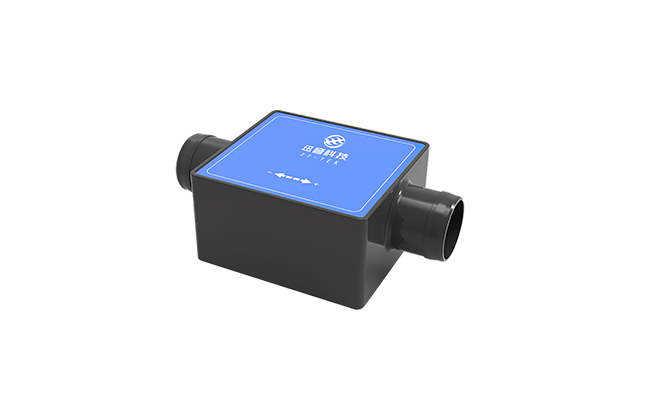
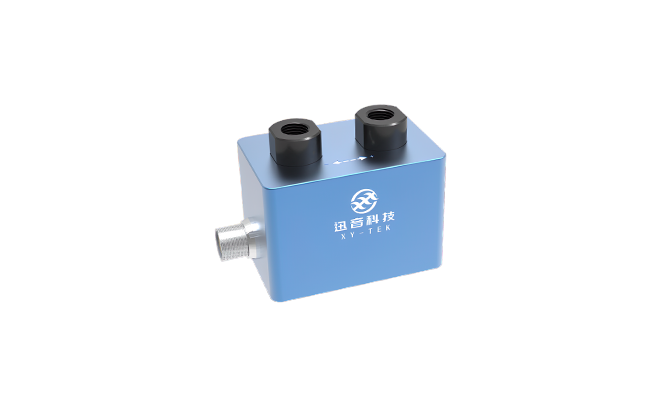
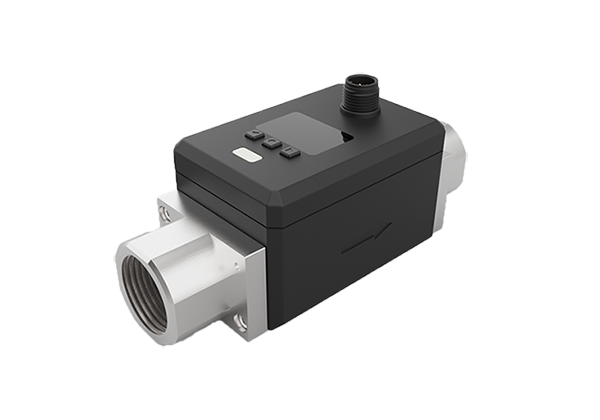
TPD series in-line Ultrasonic Flow Sensor / Flow Meter
The TPD series inline ultrasonic flow sensors/flow meters feature an integrated design with a built-in circuitry, support direct flow rate measurement and intuitive flow data monitoring, ideal for industrial automation, battery manufacturing equipment, water treatment, and liquid cooling flow rate measurement.
Tubing Range DN15-DN50, support OEM and tubing size customization.
The TPD series inline ultrasonic flow sensors/flow meters can be integrated into the existing fluid systems through internationally standardized tubing fittings, with an accuracy of up to ±2%.
TPD series inline ultrasonic flow sensors/flow meters consist of straight tubing with no moving parts and dead spots, making it resistant to wear and scaliness, easy to clean, and with minimal pressure loss.
Compared to clamp-on ultrasonic flow sensors/flow meters, the TPD series flow sensor/flow meters calibration does not depend on the tubing material and diameter, enabling immediate measurement upon integration into the system.
The TPD flow sensor/flow meters are widely used in filling and spraying applications, battery manufacturing devices, liquid cooling, industrial automation systems, and more.
5.3 Ultrasonic Flow Sensor Selection Guide: Clamp-on vs. In-line Ultrasonic Flowmeters
|
Type
|
Clamp-on Ultrasonic Flowmeter
|
In-line Ultrasonic Flowmeter
|
|
Installation Method
|
Clamped externally on tubing wall
|
Connect to the tubing via fitting or connectors
|
|
Applicable Pipe Size
|
6 mm – 24 mm
|
DN2 – DN50
|
|
Accuracy
|
±1% ~ ±2% RD
|
±1% ~ ±2% RD (typically higher)
|
|
Pressure Loss
|
Zero
|
Very low
|
|
Recommended Scenarios
|
Retrofit projects, existing pipelines, non-invasive measurement
|
Share on social platforms
|










 Pre-Sale
 After-Sale