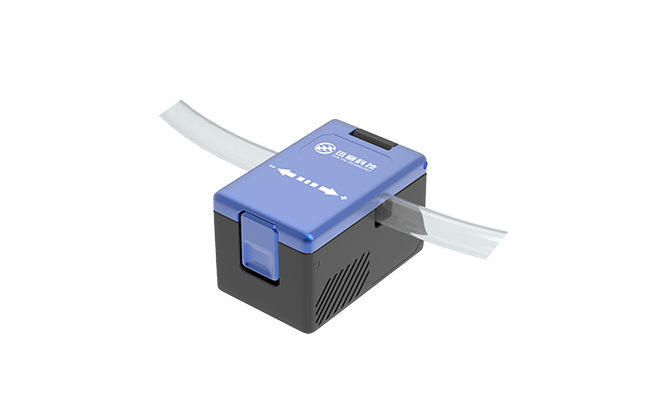
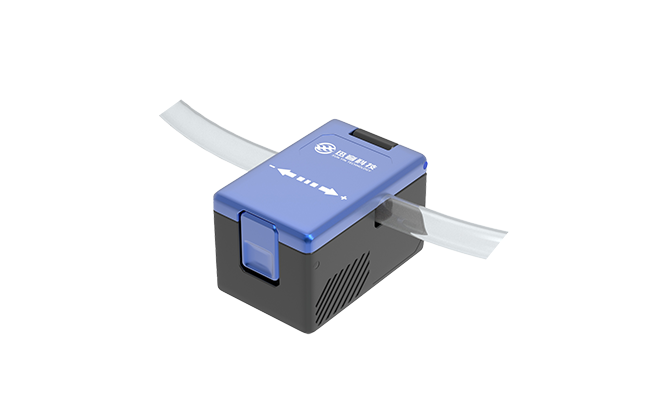
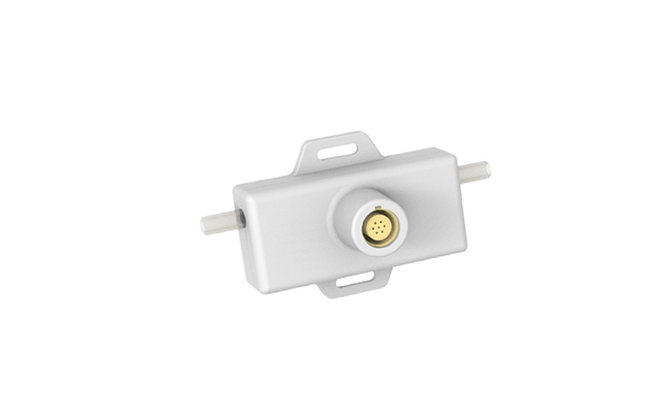
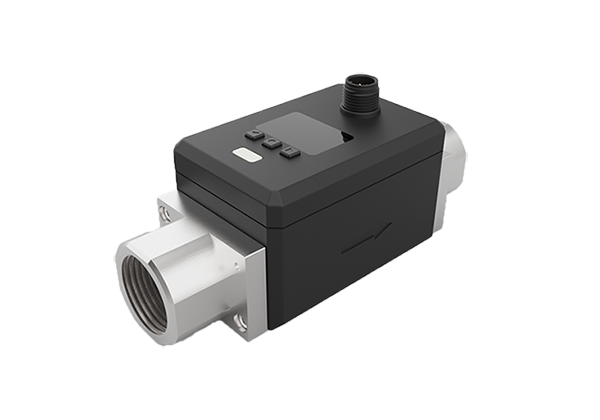
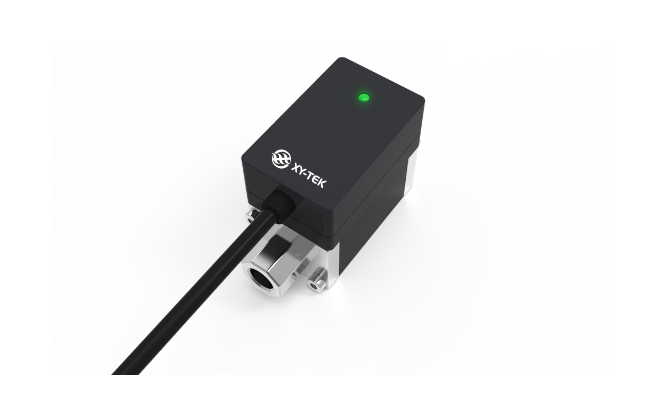
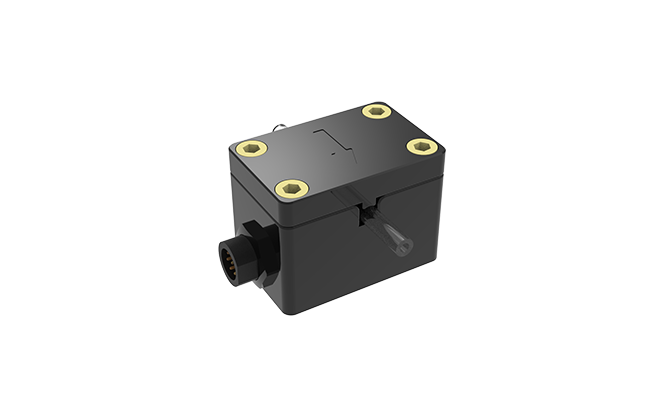
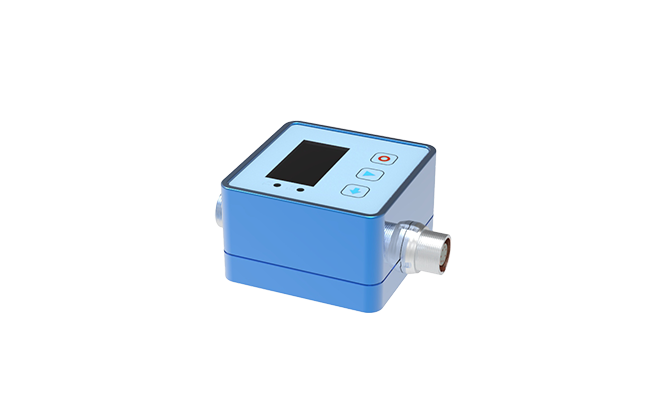
CG series ultrasonic clamp-on flow sensors / flow meters are compact in size, and can measure flow a...

The CM series clamp-on ultrasonic flow sensors/flow meters are similar to the CG series flow sensors...

The TH series pulsatile flow rate measurement sensors/flow meters are designed specifically for hear...

CG series clamp-on flow sensors / flow meters are compact in size, and can measure flow and output r...

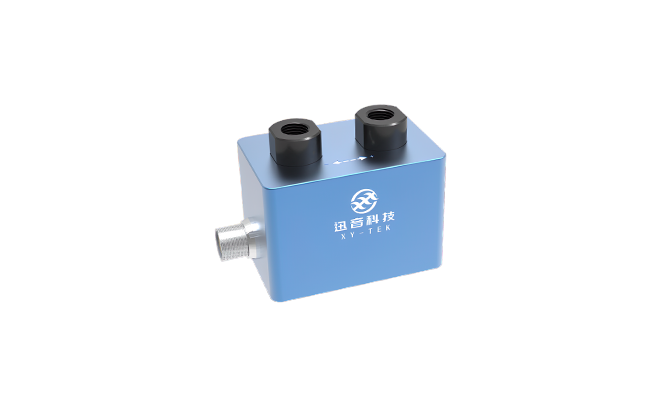
The TGU Series Low-flow Ultrasonic Flow Sensors / Flow Meters feature a U-shaped measuring channel d...

The SU single-use ultrasonic flow sensor/flow meter incorporates a disposable measuring channel made...

The CPD series clamp-on ultrasonic flow sensor/flow meters boast a compact design with an integrated...

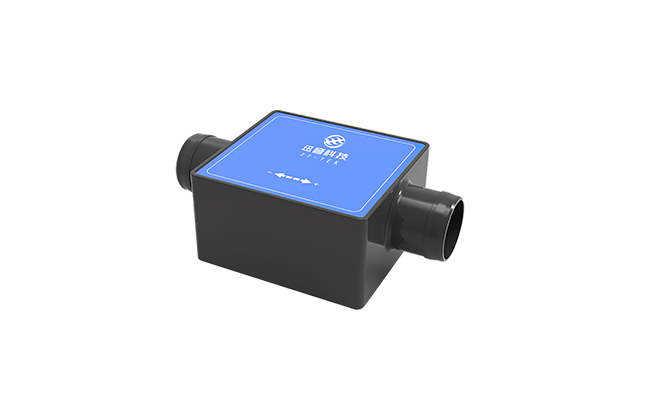
The TPD series inline ultrasonic flow sensors/flow meters feature an integrated design with a built-...

The TPK series inline ultrasonic flow sensors/flow meters feature an integrated design with a built-...

The CPD series clamp-on ultrasonic flow sensor / flow meter boasts a compact design with an integrat...

The CS series clamp-on flow sensor/flow meter is compact and supports measuring flow rate and detect...

The TGU Series Low-flow Ultrasonic Flow Sensors / Flow Meters is specifically designed to measure ul...
When procurement teams reach the decision stage for flow sensors, comparing technology options directly is the fastest path to a cost-effective, reliable solution. Each technology — ultrasonic, electromagnetic, turbine, and Coriolis — comes with distinct trade-offs in accuracy, installation complexity, maintenance, and long-term operating cost.
At XY-TEK, we specialize in ultrasonic flow senso rs for precision measurement in small tubing and low flow rates, serving medical, bioprocess, industrial automation, and liquid cooling applications. Our 5,000 m² factory and 30+ R&D engineers focus on delivering solutions that balance performance with total cost of ownership.
The global flow meter market was estimated at USD 10.64 billion in 2024, with the ultrasonic segment alone reaching USD 1.52 billion in 2025. With such scale, choosing the wrong technology can impact both upfront cost and long-term operating expenses.
Ultrasonic vs. Electromagnetic
Electromagnetic flow meters rely on fluid conductivity, limiting them to conductive liquids only. XY-TEK ultrasonic flow meters use the time-difference principle, which works independently of conductivity and covers both conductive and non-conductive fluids — including fluorinated liquids and mineral oils used in immersion cooling.
XY-TEK advantages:
→ ±1% to ±2% accuracy
→ 1:100 turndown ratio
→ Pipe range DN6 to DN6000 with no medium restrictions
→ Clamp-on design saves approximately 30% in installation cost (no pipe cutting)
→ Zero moving parts, zero maintenance
→ Zero pressure drop, reducing PUE by 0.02–0.05 and achieving 8%–15% annual power savings
Ultrasonic vs. Turbine
Turbine meters have mechanical moving parts that wear over time, causing ≥5% annual drift and requiring periodic maintenance. They also introduce 5%–15% pressure drop, increasing pumping energy.
XY-TEK advantages:
→ No moving parts, no wear risk
→ Zero pressure drop
→ Handles dirty or low-flow media without additional filters
→ Lowers total cost of ownership by approximately 15% compared to turbine-based alternatives
Ultrasonic vs. Coriolis
Coriolis meters offer high accuracy (±0.2%) but come at 3–5 times the cost of XY-TEK ultrasonic meters and introduce 15% to 30% pressure drop, significantly raising long-term energy costs.
XY-TEK advantages:
→ ±1% to ±2% accuracy with zero pressure drop
→ Non-invasive clamp-on installation — no leakage risk, no contact with the medium
→ Low maintenance (no moving parts, no periodic calibration)
→ Coriolis meters have medium-high maintenance costs (+25%)
Implications for Buyers
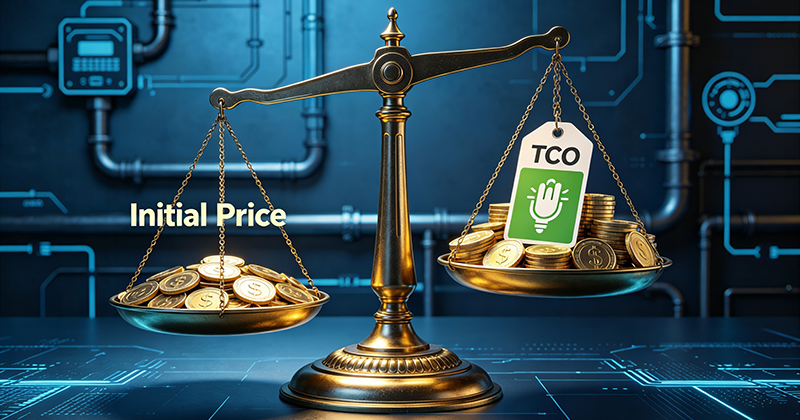
The decision is not just about initial accuracy specs — it is about total cost of ownership, energy efficiency, and application flexibility. XY-TEK ultrasonic flow sensors fit all liquid cooling scenarios (immersion cooling, cold plates, CDUs, energy storage, superchargers), new builds, retrofits, and large pipes — where alternative technologies are often restricted to clean water, conductive fluids, or small bore diameters.
When evaluating suppliers, a side-by-side comparison on installation cost, pressure drop, maintenance frequency, and fluid compatibility is essential. The technology that wins on paper may lose in the field.
Have questions or need assistance? Contact us-we're here help!


All rights reserved © Shanghai Xunyin Technology Co., Ltd