
In industrial settings, the maintenance issues associated with flow meters are often underestimated. Many equipment managers may have had similar experiences: after a period of use, the bearings of a turbine flow meter wear out, leading to measurement deviations; the electrodes of an electromagnetic flow meter become fouled, requiring disassembly …
Original equipment manufacturers (OEMs) in medical devices, bioprocessing, semiconductor fabrication, and industrial automation increasingly require flow sensors that can be precisely tailored to unique fluid circuits, communication protocols, and housing constraints. Shanghai Xunyin Technology Co., Ltd (XY-TEK) is a high-tech manufacturer that develops and produces ultrasonic flow sensors and flow meters, specializing in small tubing and low flow rate measurements for fluid management and control. With a 5,000 m² factory and a 30+ person R&D team, XY-TEK delivers both standard products and deep customization through OEM, ODM, and custom design services.
Problem: Off-the-Shelf Sensors Rarely Fit Complex OEM Fluid Paths
In sectors such as bioprocessing, semiconductor cooling, and precision dispensing, standard off-the-shelf flow sensors often force compromises on tube geometry, output format, or chemical compatibility. OEM engineers may need a sensor that fits a proprietary manifold, communicates via a specific bus, or resists aggressive sterilization cycles. Modifying a generic sensor post-purchase adds cost, delay, and risk. The ability to co-design a sensor from the sensor size, interface, and housing material up to the communication protocol becomes a critical procurement criterion—especially when the buyer is moving from evaluation to execution.
XY-TEK’s Solution: End-to-End Customization for OEMs
XY-TEK’s production capability is organized around three flexible modes: OEM & ODM production, custom design, and standard catalog products. Customization options include sensor size, interface, logo printing, communication protocol, and housing material. This allows XY-TEK to adapt its core ultrasonic sensing technology—which already covers clamp-on, in-line, low-flow, pulsatile, bubble detection, and single-use variants—to the exact requirements of an OEM’s fluid control system.
The company’s standard portfolio includes the CG Series (clamp-on, 0–20 L/min, ±3% accuracy), CPD Series (clamp-on, 0–80 L/min, ±2% accuracy, built-in LED), TPD/TPK Series (in-line, DN15–DN50, up to 1000 L/min, ±2% accuracy), TGU Series (low-flow, 0.1–1000 mL/min, ±1% accuracy with resolution to ±0.1 mL/min), TH Series (pulsatile flow for hemodynamic testing, ±2% accuracy), BG Series (bubble detector, 1/3 bubble size of tubing ID), and SU Series (single-use, ±2% accuracy). Each series can be customized to varying degrees, making XY-TEK a viable partner for OEM projects ranging from prototype to volume production.

Technical Foundation: Non-Invasive, Contact-Free, Patented
XY-TEK’s ultrasonic flow sensors operate on the transit-time principle. They emit ultrasonic signals through the tube wall and measure the time difference caused by fluid movement. This non-invasive approach eliminates contamination risk, requires no moving parts, and introduces negligible pressure loss. The company holds multiple invention patents from the China National Intellectual Property Administration (CNIPA), including patents for ultrasonic flow sensor technology (No. ZL****, issued 2022-11-01, expiry 2042-11-01) and a separate patent for liquid flow sensing and filter enhancement technology (No. 7946602, issued 2025-06-16, expiry 2045-06-16). These patents cover core transducer designs and signal processing methods that enable high accuracy even at ultra-low flow rates and in pulsating conditions.
Key technical attributes across the product line include:
-
- Accuracy: ±1% to ±3% depending on model; TGU series achieves ±0.1 mL/min resolution.
-
- Flow range: from 0–1000 mL/min (TGU) up to 0–1000 L/min (TPD/TPK in-line).
-
- Fluid temperature: up to 90°C for clamp-on models with rigid tubing.
-
- Output options: analog, pulse, RS485, customizable per OEM request.
-
- Bubble detection: integrated in clamp-on and bubble detector series; detects 1/3 of tubing inner diameter.
-
- Bi-directional measurement: supported on most models.
All products undergo 100% pre-shipment testing under the company’s quality control process, and third-party inspection is available upon request.
Proven Use Cases Across Critical Industries
Liquid Cooling for Data Centers and EV Charging
XY-TEK’s ultrasonic flow sensor (CG Series and TPD Series) has been deployed to monitor non-conductive coolant flow in data centers, industrial equipment, medical device manufacturing, and charging stations. The sensors prevent overheating by detecting leaks and blockages in real time, and optimize cooling efficiency with minimal pressure loss. One multi-national project with installations in the US, China, Germany, Japan, Korea, and Singapore achieved stable cooling performance, reduced energy consumption, and extended equipment life over a service period of 2–4 years.
Battery Manufacturing: Non-Contact Electrolyte Monitoring
The clamp-on ultrasonic flow sensor (CPD Series) is used by lithium-ion battery manufacturers and new energy equipment makers across eight countries (CN, US, DE, KR, JP, IN, SG, TH). In a project covering 10–30 production lines for electrolyte injection, the non-invasive clamp-on design solved contamination and pipe-cutting risks associated with traditional inline sensors. The system improved battery consistency, reduced rejection rates, and enhanced production safety, with stable operation over 2–3 years.
Electronics Manufacturing: Ultra-Low Flow Dispensing Control
The low-flow TGU Series sensor has been adopted by electronics manufacturers, SMT/EMS factories, and selective wave soldering equipment makers for real-time measurement of pulsed micro-flux flow down to 1 mL/min at ±1% accuracy. The sensor’s no-moving-part design, corrosion resistance, and bi-directional measurement help detect bubbles and blockages in flux dispensing lines. Users in the US, China, Germany, Italy, France, UK, and Netherlands reported improved soldering quality, reduced waste, and higher production yield over project durations of 1–3 years.

Market Context: Ultrasonic Flow Sensors in an Expanding Ecosystem
The global flow meter market was estimated at USD 10.64 billion in 2024 and is projected to reach USD 15.17 billion by 2030 (Grand View Research). Within that, the ultrasonic flow meter segment alone was valued at USD 1.52 billion in 2025 and is expected to grow to USD 2.28 billion by 2031 (Mordor Intelligence). The clamp-on ultrasonic flowmeter sub-segment reached USD 1.25 billion in 2024, growing at a 7.4% CAGR through 2032. Asia Pacific held the largest regional share at 38.6% in 2025 (Fortune Business Insights), driven by industrial expansion in semiconductors, batteries, and medical manufacturing. Flow control in the semiconductor industry specifically was estimated at USD 5.83 billion in 2024 (Market Research Future), highlighting the demand for high-purity, non-invasive sensors.
These trends align with XY-TEK’s focus on customizable ultrasonic sensors for small-tubing, low-flow, and non-contact applications—areas where traditional turbine or Coriolis meters are either too intrusive or too expensive to adapt. The ability to offer customized communication protocols, housing materials, and sensor sizes positions XY-TEK to serve the growing OEM demand for integrated fluid monitoring in automated production lines, liquid cooling loops, and sterile bioprocessing environments.
Comparison with Traditional Solutions
Compared to conventional inline turbine flow meters, XY-TEK’s ultrasonic sensors offer lower pressure drop, no moving parts, and compatibility with corrosive or ultra-pure fluids. Compared to Coriolis meters, ultrasonic sensors are generally more compact and cost-effective for medium-accuracy (±1–3%) applications. One honest limitation is that ultrasonic transit-time sensors require liquids with few solid particles or bubbles to maintain accuracy; for heavily aerated or slurry fluids, alternative technologies may be necessary.
Future Outlook: Deeper Integration into OEM PlatformsAs OEMs push toward Industry 4.0 and digital twin simulations, flow sensors must become plug-and-play components with standardized digital interfaces and configurable parameters. XY-TEK is positioned to evolve its customization capabilities toward modular design platforms where communication protocol, housing material, and sensor size can be rapidly reconfigured. With its established patents, 50–employee team producing over 8,000 units annually, and a global export ratio of 50%, XY-TEK is scaling its capacity to support larger OEM serial production runs while retaining the flexibility needed for prototype and small-batch projects.
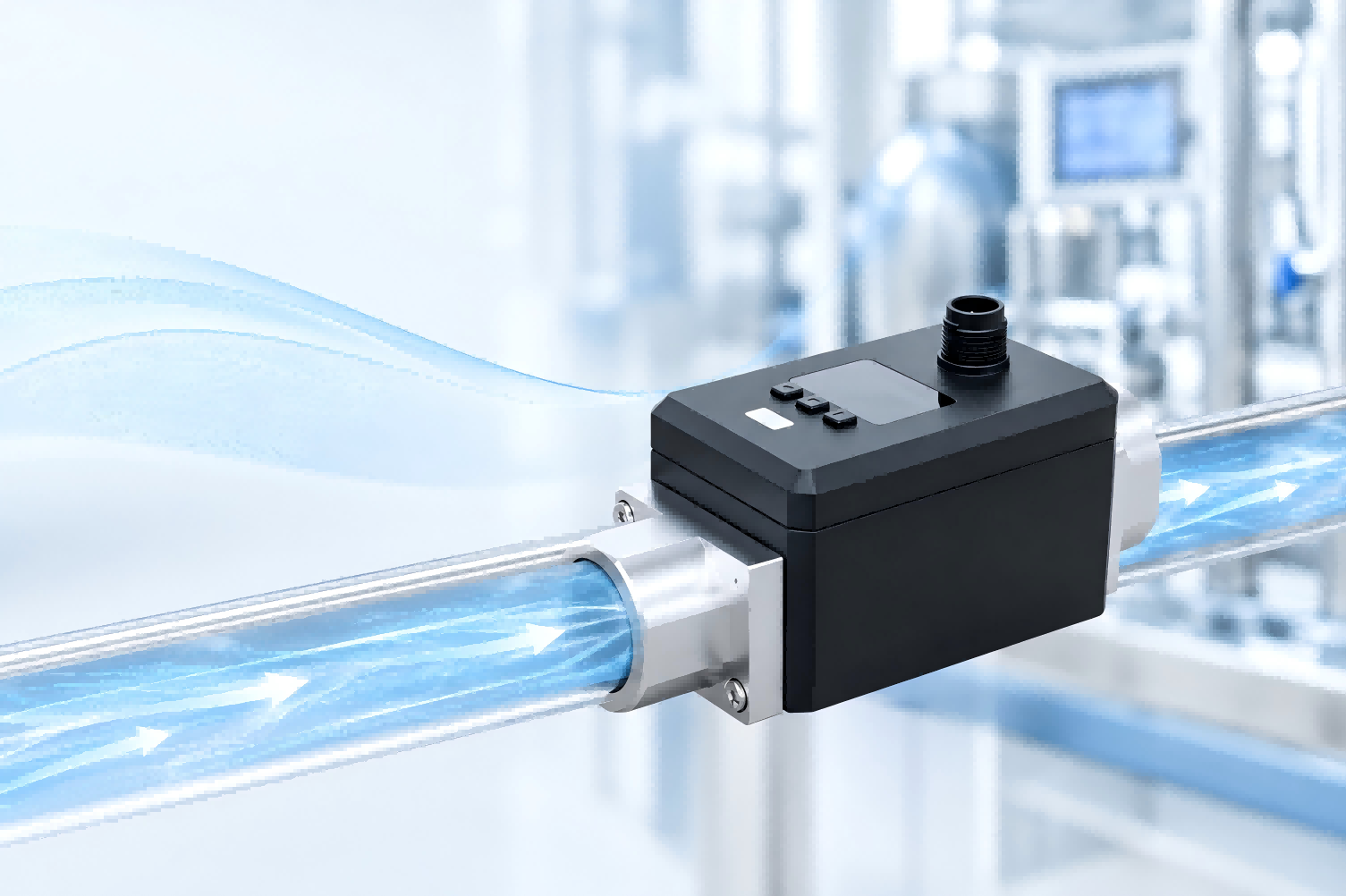

XY-TEK has been committed to serving both domestic and international markets since its inception. Over the years, we have built strong, long-term partnerships with clients worldwide, continuously adapting our fluid measurement solutions to diverse international markets and demanding operational scenarios.
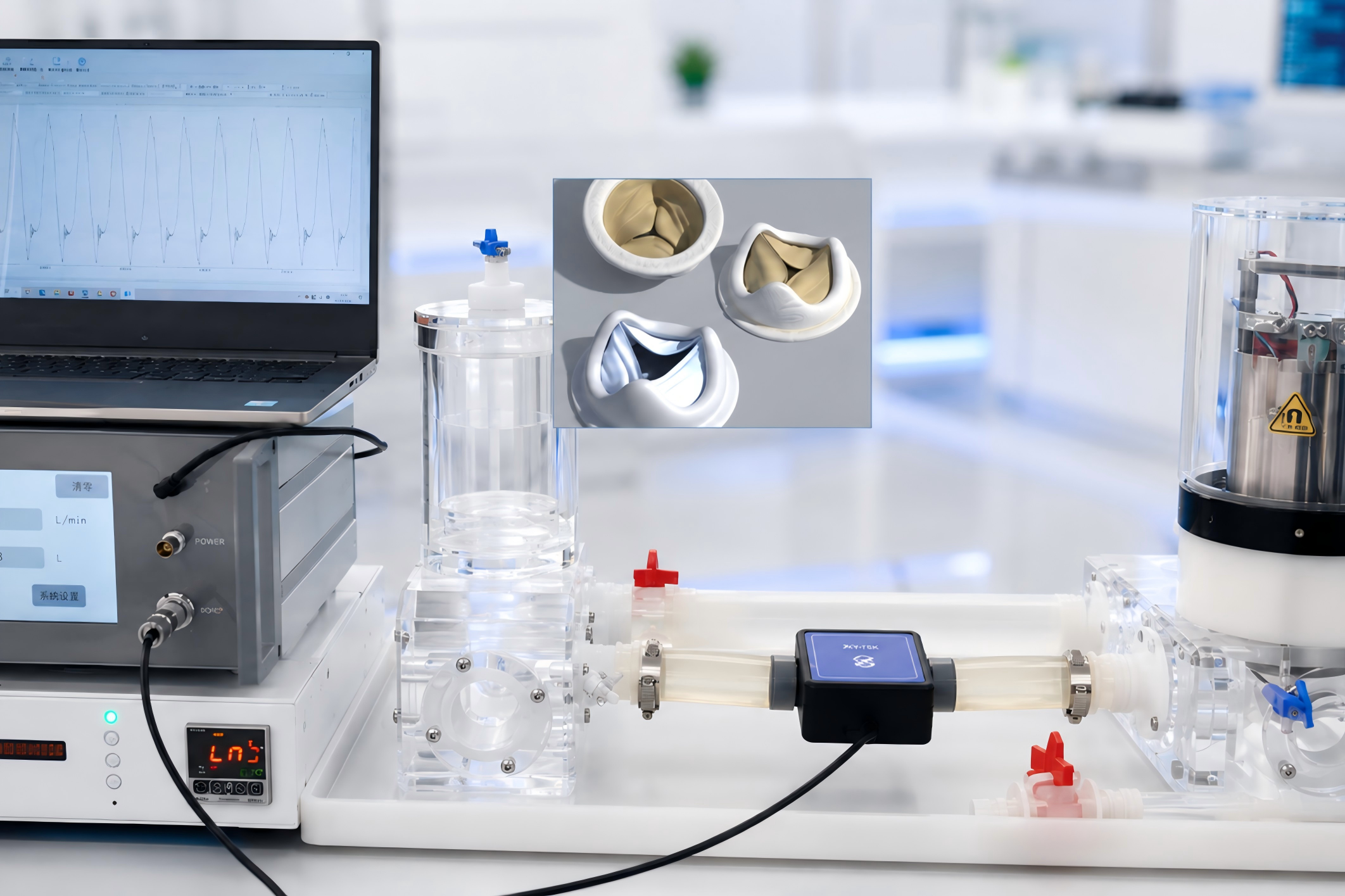
In the human circulatory system, blood flow differs significantly from the steady-state flow found in industrial pipelines. Driven by the rhythmic contractions and relaxations of the heart, blood flow naturally exhibits pronounced pulsatile characteristics, with its velocity, pressure, and flow rate undergoing periodic changes at the millisecond level. In the …
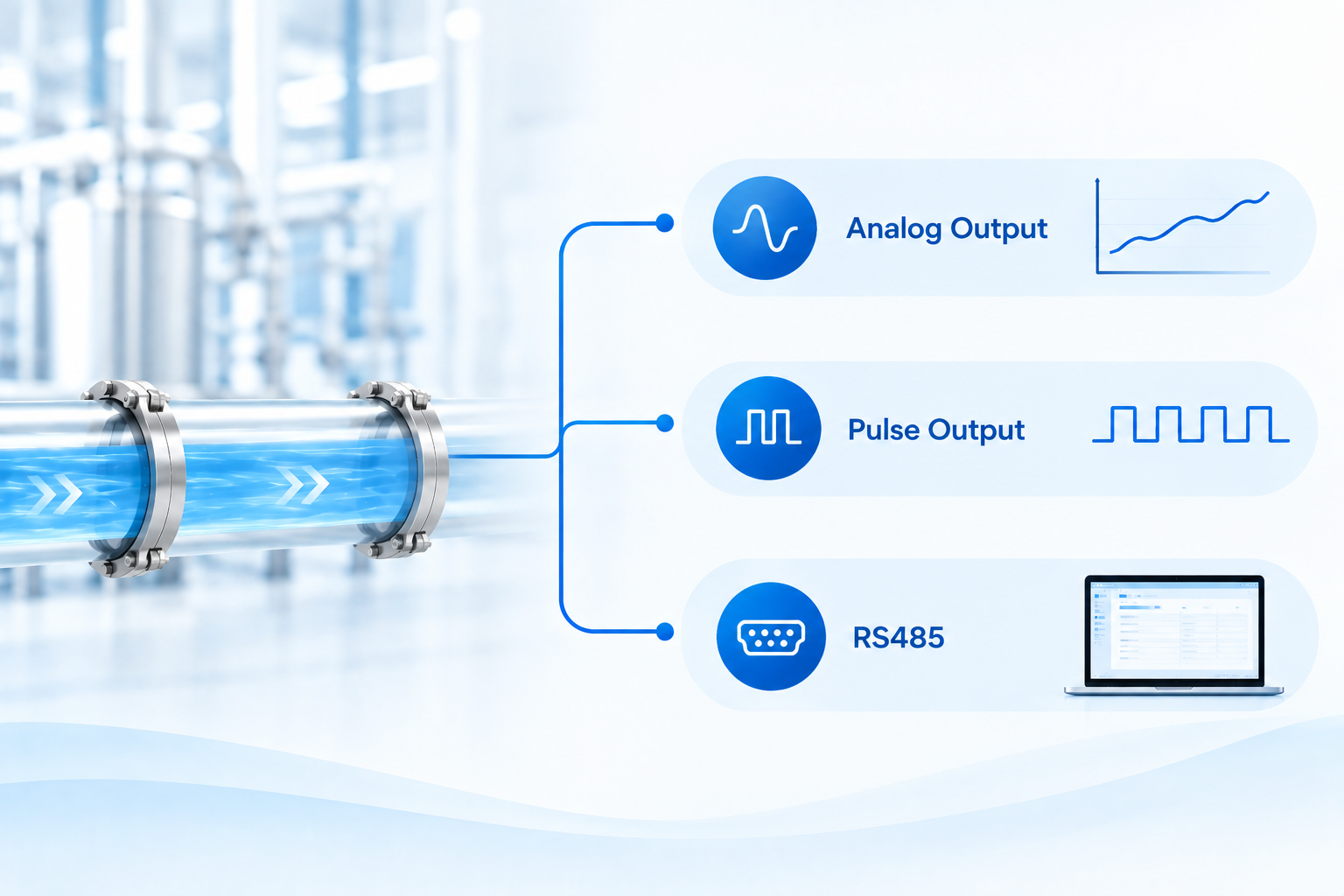
In industrial settings, whether a flow sensor performs well depends not only on measurement accuracy and long-term stability, but also on a frequently underestimated dimension — data output capability. Once a sensor measures flow, the data must ultimately be transmitted to a PLC, DCS, or host computer to participate in …
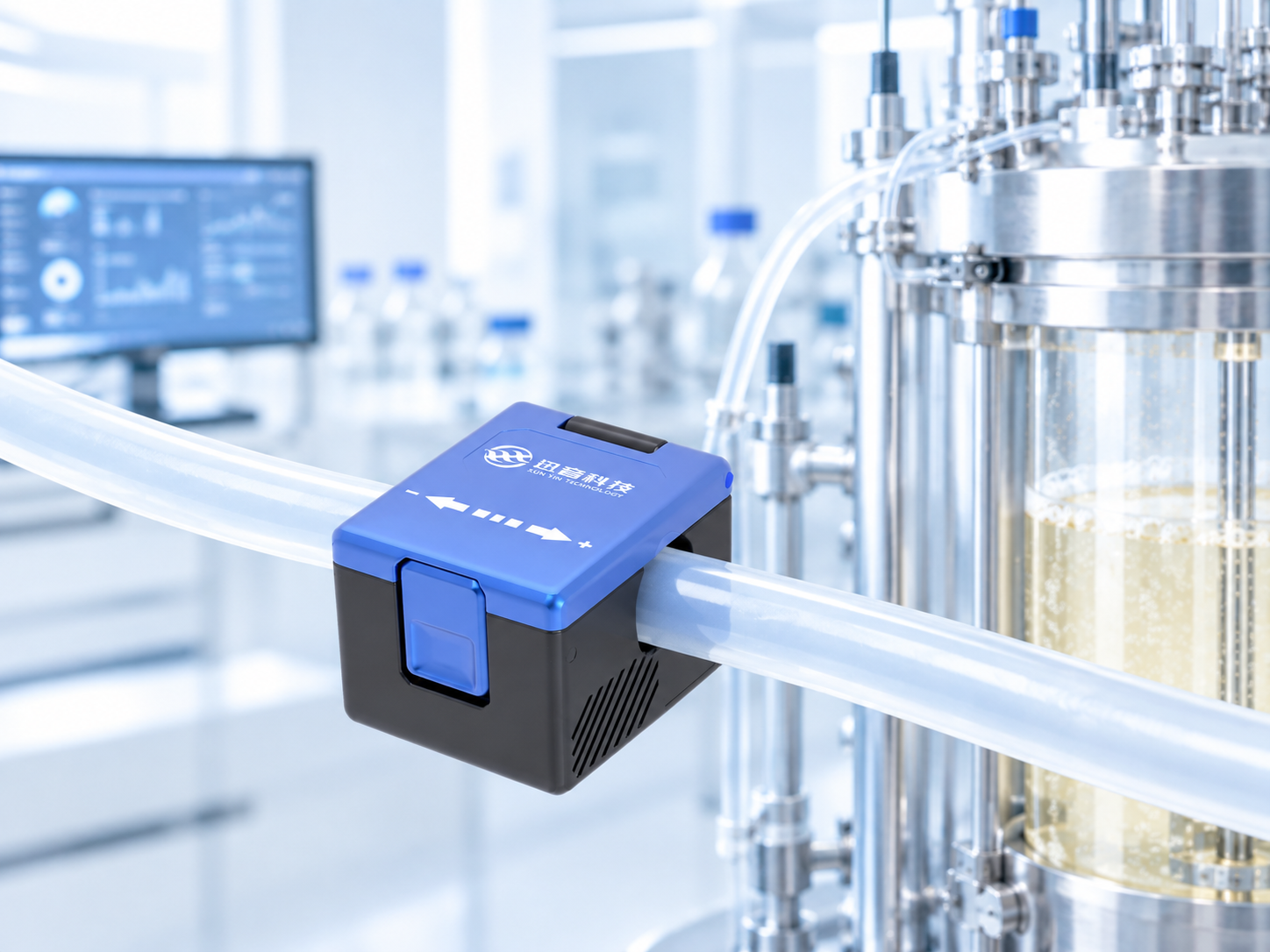
In biopharmaceuticals, fermentation and cell culture represent the upstream core of the entire process chain. Subsequent downstream purification and formulation steps rely heavily on upstream operations to deliver consistent, qualified harvest fluids. The fermentation process itself is a dynamic biochemical reaction system requiring continuous substrate feeding, precise pH and dissolved …
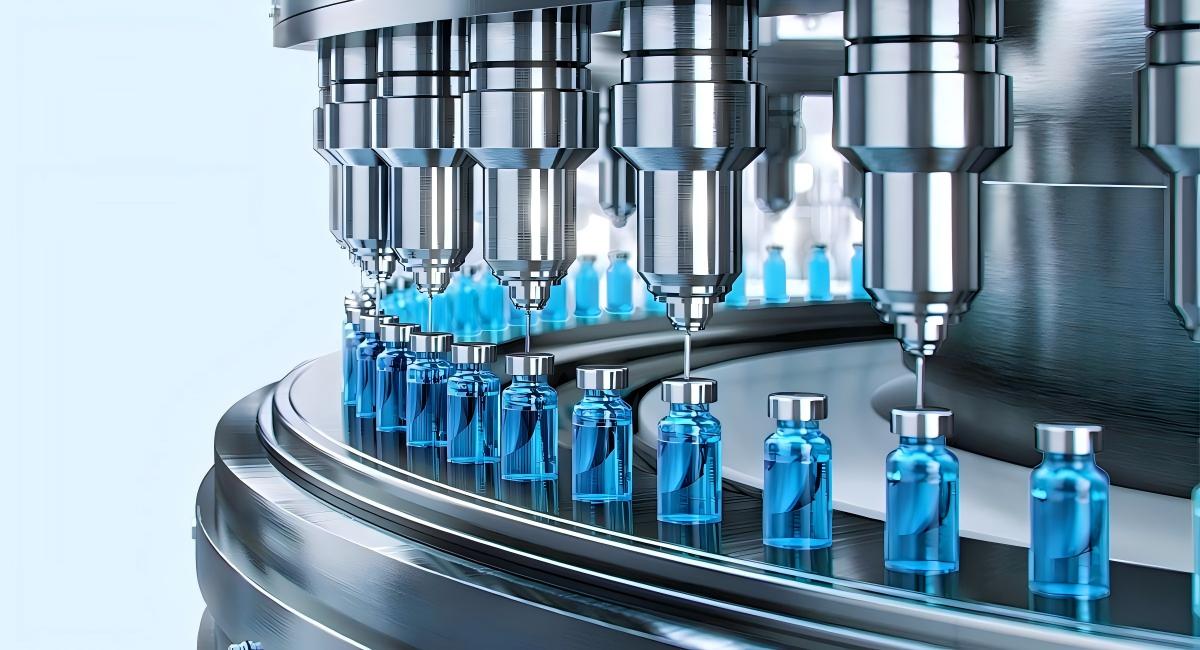
In the long biopharmaceutical manufacturing chain, aseptic filling is often called the “last mile.” For products such as monoclonal antibodies, recombinant proteins, and vaccines, the highly purified drug substance—after upstream processing and downstream purification—must ultimately be dispensed into vials, pre-filled syringes, or cartridges with extreme precision and under sterile conditions.