
In industrial settings, the maintenance issues associated with flow meters are often underestimated. Many equipment managers may have had similar experiences: after a period of use, the bearings of a turbine flow meter wear out, leading to measurement deviations; the electrodes of an electromagnetic flow meter become fouled, requiring disassembly …
The Growing Need for Reliable Ultrasonic Flow Sensor OEM Partners
The global flow meter market was estimated at USD 10.64 billion in 2024 and is projected to reach USD 15.17 billion by 2030. Within this, the ultrasonic flow meter segment alone was valued at USD 1.52 billion in 2025, with Asia Pacific holding a 38.6% share. As industries from liquid cooling to bioprocessing expand, OEM buyers and distributors increasingly require suppliers who can combine precision, scalability, and long-term supply stability.
Shanghai Xunyin Technology Co., Ltd (XY-TEK) is a high-tech manufacturer specializing in ultrasonic flow sensors and flow meters for fluid management and control, particularly for small tubing and low flow rates. With a 5,000 m² facility, 30+ R&D engineers, and an annual output exceeding 8,000 units, XY-TEK positions itself as a capable partner for OEM and distribution agreements that demand consistent quality and delivery.
Problem: Supply Fragmentation and Quality Variance in Flow Sensor Sourcing
Buyers evaluating long-term partnerships for ultrasonic flow sensors often face three core risks: inconsistent product quality across batches, long lead times that disrupt production schedules, and limited after‑sales technical support. These challenges become acute when sensors are used in critical applications such as medical devices, semiconductor fluid handling, or bioprocess single‑use systems.
Traditional sourcing approaches—relying on multiple spot suppliers—can introduce calibration drift, material compatibility issues, and hidden costs from rework or field failures. A strategic partnership with a specialized manufacturer mitigates these risks through structured quality management and responsive support.
XY-TEK’s Solution: Quality Assurance and Supply Reliability
XY-TEK operates with a minimum order quantity of 50 units, standard delivery time of 1–2 months, and typical production lead time of 1–2 months. Every unit undergoes 100% pre‑shipment testing, and the manufacturer offers third‑party inspection for quality control. After‑sales services include online engineering support, remote technical support, and quality warranty—covering both calibration verification and hardware troubleshooting.

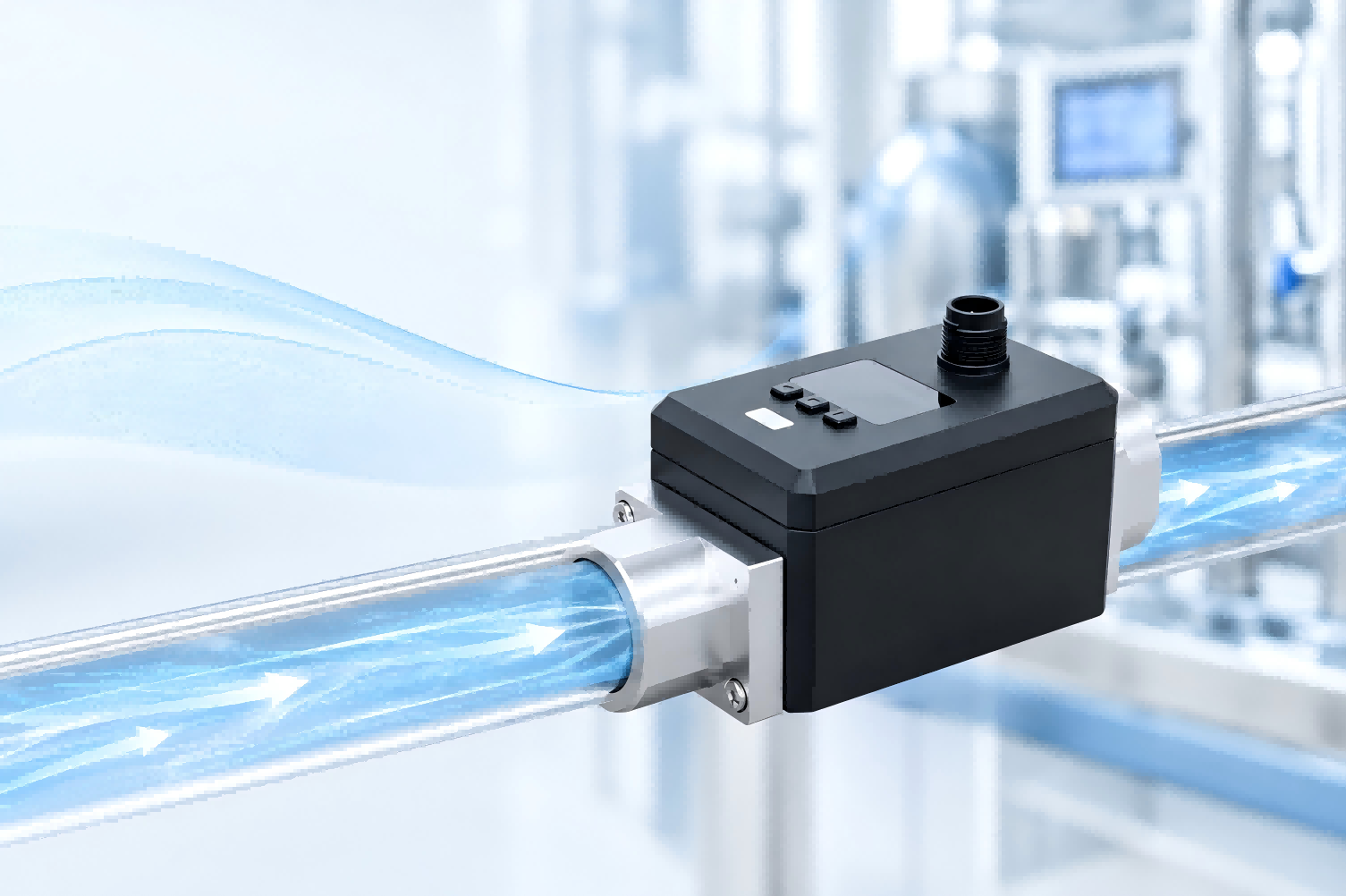
The company’s product portfolio spans clamp‑on, inline, low‑flow, single‑use, and bubble detection sensors, all built on non‑contact ultrasonic transit‑time technology. This eliminates moving parts and pressure drops, reducing long‑term maintenance costs for distributors and end‑users alike.
Technical Foundation: Non‑Contact Ultrasonic Measurement
XY-TEK ultrasonic flow sensors use the time‑difference principle, emitting ultrasonic signals through the pipe wall and fluid. The sensors measure the transit‑time shift caused by flow velocity, converting it to accurate volumetric flow data. Because there is no direct contact with the liquid, there is zero risk of contamination, zero pressure drop, and no wear from mechanical parts. Clamp‑on versions can be installed on rigid plastic tubing (PFA, PTFE, PVDF, PP, Nylon) without cutting pipes, while in‑line versions integrate directly into piping systems.
Accuracy ranges from ±1% to ±3% depending on the series, with turndown ratios up to 1:100. The CG series, for example, offers bi‑directional flow detection, air bubble detection, and multiple digital outputs (analog, pulse, RS485)—important for OEMs integrating sensors into automated control systems.
Application Scenarios Across Critical Industries
XY-TEK ultrasonic flow sensors are deployed across medical devices (infusion pumps, dialysis, cardiovascular testing), bioprocessing (single‑use bioreactors, sterile fluid monitoring), semiconductor ultra‑pure water and chemical delivery, industrial automation (liquid cooling, spraying, dispensing), and food & beverage dosing.
For example, the SU Series single‑use ultrasonic flow sensor is designed for sterile biopharma applications, offering ±2% accuracy and a biocompatible polymer measurement channel. The BG Series bubble detector provides gas‑liquid state detection with response time customization, critical for infusion systems and chemical dosing. In liquid cooling scenarios, the CG series clamp‑on sensor enables retrofitting without system downtime, measuring flows from 0.02 L/min to 20 L/min.
Market Trend Analysis: Why Specialized OEM Partnerships Matter
The clamp‑on ultrasonic flowmeter market was valued at USD 1.25 billion in 2024 and is growing at a CAGR of 7.4% through 2032, driven by demand for non‑invasive measurement in retrofit projects. Meanwhile, flow control in the semiconductor industry was estimated at USD 5.83 billion in 2024, with high‑purity fluid management requiring sensors that introduce no contamination.
These trends reward suppliers who combine focused R&D (XY-TEK’s 30+ engineer team) with scalable manufacturing (8,000+ units/year). Distributors and OEMs can reduce total cost of ownership by partnering with a manufacturer that offers factory calibration, 100% testing, and responsive remote support—rather than managing multiple generalist suppliers.
Comparison with Traditional Flow Sensor Technologies
Compared to mechanical turbine meters, XY-TEK ultrasonic sensors eliminate moving parts and annual drift (turbine meters suffer ≥5% drift per year). Compared to electromagnetic meters, ultrasonic sensors work with non‑conductive fluids such as fluorinated liquids and mineral oils used in immersion cooling. Compared to Coriolis meters, XY-TEK sensors offer a cost‑effective solution (medium‑low cost vs. Coriolis’ 3–5× price premium) with zero pressure drop, reducing pump energy by 8%–15% annually in cooling systems.

One honest limitation: ultrasonic sensors may not match the ultra‑high precision (±0.1%) of Coriolis meters. However, for the vast majority of OEM and industrial applications where ±1%–±3% accuracy is sufficient—and where cost, maintenance, and non‑invasive installation are priorities—ultrasonic technology offers a superior total‑cost profile.
Future Outlook: Scaling Supply Chains with Specialized Partners
As energy efficiency and process automation drive sensor adoption in data center cooling, EV battery manufacturing, and biopharma, procurement teams will increasingly prioritize suppliers with proven track records in quality control (100% pre‑shipment testing), flexible MOQs, and fast lead times. XY-TEK’s future roadmap includes expanding its inline sensor range for larger pipe diameters and enhancing digital communication protocols for Industry 4.0 integration.
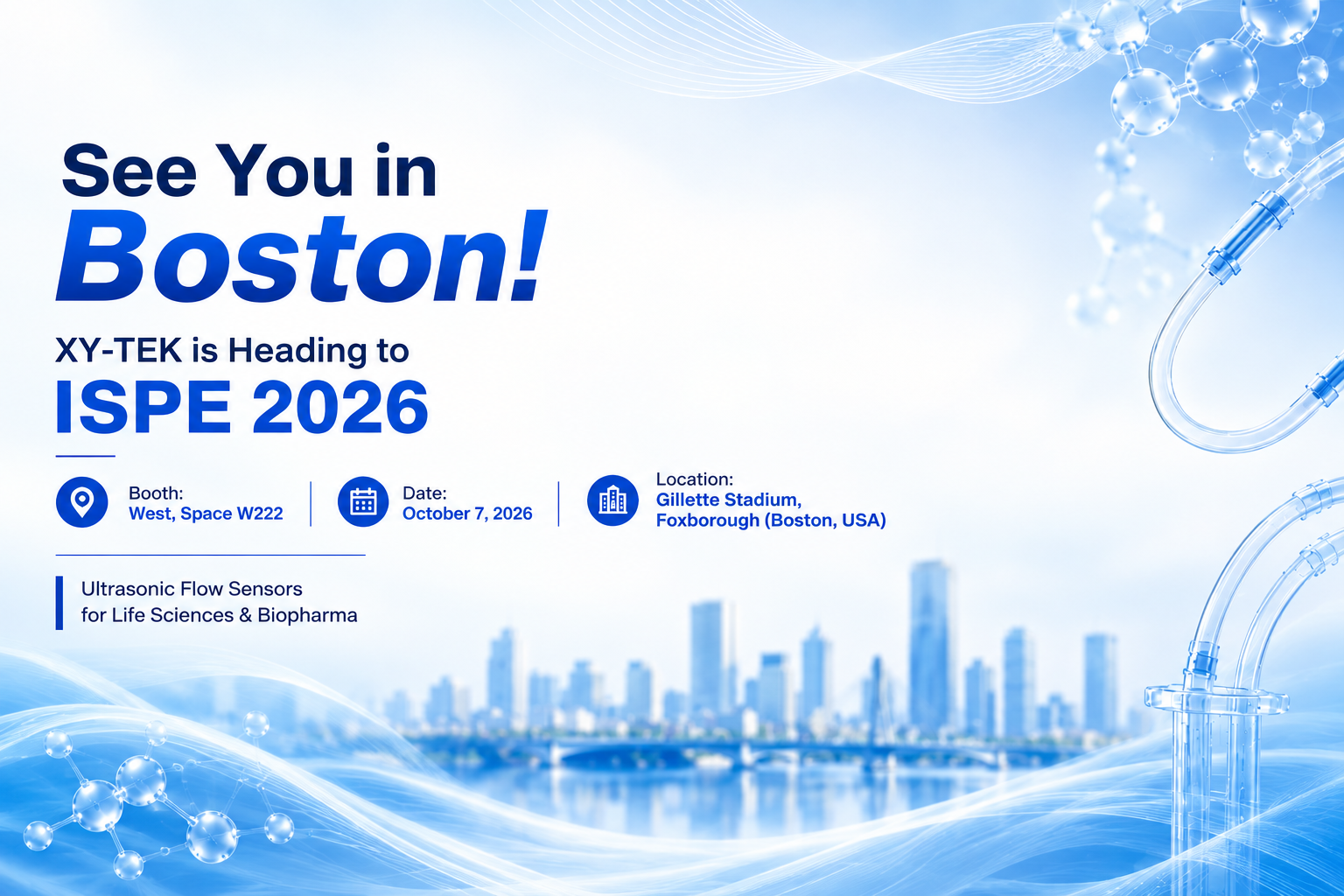
XY-TEK has been committed to serving both domestic and international markets since its inception. Over the years, we have built strong, long-term partnerships with clients worldwide, continuously adapting our fluid measurement solutions to diverse international markets and demanding operational scenarios.
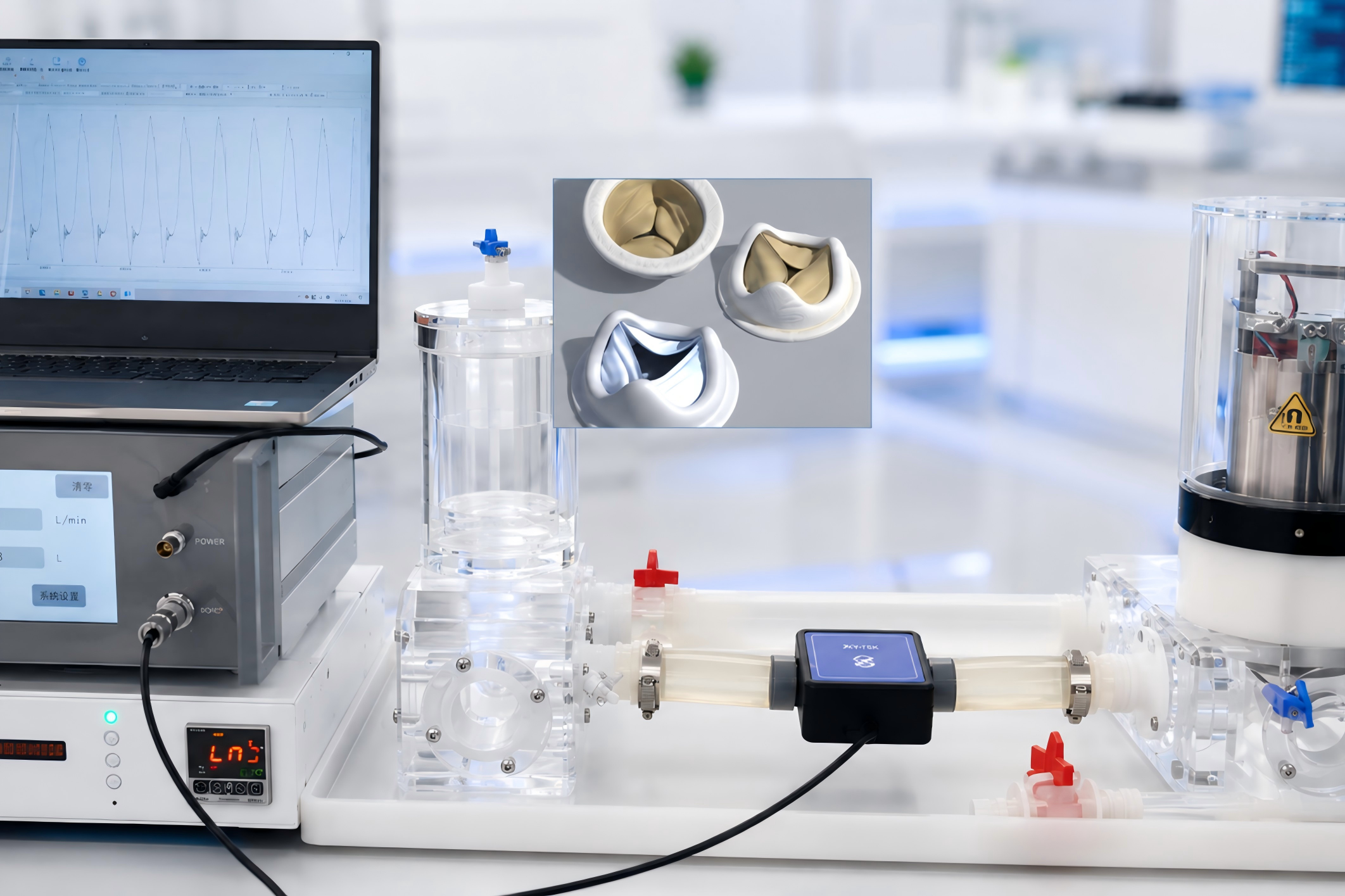
In the human circulatory system, blood flow differs significantly from the steady-state flow found in industrial pipelines. Driven by the rhythmic contractions and relaxations of the heart, blood flow naturally exhibits pronounced pulsatile characteristics, with its velocity, pressure, and flow rate undergoing periodic changes at the millisecond level. In the …
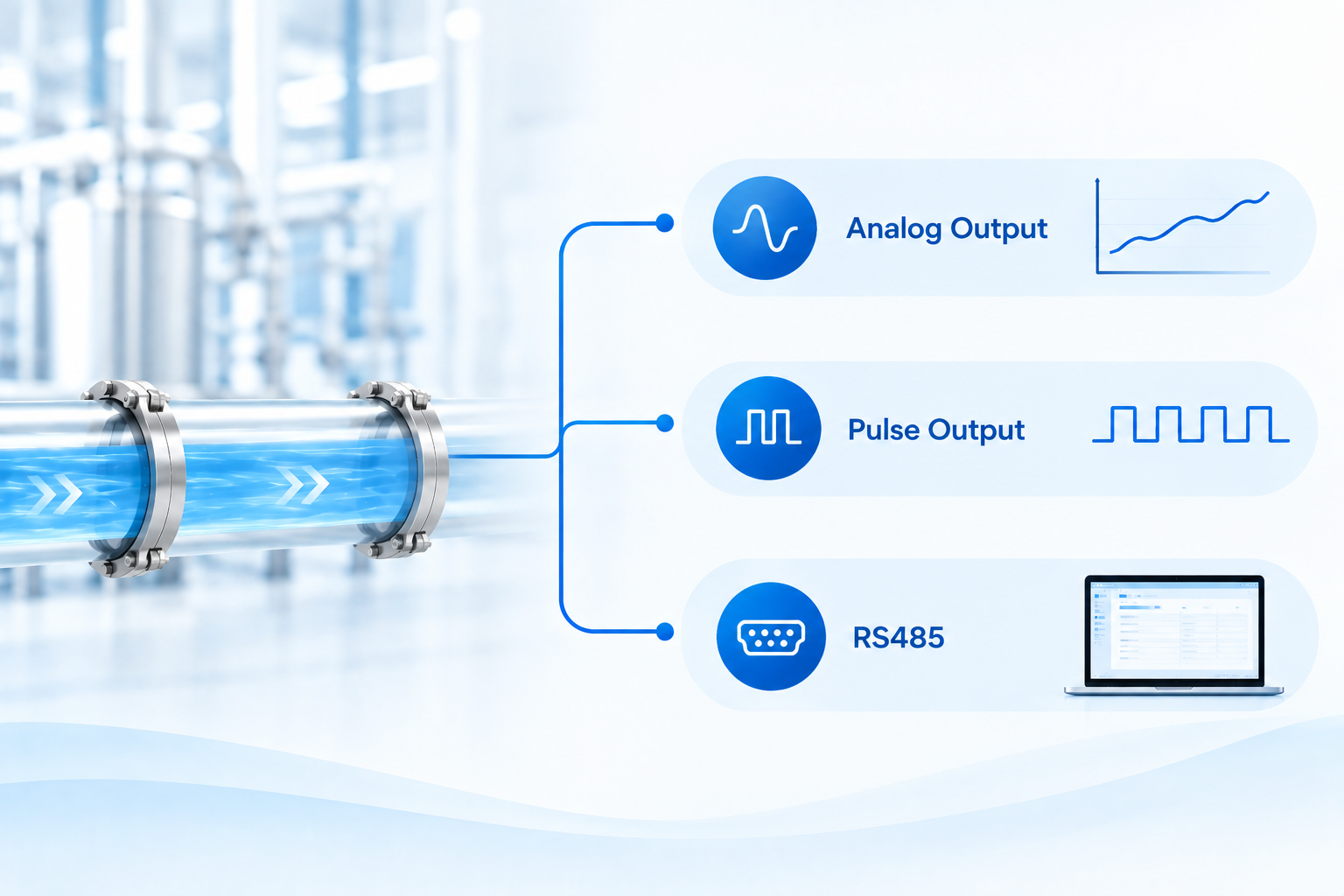
In industrial settings, whether a flow sensor performs well depends not only on measurement accuracy and long-term stability, but also on a frequently underestimated dimension — data output capability. Once a sensor measures flow, the data must ultimately be transmitted to a PLC, DCS, or host computer to participate in …
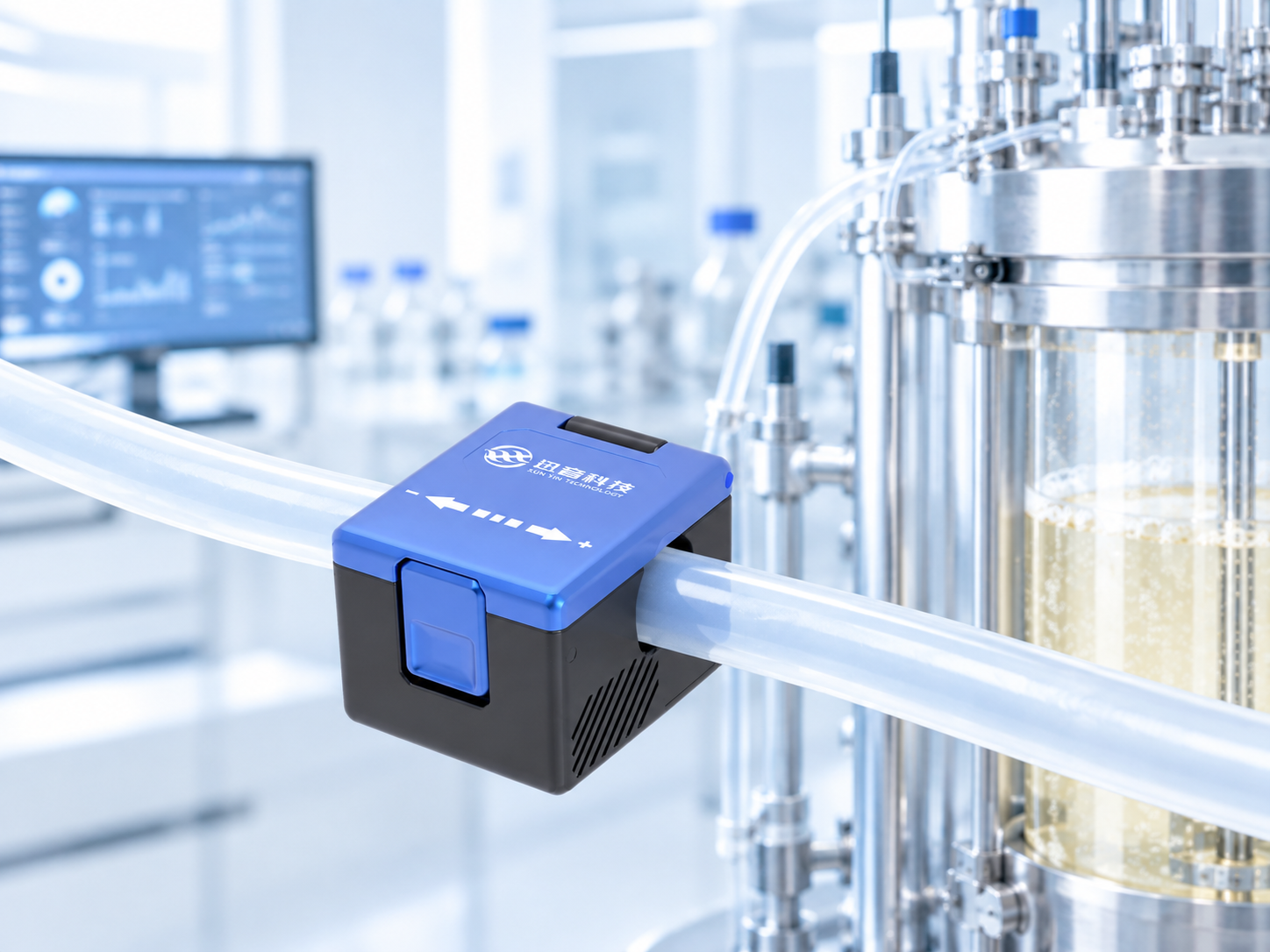
In biopharmaceuticals, fermentation and cell culture represent the upstream core of the entire process chain. Subsequent downstream purification and formulation steps rely heavily on upstream operations to deliver consistent, qualified harvest fluids. The fermentation process itself is a dynamic biochemical reaction system requiring continuous substrate feeding, precise pH and dissolved …
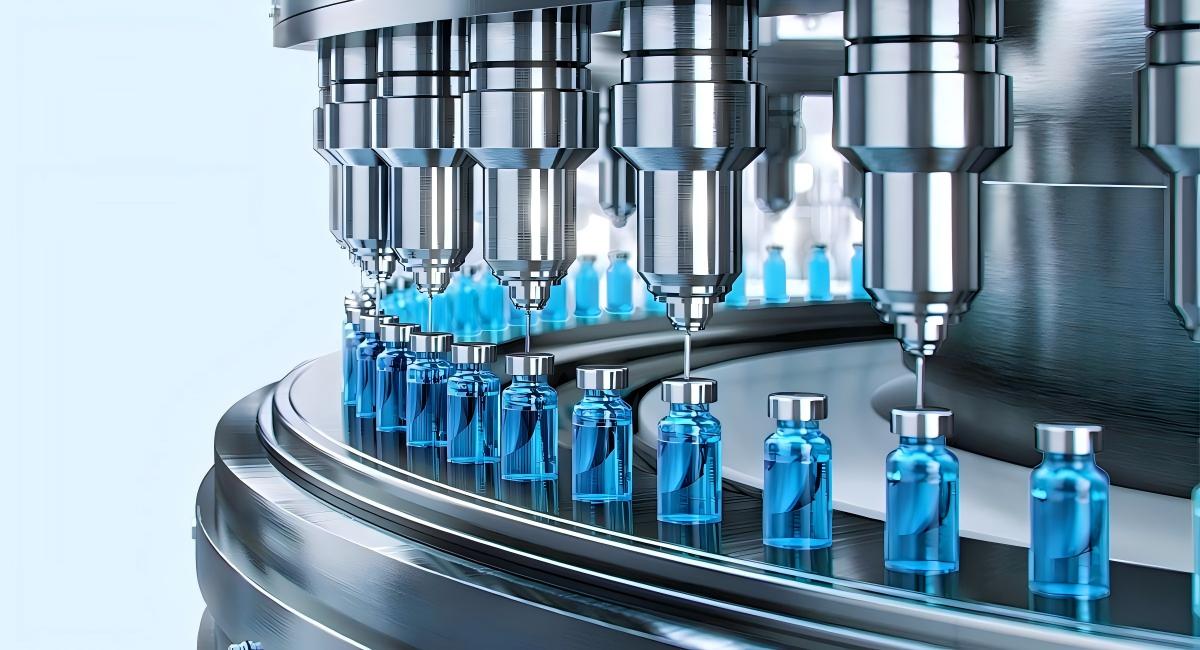
In the long biopharmaceutical manufacturing chain, aseptic filling is often called the “last mile.” For products such as monoclonal antibodies, recombinant proteins, and vaccines, the highly purified drug substance—after upstream processing and downstream purification—must ultimately be dispensed into vials, pre-filled syringes, or cartridges with extreme precision and under sterile conditions.