
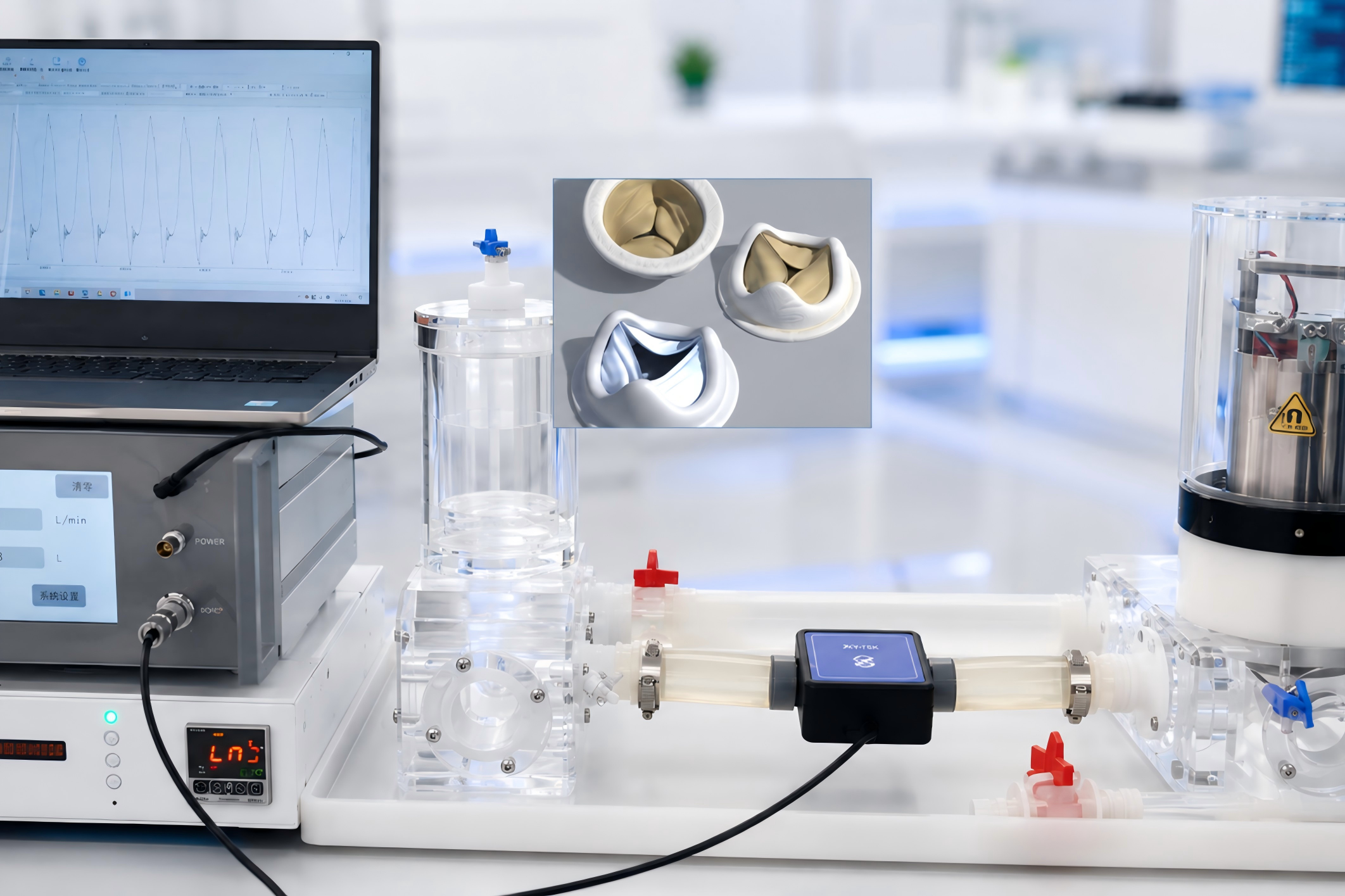
In the human circulatory system, blood flow differs significantly from the steady-state flow found in industrial pipelines. Driven by the rhythmic contractions and relaxations of the heart, blood flow naturally exhibits pronounced pulsatile characteristics, with its velocity, pressure, and flow rate undergoing periodic changes at the millisecond level. In the …
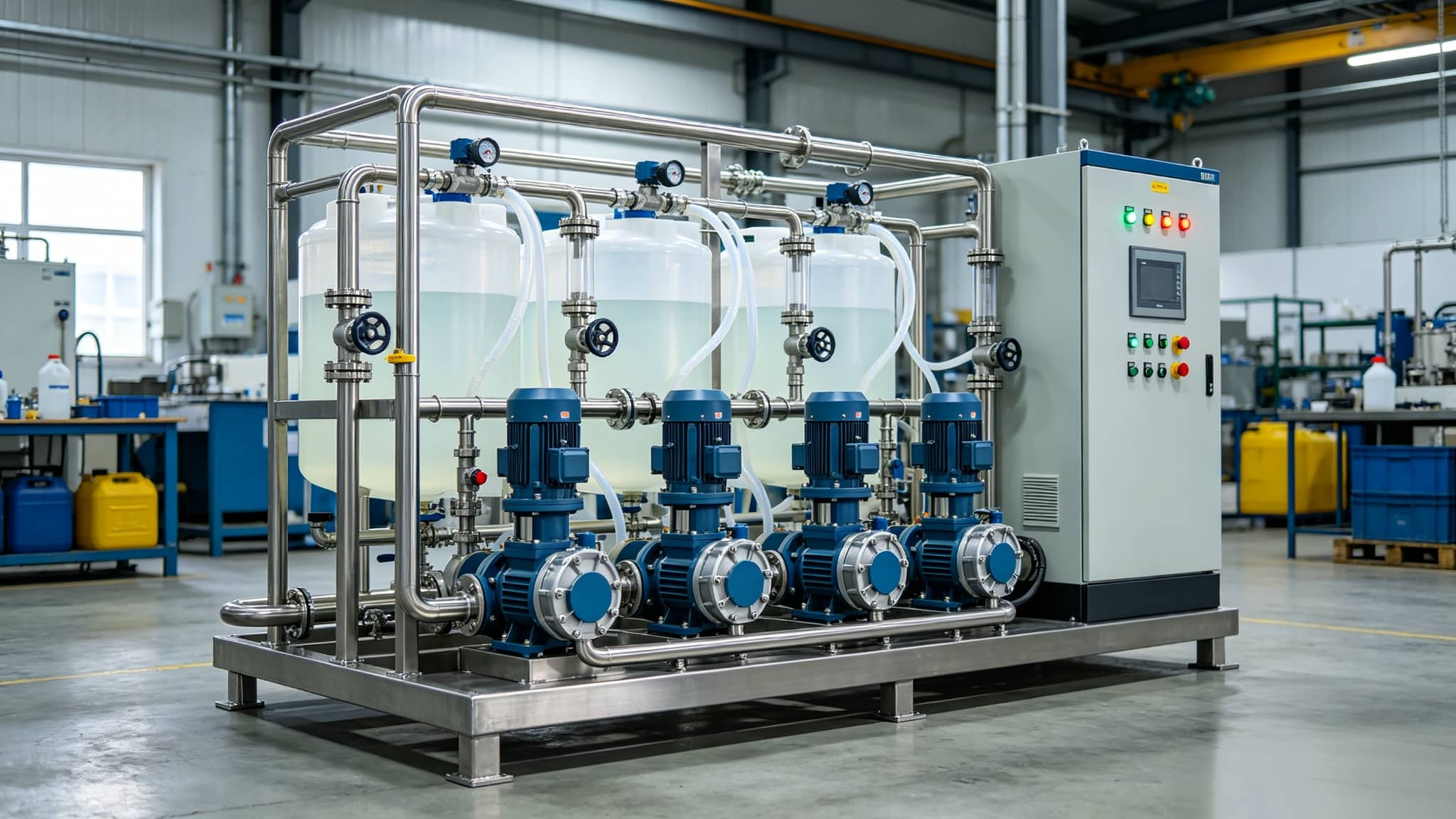
In biopharmaceuticals, fermentation and cell culture represent the upstream core of the entire process chain. Subsequent downstream purification and formulation steps rely heavily on upstream operations to deliver consistent, qualified harvest fluids. The fermentation process itself is a dynamic biochemical reaction system requiring continuous substrate feeding, precise pH and dissolved oxygen (DO) control, and timely discharge of metabolic waste. Fundamentally, these critical operations translate into fluid flow control: the initial volume of culture media, the continuous addition rate of nutrients during the feeding phase, the drip rate of acid/base adjustment fluids, and the discharge flow of waste liquids. The accuracy of flow data directly impacts the substance concentration and cell growth environment within the bioreactor, thereby affecting batch consistency and product yield.
- Engineering Challenges of Fluid Monitoring in Fermentation Processes
In an actual fermentation facility, flow measurement is far from a simple task. Traditional mechanical flow meters, such as turbine or gear meters, typically require their measuring components to be immersed in the fluid, introducing several engineering challenges.
The first is the sterility risk: complex internal gear or rotor structures easily form cleaning dead zones. Incomplete sterilization can introduce microbial contamination between batches.
The second is shear damage: flow-restricting elements generate localized shear stress in the fluid. Biological materials like animal cells are highly shear-sensitive and can suffer from rupture or decreased viability.
The third is limited low-flow performance: in fed-batch or perfusion cultures, nutrient supplementation is often characterized by low flow rates running continuously over long periods. Traditional meters often suffer from signal drift or insufficient sensitivity at low velocities, making them unreliable as feedback for closed-loop control.
- Application Adaptability of Ultrasonic Sensors
Ultrasonic flow sensors based on Transit-Time Method offer an alternative path: the sensor itself does not introduce any components into the pipeline. By measuring the time difference of ultrasonic waves traveling upstream and downstream, it calculates the liquid velocity without causing additional pressure drop or generating significant shear force via mechanical structures. With various sensor configurations, ultrasonic technology can cover diverse tubing conditions in fermentation processes.
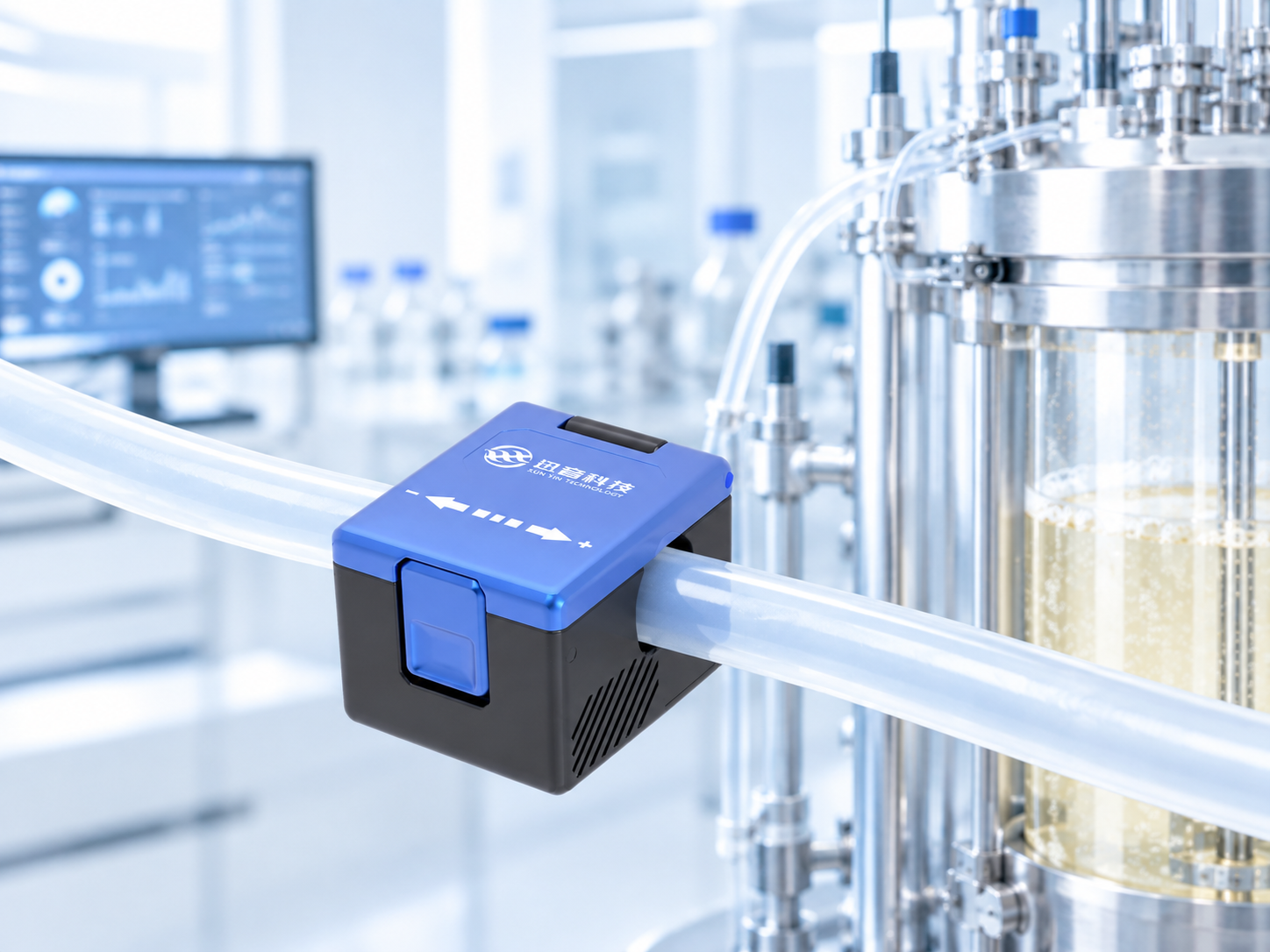
For flexible tubing like silicone, XY-TEK’s CG series clamp-on sensors can be attached directly to the outside of the tube wall to perform measurements without cutting the pipe or adding fittings. This non-invasive installation prevents contact with the drug solution, keeping the closed fluid path and sterile barrier intact, which is especially suitable for Single-Use Bioreactors or Bagged culture medium workflows. The sensor body integrates signal processing circuitry and offers multiple output options, making it convenient to connect to the bioreactor’s existing control system.
When dealing with R&D pilot stages or precise dosing scenarios where flow rates drop to the milliliter level, the TGU series low-flow ultrasonic sensors demonstrate a clear advantage. Unlike standard straight-through designs, the TGU features a unique U-shaped measurement channel. This physical innovation extends the propagation path of the ultrasonic waves in the micro-fluid. As a result, even at extremely low velocities (down to 1 mL/min), it captures time-difference signals with an adequate signal-to-noise ratio. The wetted parts are made of corrosion-resistant materials, ensuring chemical compatibility with culture media, buffers, and acid/base solutions.
If the monitoring point is located on a stainless steel liquid supply main or a filtration harvest system, the TAD series in-line sensors are the more appropriate choice. Constructed entirely of stainless steel, the internal flow channel is smooth and free of dead zones or moving parts, reducing measurement drift caused by mechanical wear over long-term operation. The straight-through design results in minimal pressure drop, which helps reduce the energy consumption of transfer pumps. For continuous fermentation processes running over extended periods, these sensors maintain a high repeatability of ±0.1% F.S., facilitating batch traceability and process modeling.
Bubbles in the fermentation pipeline present another issue requiring attention. Air entering the lines can cause flow reading fluctuations, pump idling, or downstream equipment anomalies. XY-TEK’s BG series bubble sensors utilize a non-invasive design, attaching to the outside of the pipe to detect bubbles or air-liquid mixed states, and output alarm signals upon anomaly detection. In continuous flow paths like feeding or perfusion, this signal can trigger control logic to mitigate the potential risks posed by bubbles promptly.
- Technology Integration Supporting Process Iteration
As the biopharmaceutical industry continuously raises its standards for Process Analytical Technology (PAT) and data integrity, flow sensors should seamlessly integrate into digital frameworks. The entire range of XY-TEK products supports standard industrial communication interfaces like RS485, enabling the real-time transmission of instantaneous flow, totalized volume, and bubble status to SCADA or DCS systems. These process data are utilized not only for real-time monitoring and alarming but also to provide a foundation for building kinetic models and analyzing batch-to-batch consistency.
Overall, selecting ultrasonic flow sensors for fermentation processes is not merely about component replacement; it is a comprehensive decision addressing sterility, low shear stress, low-flow reliability, and data integration. Through the combined application of the CG, TGU, TAD, and BG series, manufacturers can cover a spectrum of needs from micro-feeding to main line monitoring. This approach yields more accurate process information without altering the flow structure, reduces contamination risks and validation burdens, and establishes a solid data foundation for subsequent process optimization and scale-up.
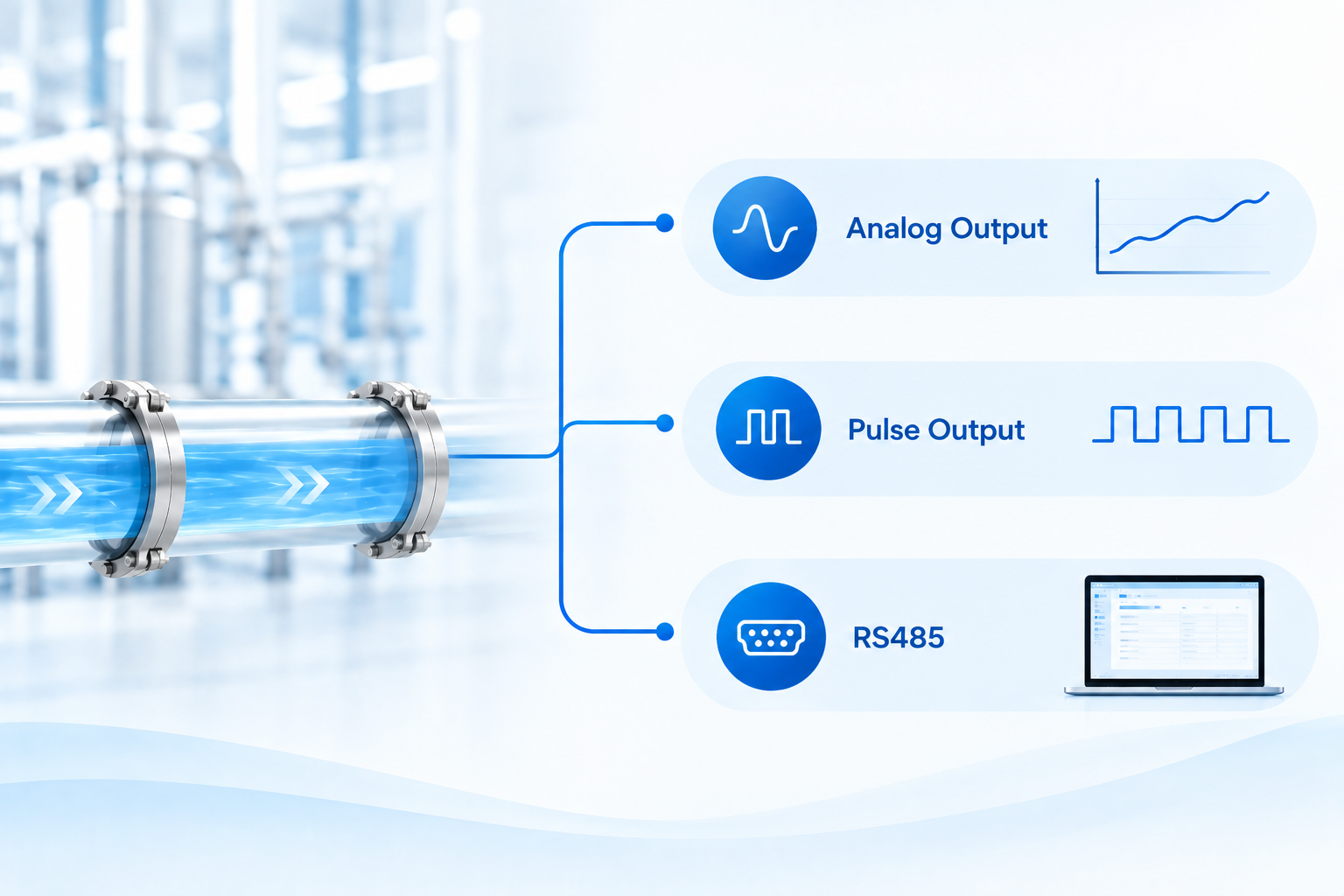
In industrial settings, whether a flow sensor performs well depends not only on measurement accuracy and long-term stability, but also on a frequently underestimated dimension — data output capability. Once a sensor measures flow, the data must ultimately be transmitted to a PLC, DCS, or host computer to participate in …
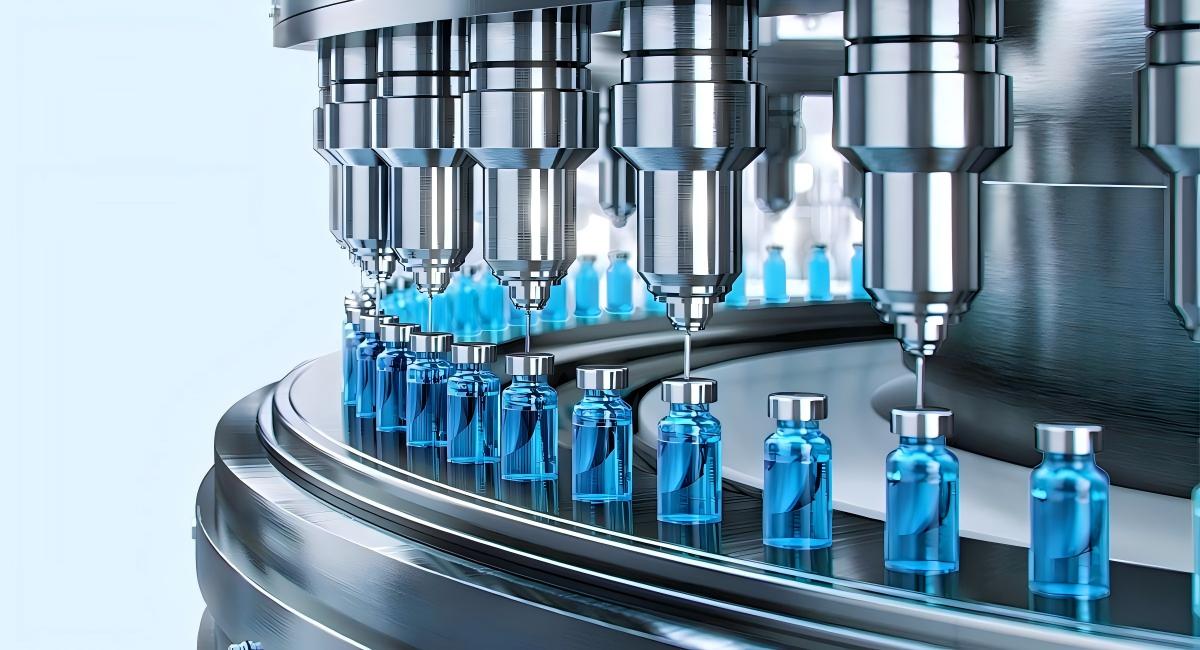
In the long biopharmaceutical manufacturing chain, aseptic filling is often called the “last mile.” For products such as monoclonal antibodies, recombinant proteins, and vaccines, the highly purified drug substance—after upstream processing and downstream purification—must ultimately be dispensed into vials, pre-filled syringes, or cartridges with extreme precision and under sterile conditions.
Blog XY-TEK is a high-tech company specializing in the development, manufacturing, and sales of accurate and reliable ultrasonic flow sensors/flow meters. We specialize in flow rate measurement for small tubing and low flow rates in medical devices, bioprocessing, beverage and drink filling, industry automation, etc. XY-TEK also offers ultrasonic flow …
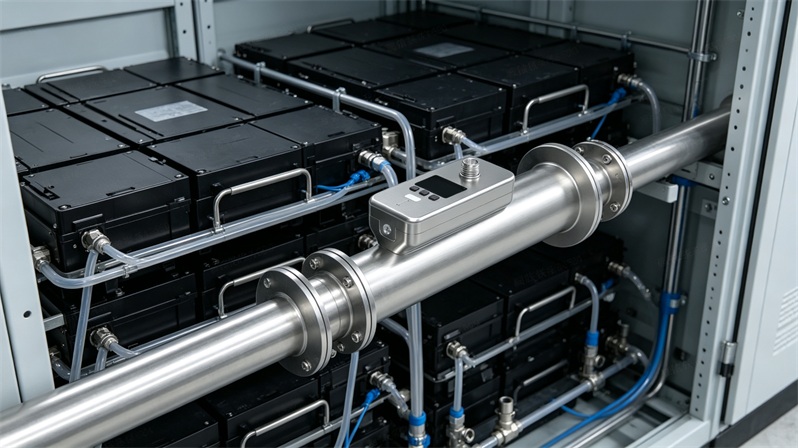
Against the backdrop of the global energy transition towards clean and low-carbon structures, electrochemical Energy Storage Systems (ESS) are experiencing large-scale deployment. As the energy density of individual battery cells and overall systems continues to rise, thermal management during charge and discharge cycles has become a core factor impacting system …