
In the globalized supply chain for semiconductors and industrial automation, the compliance and reliability of core components are the primary benchmarks for system integrators. For engineers tasked with pipeline fluid monitoring, a high-performance sensor must not only demonstrate exceptional precision in a laboratory setting but also maintain stable performance in …
XY-TEK’s CM Series and CG Series are both clamp-on ultrasonic flow sensors. They look similar, share the same transit-time measurement principle, and both support bidirectional flow measurement and bubble detection without contacting the liquid. For engineers unfamiliar with the two product lines, choosing between them is a design decision that requires clarity — what exactly distinguishes the two, and which one is better suited for a specific application? This article compares them from several practical dimensions to provide selection guidance.
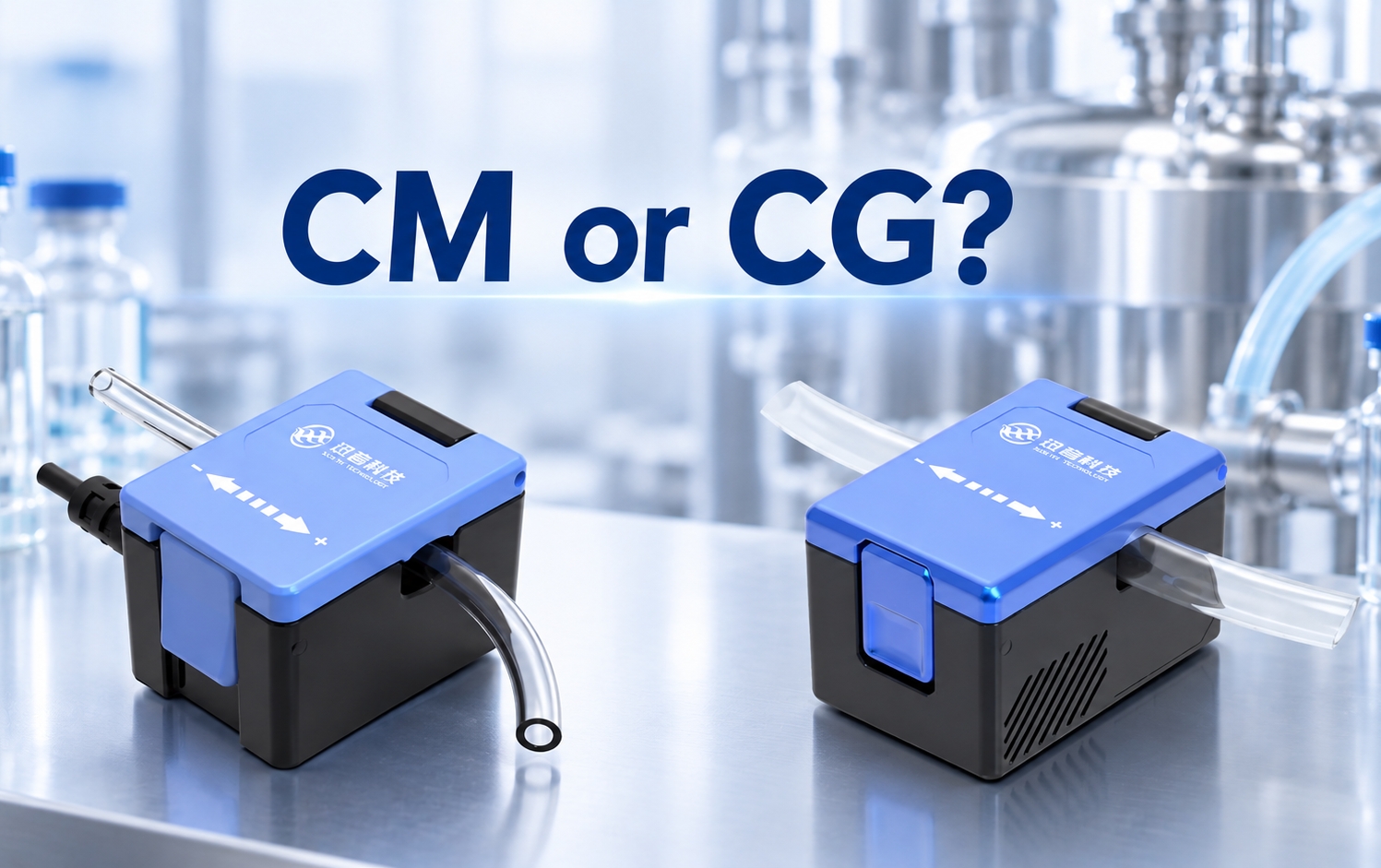
- Output Options: CM Focuses on RS485, CG Covers Multiple Industrial Signals
The most apparent difference between the CM Series and the CG Series lies in signal output configuration. The CM Series provides an RS485 digital interface only, which outputs instantaneous flow rate, totalized flow, bubble status, and related data. RS485 is a mature and reliable digital communication protocol widely used with PLCs, host computers, and microcontrollers, making system integration straightforward.
In addition to RS485, the CG Series offers a wide range of output options, including current output, 0–5V/0–10V voltage output, frequency output, and NPN/PNP/Push-Pull digital outputs. These analog and switching outputs remain the preferred interface type for many industrial systems (particularly legacy PLCs and conventional data acquisition modules).
A broader range of output options means a more complex internal circuit design. The CM Series, by contrast, simplifies its circuitry to focus on a single RS485 channel, which enhances immunity to electromagnetic interference. In applications where the electromagnetic environment is demanding and the host control system supports RS485 (such as medical device integration), the minimalist architecture of the CM Series provides a distinct advantage.
- Flow Range and Tubing Size: CG Covers a Wider Spectrum, CM Focuses on Small Tubing
In terms of standard product specifications, the CM Series includes five models with a maximum flow rate of 12,000 mL/min, accommodating tubing outer diameters up to approximately 14.3 mm (9/16″). This covers the typical small-diameter, low-flow scenarios commonly found in medical devices and biopharmaceutical applications.
The CG Series comprises 13 models, with a maximum flow rate of 100,000 mL/min and support for tubing outer diameters up to 35 mm (1 3/8″). If the application involves larger tubing or flow rates exceeding 12 L/min, the CM Series is out of range and the CG Series should be selected. Conversely, for applications measuring fluids in small tubing such as 4 mm or 6 mm, where flow rates are moderate, the CM Series is a sufficient and more cost-effective option.
- Power Supply: CM Supports Low-Voltage Input, CG Requires 12V Minimum
The CM Series accepts a supply voltage of 5–30 VDC, which is an important advantage. Many portable devices and battery-powered systems operate on a 5V supply, and the CM Series runs reliably within this low-voltage range, significantly reducing the complexity of power supply circuit design.
The CG Series operates over 12–30 VDC. This specification works well in industrial environments where a stable 24V supply is standard. However, for low-voltage portable applications, the CM Series is the more practical choice.
- Product Positioning and Application Scenarios
The CM Series is priced below the CG Series. For medical device applications such as dialysis machines, blood pumps, and feeding pumps — all of which involve small tubing, low flow rates, and RS485-based control systems — the CM Series delivers full functional compliance at a lower cost, with improved interference immunity.
However, for biopharmaceutical or medical applications requiring analog signal outputs to interface with various control units or where flow range exceed the CM Series envelope, the CG Series is the more appropriate solution.
A practical way to start the selection process is to evaluate the control system interface. If the host controller supports RS485 and the application falls within the CM Series flow range, the CM Series is a stable, reliable, and cost-conscious choice. If analog output signals are required, or if the tubing diameter and flow range are larger, the CG Series is the recommended option.
If you are uncertain about which model fits your application, contact XY-TEK directly. Provide your tubing material and size, media type, and flow range, and we will offer a precise selection recommendation tailored to your operating conditions.
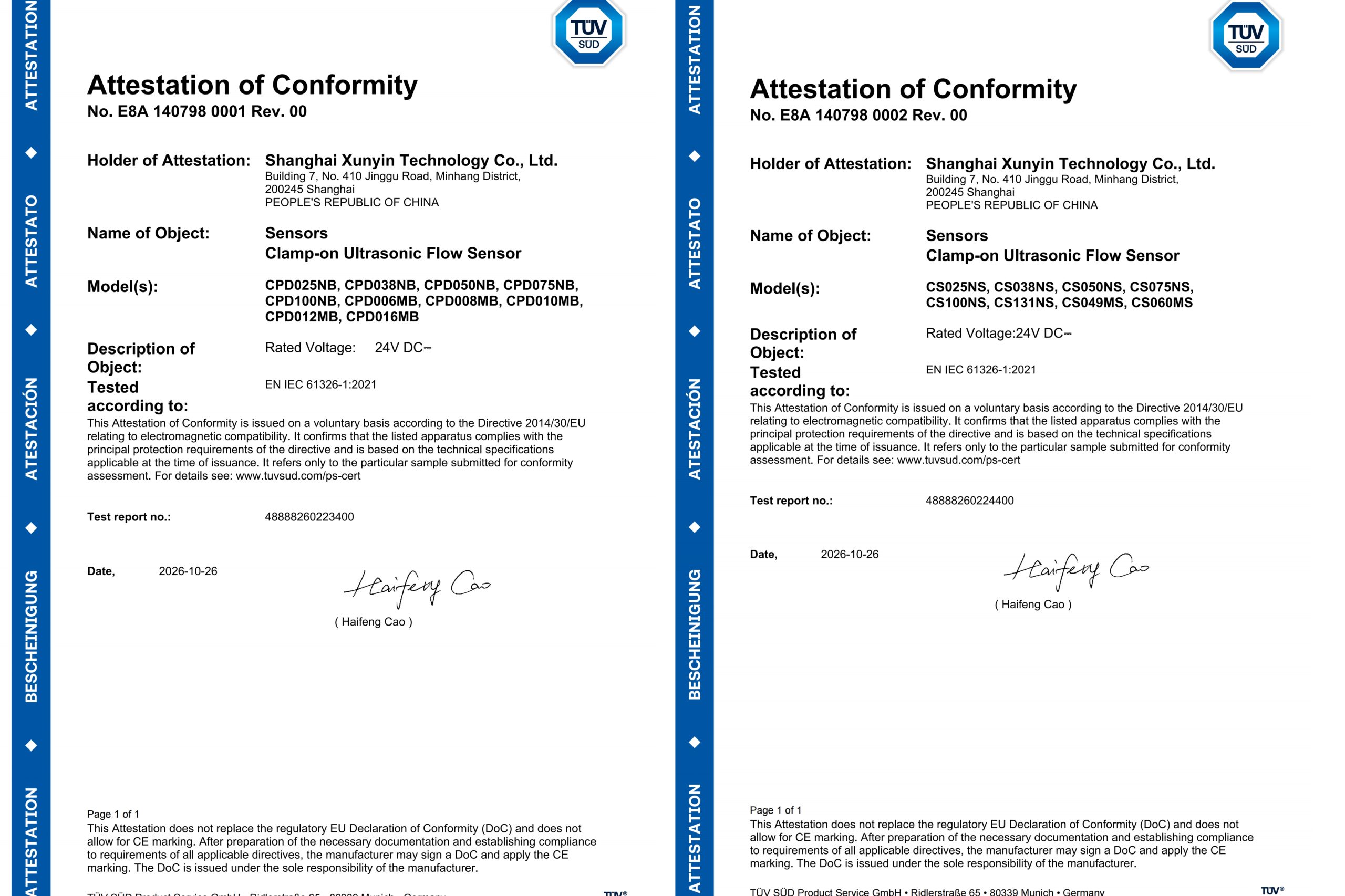
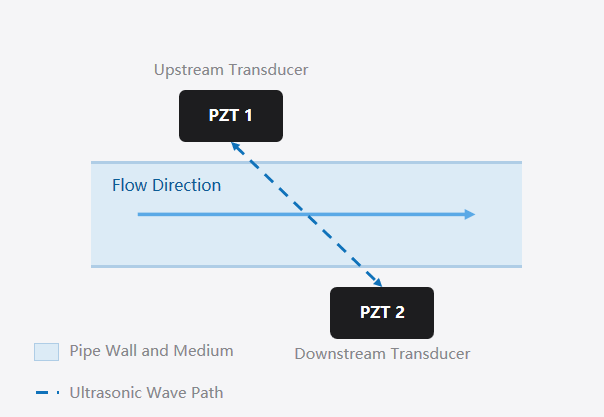
In modern fluid engineering, as processes demand higher levels of sterility, corrosion resistance, and lower maintenance costs, non-invasive sensing technologies have gradually moved from laboratory research to large-scale industrial application. Among various flow measurement approaches, ultrasonic sensing stands out for its favorable physical characteristics. It performs both basic flow metering …
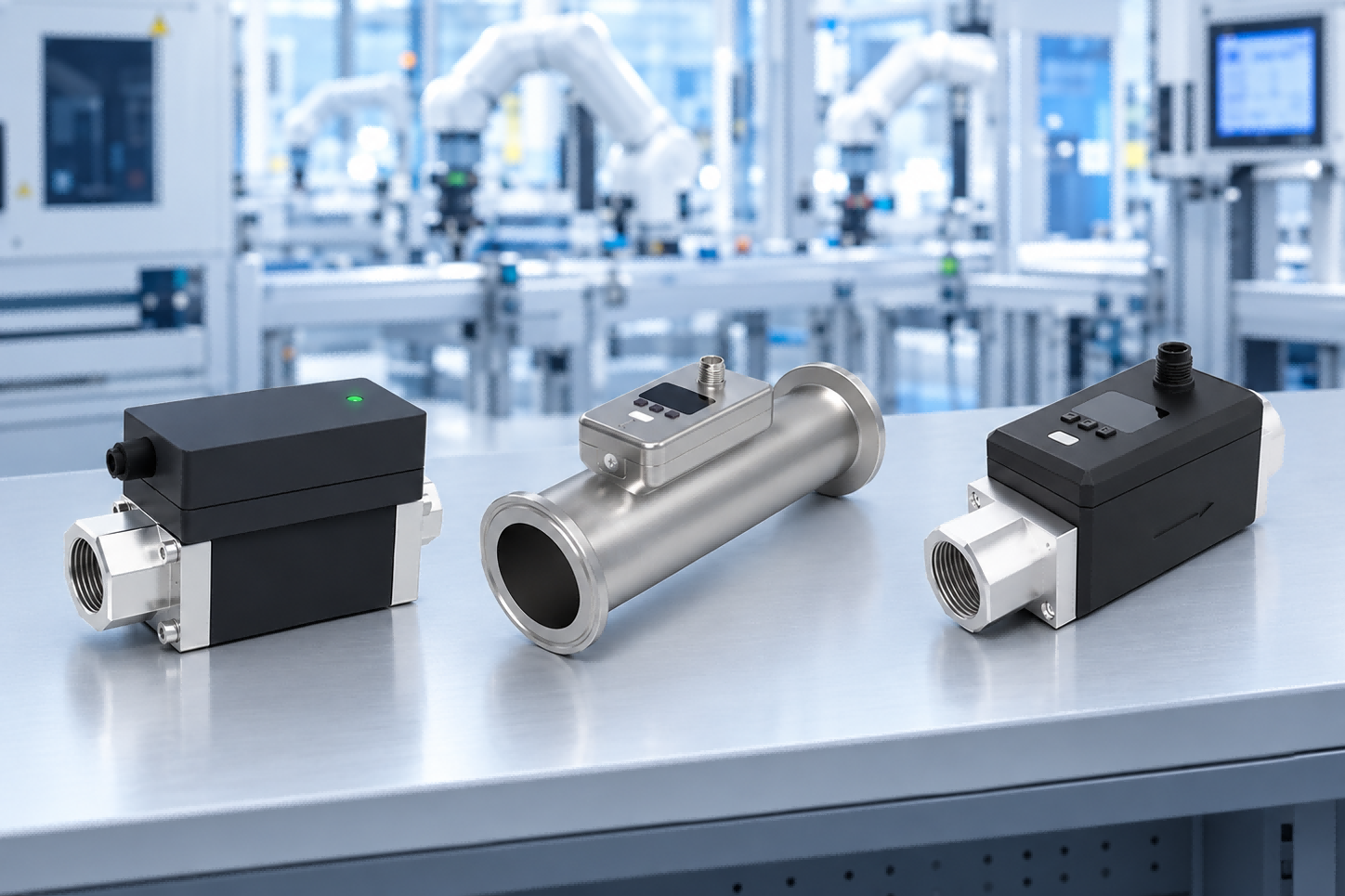
In industrial automation, measurement anomalies often stem not from insufficient sensor precision, but from a mismatch between the initial product selection and actual site conditions. Site constraints—such as pipe materials, installation conditions, and media properties—are the core factors in any evaluation. Without fully assessing these operational boundaries beforehand, even a …
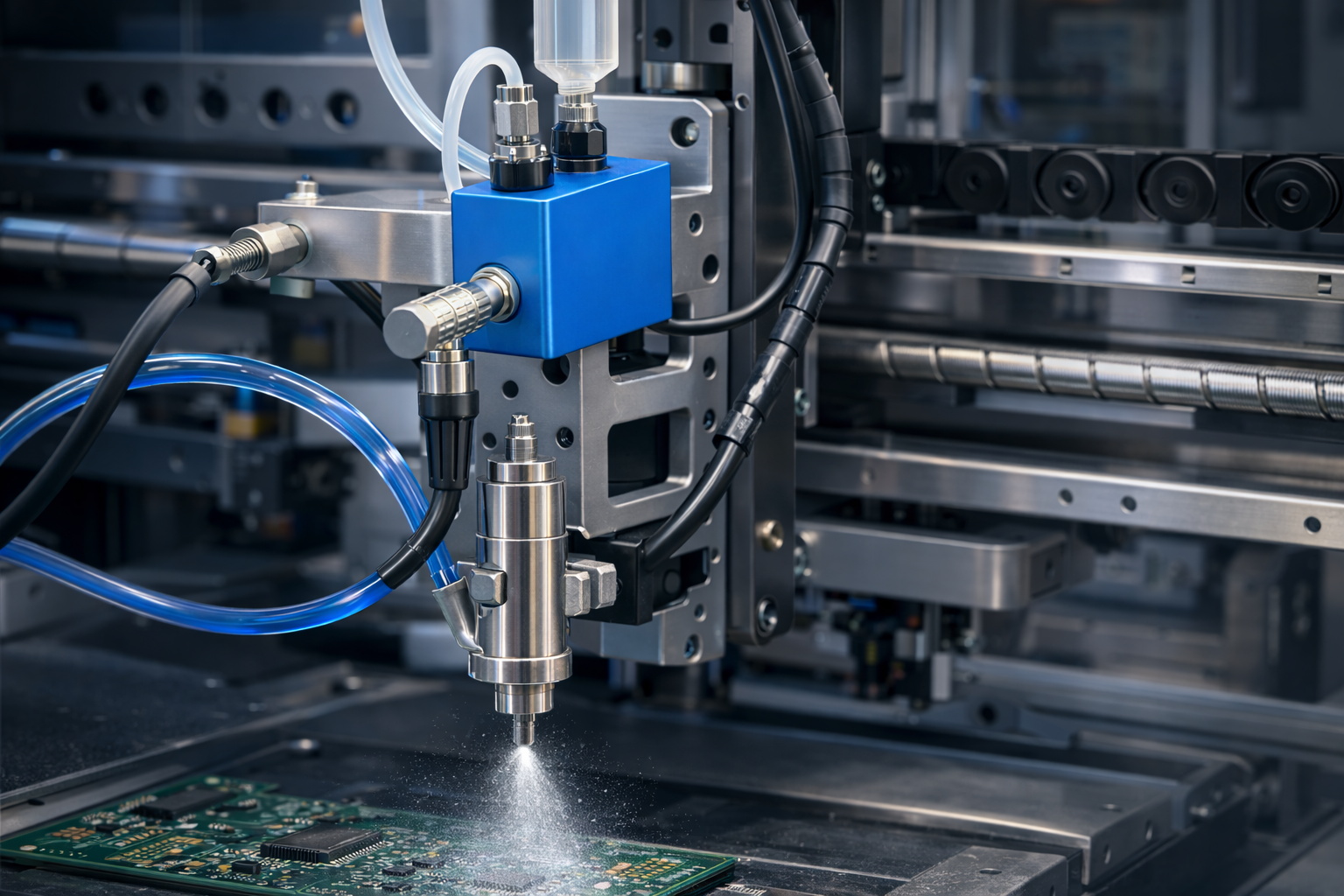
In modern industrial manufacturing and assembly lines, dispensing and fluid distribution may seem like basic processes, yet they are critical to final product quality. From flux spraying in electronics manufacturing and adhesive bonding in medical devices to precision lubrication in automotive components, the performance of fluid dispensing equipment directly affects …